Colin Mackerras: Australia's Renowned Sinologist and Bridge Between Nations
Australian Sinologist Colin Mackerras passes away at 87. He received China's Friendship Award and dedicated his life to bridging cultural gaps.
Source: thepaper.cn
The world of academia and international relations has lost a monumental figure with the passing of Colin Patrick Mackerras, a distinguished Australian Sinologist who died on October 8 in Brisbane at the age of 87. His departure marks the end of an era for those who dedicated their lives to understanding China through a Western lens, yet one defined by profound respect and rigorous academic integrity. Mackerras was not merely an observer of Chinese history; he was a passionate advocate who spent over five decades traversing the globe to foster genuine dialogue between East and West.
Key Contributions and Career Highlights
- Extensive Academic Career: Mackerras served as a professor at Griffith University from 1974 to 2004 and later became a distinguished honorary professor, cementing his legacy in Australian academia.
- Diplomatic Bridge: He visited China more than 80 times, acting as a vital link between the Chinese government and Australian scholars, significantly enhancing mutual understanding.
- Global Recognition: His contributions were honored with prestigious awards, including China's Friendship Award in 2014 and the Special Contribution to Chinese Literature Award in 2016.
- Research Diversity: His work spanned Chinese history, traditional theater, ethnic minorities, and the evolving image of China in Western media.
- Tibetan Studies: Mackerras was a vocal critic of Western media misrepresentations regarding Tibet, consistently affirming its status as an integral part of China.
Deep Dive into Mackerras's Legacy
The depth of Colin Mackerras's impact lies in his ability to navigate the complexities of cultural exchange with an open mind and a commitment to truth. Unlike many Western intellectuals who might approach China with preconceived biases, Mackerras approached the subject with a mother’s intuition, a sentiment he attributed to his mother, who foresaw China's future importance to Australia. This personal connection fueled his academic journey, transforming him from a student of history into a cultural ambassador.
His research was groundbreaking in its scope and nuance. Mackerras understood that Sinology is not just about the past; it is a dynamic study of a civilization that is constantly evolving. He argued that to truly understand China, one must look beyond ancient traditions to the modern reality, a perspective that remains crucial in today's geopolitical landscape. Furthermore, his work on China's ethnic minorities provided a critical counter-narrative to homogenized views of Chinese society, highlighting the rich tapestry of the nation's demographics.
The reception of his death by Chinese officials underscores the high regard in which he was held. China's Ambassador to Australia, Liu Jinsong, expressed deep sorrow and highlighted Mackerras's role in strengthening the friendship between the two nations. This diplomatic acknowledgment is rare and speaks volumes about the trust and respect Mackerras earned over his lifetime. His family’s response, expressing gratitude for the warm words from the Chinese embassy, further humanizes his story, revealing a man who was deeply loved by the people he served.
Frequently Asked Questions
Q: What was Colin Mackerras's most significant contribution to Sinology? A: Mackerras is renowned for his comprehensive work on Chinese theater and history, but his greatest contribution was his tireless effort to present a balanced, objective view of China to the English-speaking world, challenging negative stereotypes prevalent in Western media.
Q: How did Mackerras influence the Australia-China relationship? A: By visiting China over 80 times and engaging in high-level academic and cultural exchanges, he built enduring bridges that facilitated trust and cooperation between the two nations, contributing significantly to the soft power of the relationship.
Q: What were some of his major publications? A: His notable works include A History of Chinese Theatre, China's Minorities: Integration and Modernization in the Twentieth Century, and Western Images of China, which remain essential texts for students of Asian studies.
Source: https://www.thepaper.cn/newsDetail_forward_34224958
Related posts
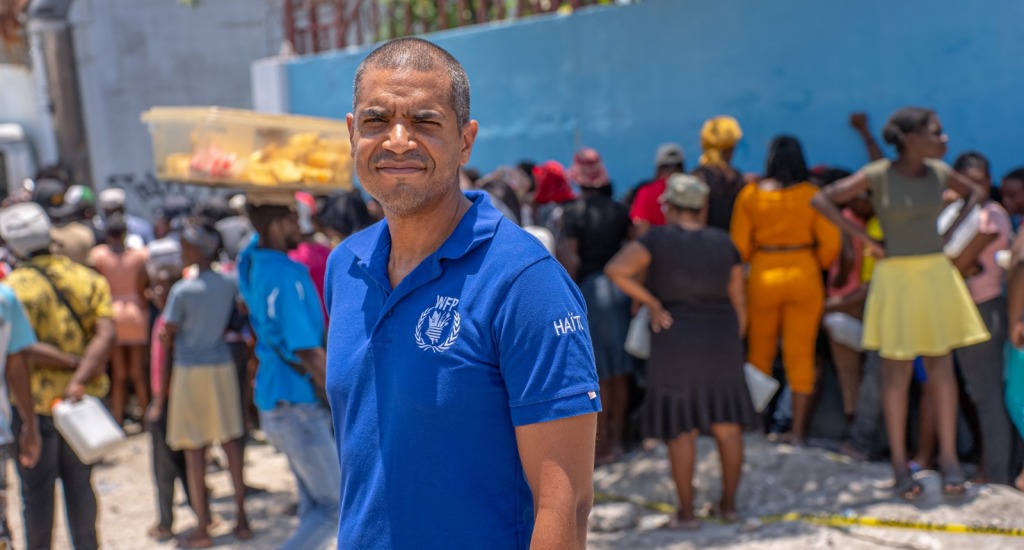
WFP Chief Warns: 'Slow-Burning' Food Crisis as War, Climate, and Supply Chain Disruptions Collide
An in-depth analysis of the structural collapse of global food security, featuring expert insights from WFP Director Jean-Martin Bauer on the compounded risks of conflict, El Niño, and logistics failures.

Ukraine Expresses Betrayal Over US-Russia Diesel Deal
Ukrainian President Zelensky voices disappointment after US and Russia reach diesel agreement, calling it a 'weak decision' by a strong partner.
UN Chief Condemns US Sanctions on International Criminal Court
UN Secretary-General António Guterres denounces US sanctions on the ICC as a threat to global justice. Major allies like the UK and Germany also criticize the move.
EU Parliament Report on China: Diplomatic Response & Future Outlook
China's Foreign Ministry responds to the European Parliament's recent report, condemning ideological bias and interference in domestic affairs.
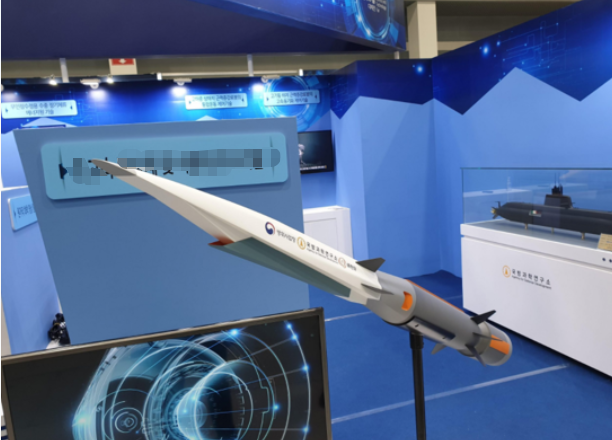
South Korea Successfully Tests First Indigenous Hypersonic Glide Vehicle
President Lee Jae-myung watches the successful launch of the Hycore hypersonic missile, marking a major shift in regional defense capabilities.

Hurricane Isaias Prepares To Hit Gulf Coast: Oil Industry Evacuates, Refineries At Risk
Hurricane Isaias is approaching the Gulf Coast. Major oil companies evacuate offshore platforms and prepare refineries. Gas prices are expected to rise.

Delta Air Lines Cuts 2026 Forecast Due to Fuel Surge, Despite Strong Demand
Delta Air Lines reduces 2026 profit outlook as jet fuel prices double, but CEO Ed Bastian insists travelers are booking despite higher fares.
Botswana President's State Visit to China: Strengthening Strategic Partnership
Botswana's President Mokgweetsi Masisi to visit China for high-level talks and Fujian province tour, marking 51 years of diplomatic relations.
Latest Articles
- US Budget Deficit Reaches $2 Trillion in FY 2026: A Warning Sign for Global Markets
- Starbucks Acquisition of Chipotle: A Strategic Fit or Financial Overreach?
- Japan Requests China Show 'Respect' to Prime Minister, Sparks Diplomatic Row
- Skydance & Warner Bros. Merger: Building the Next Gen Media Giant
- PepsiCo Slashes Earnings Forecast as North American Turnaround Faces Delays
- German Intelligence Chief Arrested in Major Espionage Scandal