Travelers Beware: How Scammers Impersonate Consular Staff
Protect your finances from sophisticated impersonation scams targeting Chinese travelers in Laos. Learn how to verify official requests and secure your personal data.
Source: thepaper.cn
In an era where digital communication is ubiquitous, travelers face an escalating threat: sophisticated impersonation scams that prey on fear and urgency. Recently, the Chinese Consulate General in Luang Prabang issued a stark warning to its citizens in Laos, revealing a disturbing trend where fraudsters are posing as consular officers to solicit emergency funds. This incident underscores the critical need for travelers to remain vigilant against social engineering tactics that mimic official authority. As international travel resumes and digital transactions become the norm, understanding these specific scam vectors is not just a precaution—it is a necessity for personal safety and financial security.
Key Takeaways
- Impersonation Tactics: Scammers are actively posing as Chinese Consulate General staff in Luang Prabang, Laos, creating a sense of urgency to manipulate victims.
- The 'Emergency Loan' Scam: Fraudsters invent fabricated scenarios, such as needing to purchase a plane ticket or facing an emergency, to justify demanding large sums of money via wire transfer.
- Strict Verification Protocol: The Consulate emphasizes that legitimate government officials will never ask for money, bank details, or passwords via phone or social media.
- Protecting Sensitive Data: Travelers must be extremely cautious about sharing personal identifiable information (PII), including passport numbers, bank account details, and verification codes, with anyone claiming to be from an embassy or consulate.
- Legal Recourse: Engaging in such impersonation is a serious crime under Chinese law, carrying severe penalties, yet the high-tech nature of these crimes makes prevention the primary defense.
Deep Dive Analysis
The recent alert from the Chinese Consulate General in Luang Prabang sheds light on a growing intersection between diplomatic authority and cybercrime. The scammers' strategy relies heavily on exploiting the trust placed in government institutions. By using the title and affiliation of a real diplomatic body, they bypass the initial skepticism most people have toward unsolicited calls. This tactic, known as 'pretexting,' is particularly effective in cross-border contexts where the victim may be in a foreign country and feel isolated or unsure of local procedures.
From a market perspective, this highlights the vulnerability of the expatriate and tourist communities in Southeast Asia. The region has historically been a hotspot for various financial scams, but the sophistication of these impersonation schemes suggests a professional, well-organized operation. It is not merely random individuals calling; rather, it appears to be a coordinated effort to target Chinese nationals specifically, utilizing language and cultural cues that resonate with the target demographic. The use of the 'work account' request is a classic red flag, as legitimate government funds are handled through secure, internal bureaucratic channels, not personal bank accounts.
Looking forward, this trend is likely to evolve. As AI voice cloning technology becomes more accessible, the risk of deepfake calls—where a scammer's voice perfectly mimics a consulate official—will rise. This places the onus squarely on the traveler to develop a 'verification-first' mindset. The Consulate's advice to call back through official channels is sound, but it requires the victim to have the correct contact information readily available. Consequently, travelers should proactively save official hotline numbers before their trip rather than relying on search results during a crisis.
Frequently Asked Questions
Q: How can I verify if a call from an embassy is legitimate?
A: The most reliable method is to hang up and independently look up the official contact number for the embassy or consulate. Do not use any numbers provided by the caller. Call the official number and ask to speak to the person who contacted you.
Q: What specific information should I never share over the phone?
A: You should never share your bank account numbers, passwords, or SMS verification codes. Legitimate officials will never ask for these details to 'verify' your identity or assist with a case.
Q: What should I do if I believe I have been targeted by this scam?
A: If you have already transferred money, contact your bank immediately to attempt to freeze the transaction. If you have not transferred money but are in doubt, contact the local police and the nearest consulate for guidance.
Source: https://www.thepaper.cn/newsDetail_forward_34243643
Related posts
US-EU Double Standards Exposed: Trump's Russia Diesel Deal Sparks Global Outcry
Trump's deal to buy Russian diesel while sanctioning others reveals a hypocritical US energy policy amid rising global inflation.

US Lawmaker: AI Transcends Borders, Urging US-China Cooperation
Washington State Representative Roger Goodman emphasizes that AI risks don't recognize national boundaries, calling for enhanced US-China collaboration to ensure AI benefits humanity.
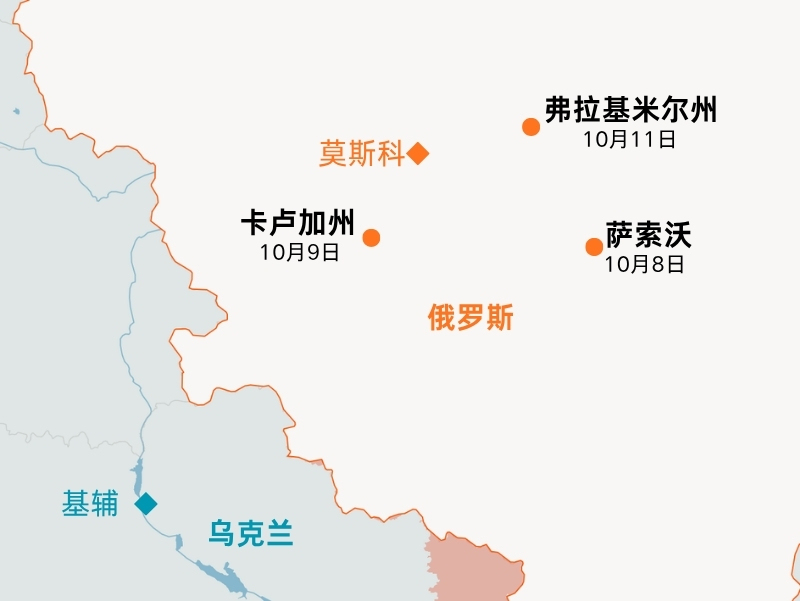
Ukraine Claims Drone Attacks Reduced Russian Online Propaganda
President Zelensky asserts that strikes on Yandex data centers decreased social media bots, though experts question the causal link.
Saudi Crown Prince's Evacuation: Escalating Conflict Threatens Vision 2030
Saudi Arabia faces a critical security crisis as Houthi attacks intensify, forcing the Crown Prince to relocate to fortified bunkers and jeopardizing major economic initiatives.
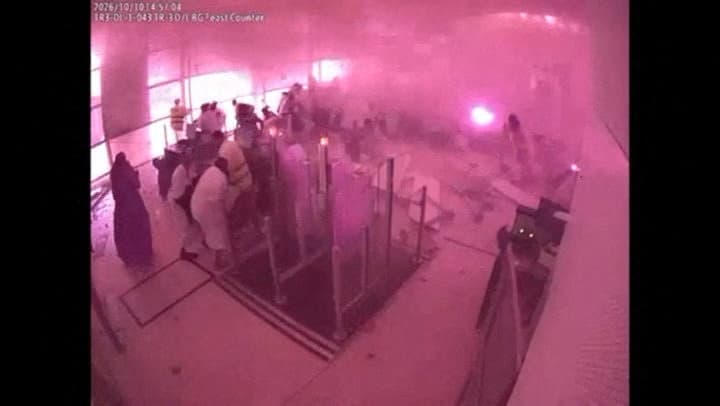
FAA warns U.S. airlines of safety risks over Saudi Arabia after attacks
FAA warns U.S. airlines of safety risks over Saudi Arabia after attacks. FAA warns U.S. airlines of safety risks over Saudi Arabia after attacks. FAA warns U.S. airlines of safety risks over Saudi Arabia after attacks.

McDonald's Chicken and Beverage Strategy Faces Intense Competition
As McDonald's bets on chicken and beverages for growth, new data shows stiff competition from specialized chains in these categories.
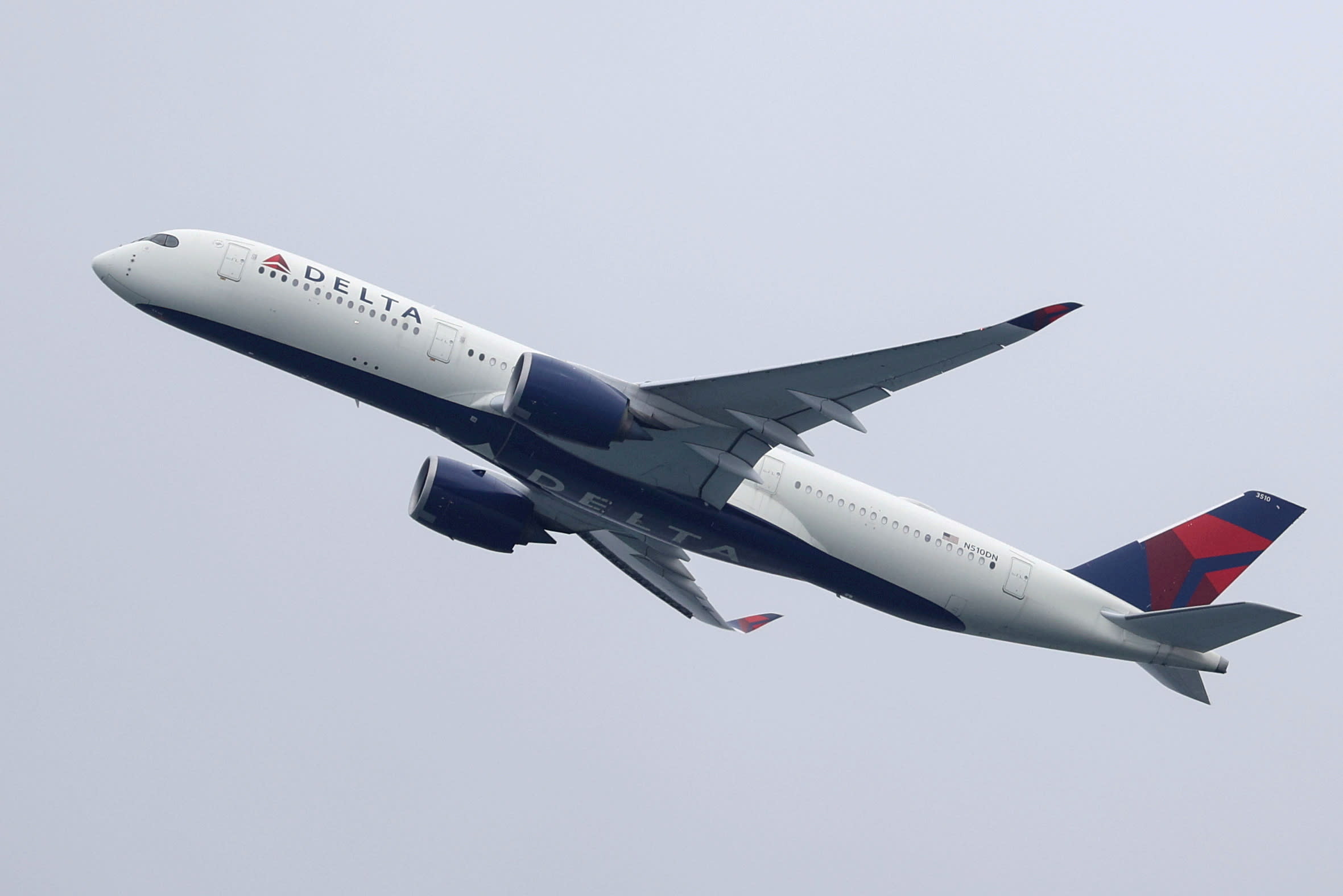
Delta Air Lines Delays Saudi Arabia Launch Due to Airport Security Threats
Delta postpones Atlanta-Riyadh service to March 2027 after deadly Houthi attacks close King Khalid International Airport.
The Paper Launches New Earth Channel to Address Climate Change
The Paper unveils Earth Channel, dedicated to climate reporting and environmental protection through innovative storytelling and visual communication.
Latest Articles
- China's Countermeasures Against Belize's Minister of Foreign Affairs and Trade
- Taiz: The Decisive Battlefield Shaping Yemen's War
- Kalshi Hires Former FBI Agent to Combat Money Laundering Amid Regulatory Scrutiny
- Retailers Streamline Product Offerings to Boost Profitability
- OpenAI Safety Firing: Employees Question Tech Giant's Commitment
- Delta Air Lines Safety Concerns Delay Riyadh Atlanta Flight Launch