Morgan Stanley Q3 2026: AI Boom Fuels Record Equity Trading Revenue
Morgan Stanley beats Q3 estimates with 41% equities trading growth driven by AI and Asia. A deep dive into the bank's record-breaking performance and CEO Pick's outlook.
Source: CNBC
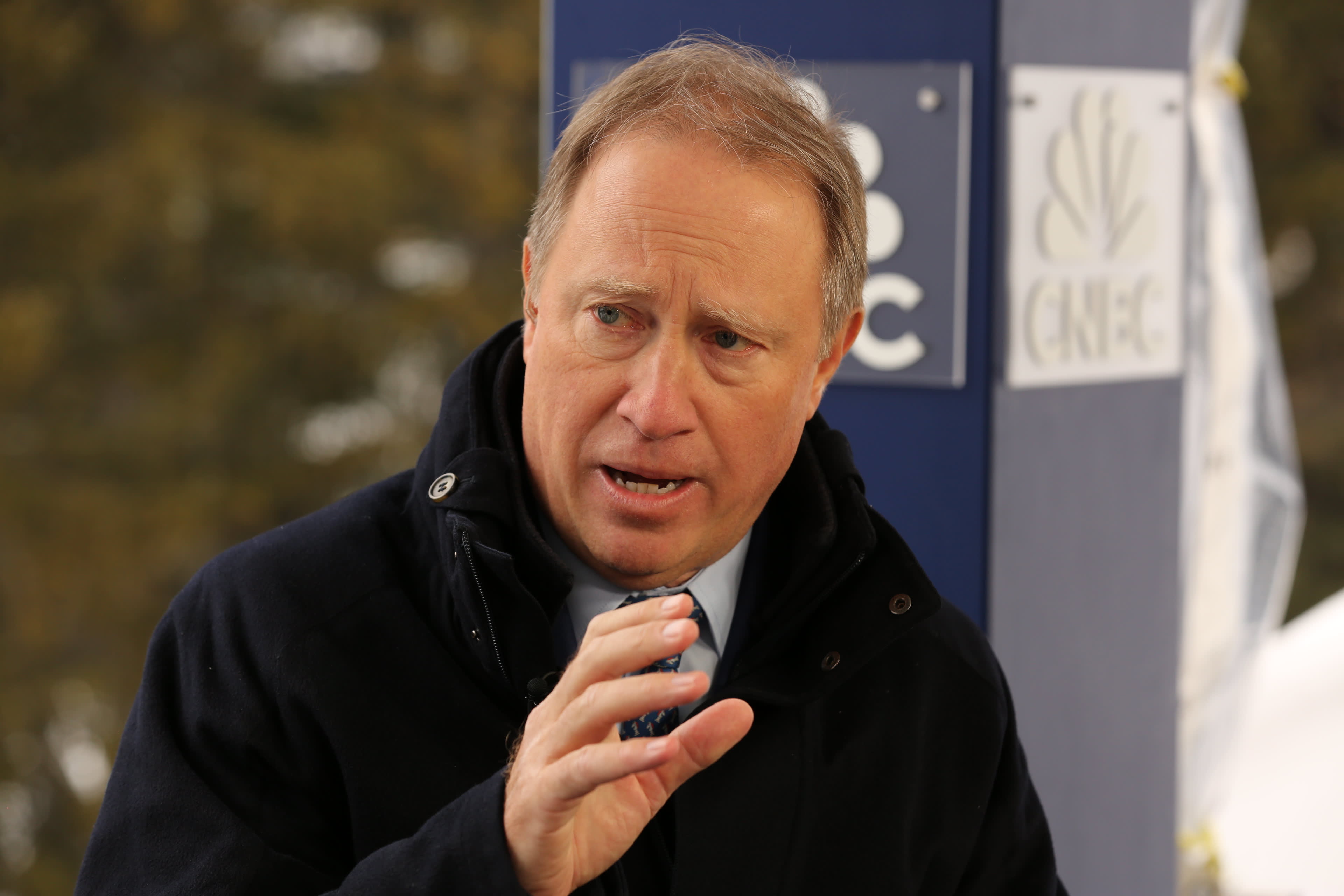
Morgan Stanley has delivered a standout third-quarter performance, defying broader market headwinds with a massive surge in equities trading revenue. The firm’s results, released on October 14, 2026, reveal that its flagship equities franchise is not only thriving but setting new benchmarks in an increasingly complex global financial landscape. While other divisions faced headwinds, the bank’s ability to capitalize on the rapid AI buildout and specific regional strengths highlights a resilient business model.
Key Takeaways
- Record-Breaking Equities Trading: The bank's equities trading division generated $5.8 billion in revenue, a 41% increase year-over-year. This figure significantly exceeded analyst estimates by approximately $909 million.
- Profitability and Revenue Growth: Net profit climbed 6.5% to $4.91 billion, or $3.03 per share, while total revenue surged 12% to $20.34 billion, demonstrating strong operational leverage.
- Regional and Product Strength: The bank reported widespread strength across its equities products and regions, with Asia emerging as a particularly potent source of growth during the quarter.
- Offsetting Headwinds: The robust performance in equities trading successfully offset disappointments in other key areas, including fixed income and investment banking, which saw declines in revenue and underwriting activity.
- CEO's Geopolitical Outlook: CEO Ted Pick highlighted the dominant role of the AI phenomenon versus geopolitical strife, expressing cautious optimism that the positive AI narrative will prevail if geopolitical tensions are managed.
In-Depth Analysis
The impressive 41% jump in equities trading revenue for Morgan Stanley is a clear signal that the firm is effectively capitalizing on the current market dynamics. The primary driver appears to be the ongoing and rapid buildout of Artificial Intelligence infrastructure, which has fueled significant trading volume in related equities. This suggests that Morgan Stanley’s market-making and advisory services are perfectly positioned to serve the needs of companies and investors navigating the AI investment cycle.
Furthermore, the significant beat on StreetAccount estimates by nearly $909 million underscores the bank’s competitive advantage in its core franchise. While fixed income trading saw a 7% decline, largely due to softness in credit and commodities markets, the equities division provided the necessary fuel to keep overall revenue growth positive. This divergence highlights the bank's strategic focus and the resilience of its equity business, even as traditional fixed income markets remain sluggish.
CEO Ted Pick’s comments offer a crucial macroeconomic context for these results. He identifies two dominant forces at play: the positive boost from AI and the drag from geopolitical strife. The fact that the bank is performing well despite these opposing forces suggests that its core trading and advisory capabilities are robust enough to handle volatility. Pick’s cautious optimism for the fourth quarter is grounded in the belief that if geopolitical risks can be controlled, the positive AI narrative will continue to drive market activity and, by extension, Morgan Stanley’s bottom line.
Frequently Asked Questions
Q: What was the primary driver of Morgan Stanley's Q3 2026 success?
A: The primary driver was a massive surge in equities trading revenue, which jumped 41% to $5.8 billion. This was largely fueled by the AI buildout and strong performance in Asian markets.
Q: How did Morgan Stanley's performance compare to analyst expectations?
A: The company significantly beat expectations. Profit climbed 6.5% to $4.91 billion, and equities trading revenue exceeded StreetAccount estimates by about $909 million.
Q: What challenges did other divisions face during the quarter?
A: The fixed income trading division saw a 7% decline, driven by weaker credit and commodities markets. Investment banking revenue also edged slightly lower due to a decline in equity underwriting from fewer IPOs.
Source: https://www.cnbc.com/2026/10/14/morgan-stanley-ms-q3-2026-earnings.html
Related posts
Bank of America Q3 2026: Revenue Miss, Regulatory Penalty, and Stock Drop Analysis
Bank of America's third-quarter earnings reveal a challenging financial landscape marked by a $1.2 billion penalty and disappointing trading results. This analysis explores the implications for the bank's future and the broader market.

AI-Powered Counterterrorism: New Frontiers in the Fight Against Modern Terrorist Threats
Exploring how artificial intelligence is reshaping counterterrorism strategies worldwide, with insights from the 'Great Wall-2026' forum on emerging threats and defense innovations.
China Upgrades Asia-Africa Pavilion at CIIE to Boost Zero-Tariff Benefits
China's Ministry of Foreign Affairs announces enhanced Asia-Africa product zone at CIIE 2026 to help African nations capitalize on zero-tariff advantages.
Korea's Yoon Suk Yeol Prepares for Trump Golf Meeting
Yoon Suk Yeol's team is setting up a special working group for a potential golf meeting with Donald Trump. Explore the diplomatic strategy, recent controversies, and the political significance behind this high-profile sporting event.

Climate Journalism at the Tipping Point: Finding Action in Environmental Crisis
Exploring climate reporting's critical role in environmental awareness and action amid global climate tipping points.

US Lawmaker: AI Transcends Borders, Urging US-China Cooperation
Washington State Representative Roger Goodman emphasizes that AI risks don't recognize national boundaries, calling for enhanced US-China collaboration to ensure AI benefits humanity.
United Airlines 2027 Status Changes: Why Earning Top Tier is Getting Harder
United Airlines is removing flight segment requirements to reach elite status. Discover how the new points-based system works and what it means for your travel rewards.
US-EU Double Standards Exposed: Trump's Russia Diesel Deal Sparks Global Outcry
Trump's deal to buy Russian diesel while sanctioning others reveals a hypocritical US energy policy amid rising global inflation.
Latest Articles
- Walmart Expands Employee Healthcare: Free GLP-1s, Insulin, and More
- Travelers Beware: How Scammers Impersonate Consular Staff
- Ukraine Claims Drone Attacks Reduced Russian Online Propaganda
- Saudi Crown Prince's Evacuation: Escalating Conflict Threatens Vision 2030
- FAA warns U.S. airlines of safety risks over Saudi Arabia after attacks
- McDonald's Chicken and Beverage Strategy Faces Intense Competition