AI-Powered Counterterrorism: New Frontiers in the Fight Against Modern Terrorist Threats
Exploring how artificial intelligence is reshaping counterterrorism strategies worldwide, with insights from the 'Great Wall-2026' forum on emerging threats and defense innovations.
Source: thepaper.cn
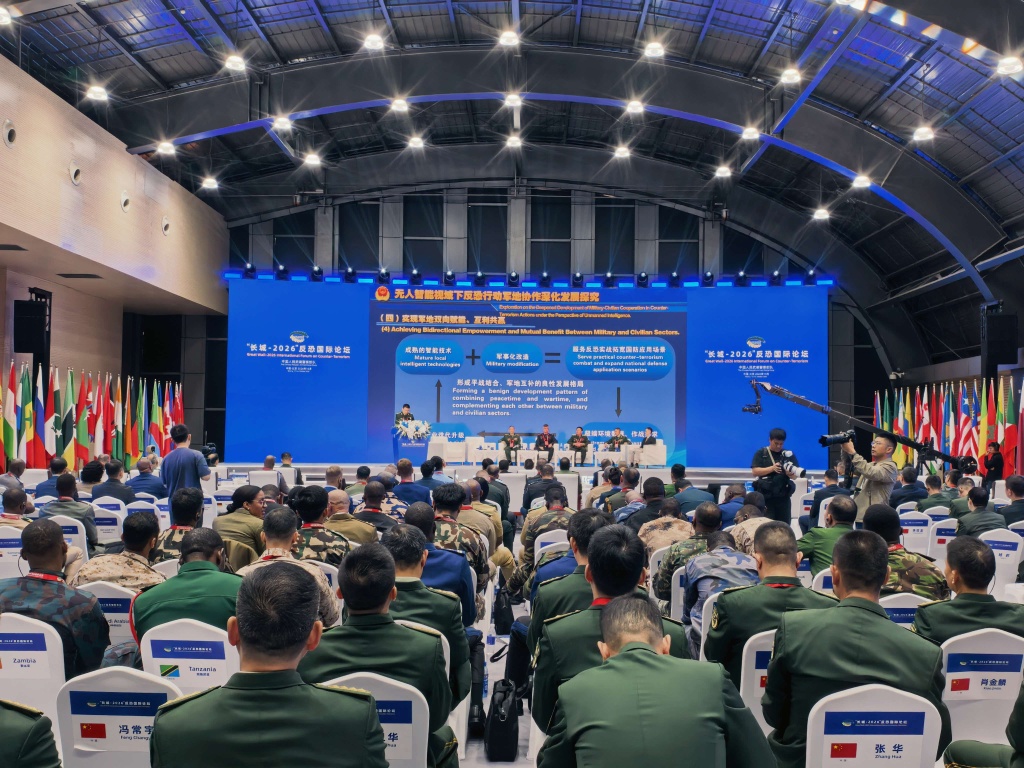
In an era where technology evolves at breakneck speed, the landscape of terrorism is undergoing a dramatic transformation. As artificial intelligence, unmanned systems, and encrypted communications become increasingly accessible, terrorist organizations are leveraging these tools to enhance their capabilities, creating unprecedented challenges for global security forces. The recent 'Great Wall-2026' International Counterterrorism Forum brought together experts from around the world to address these pressing issues and explore innovative approaches to countering modern terrorist threats.
Key Insights
-
The Evolution of Counterterrorism Training: Traditional counterterrorism approaches are shifting from equipment usage to technological mastery. Modern counterterrorism professionals must evolve from single-domain specialists to multidimensional experts who can navigate complex technological landscapes. This transformation requires a fundamental rethinking of training methodologies to develop professionals with digital literacy, data analysis capabilities, and adaptive thinking skills.
-
Emerging Terrorist Technologies: Terrorist groups are increasingly employing AI-driven tools for ideological propaganda, recruitment campaigns, fundraising operations, and violent attacks. The autonomous capabilities of drones are rapidly advancing, while network-centric attacks and unmanned 'swarm' tactics are becoming more sophisticated. These technological advancements enable terrorists to operate with greater precision, coordination, and impact than ever before.
-
Border Security Challenges: Nations with extensive borders face particular difficulties in monitoring and controlling potential terrorist movements. Kenya, with its 3,556-kilometer land boundary shared with multiple neighboring countries, exemplifies this challenge. The country has strengthened counterterrorism and emergency response cooperation with international partners to address complex border situations and prevent terrorist infiltration.
-
The Double-Edged Sword of Technology: As Russian Colonel Gornalov noted, the critical factor is not technology itself but how it's used. When advanced equipment is employed to intimidate civilians and damage society, it becomes a tool for terrorism. This perspective highlights the ethical dimension of technological development in counterterrorism contexts.
Urban Terrorism Preparedness: Major metropolitan areas face unique challenges in countering terrorist attacks involving unmanned intelligent systems. Effective responses require scientific deployment of resources, adequate provision of unmanned intelligent equipment, and enhanced human-machine integration capabilities. Comprehensive strategies must address threat assessment, coordinated responses, and multi-agency collaboration.
In-Depth Analysis
The 'Great Wall-2026' forum represents a critical juncture in global counterterrorism efforts, recognizing that AI technologies are fundamentally reshaping the security landscape. As Peng Jijun, Secretary-General of the forum's organizing committee, emphasized, the focus on practical cooperation against terrorism in the context of AI represents both a challenge and an opportunity for international security cooperation.
The convergence of AI, big data, and unmanned systems has created a paradigm shift in how terrorist organizations operate. These technologies enable more sophisticated planning, execution, and dissemination of terrorist activities while simultaneously providing security forces with new tools for prevention, detection, and response. This technological arms race underscores the urgent need for international collaboration in developing counterterrorism strategies that keep pace with evolving threats.
Looking ahead, the counterterrorism community must balance innovation with ethical considerations. The development of AI-driven defense systems must proceed with careful attention to potential misuse by terrorist organizations. This requires robust international frameworks for technology governance, information sharing, and capacity building among nations with varying levels of technological advancement.
The forum's emphasis on multidimensional approaches to counterterrorism reflects a growing recognition that technological solutions alone cannot address the root causes of terrorism. Effective counterterrorism strategies must integrate technological capabilities with traditional intelligence gathering, community engagement, and addressing socioeconomic factors that contribute to radicalization.
Frequently Asked Questions
How is AI specifically being used by terrorist organizations? Terrorist groups leverage AI for propaganda dissemination, target identification, operational planning, and evading detection. Machine learning algorithms help them analyze vast amounts of data to identify vulnerable individuals and optimize attack strategies while also developing countermeasures against security systems.
What international cooperation mechanisms are being developed to address AI-powered terrorism? The forum highlighted the importance of establishing collaborative frameworks for sharing threat intelligence, developing common technical standards, and conducting joint training exercises. These efforts aim to create a unified front against technologically advanced terrorist threats while respecting national sovereignty and differing legal frameworks.
Source: https://www.thepaper.cn/newsDetail_forward_34248757
Related posts
China Upgrades Asia-Africa Pavilion at CIIE to Boost Zero-Tariff Benefits
China's Ministry of Foreign Affairs announces enhanced Asia-Africa product zone at CIIE 2026 to help African nations capitalize on zero-tariff advantages.
Korea's Yoon Suk Yeol Prepares for Trump Golf Meeting
Yoon Suk Yeol's team is setting up a special working group for a potential golf meeting with Donald Trump. Explore the diplomatic strategy, recent controversies, and the political significance behind this high-profile sporting event.

Climate Journalism at the Tipping Point: Finding Action in Environmental Crisis
Exploring climate reporting's critical role in environmental awareness and action amid global climate tipping points.

US Lawmaker: AI Transcends Borders, Urging US-China Cooperation
Washington State Representative Roger Goodman emphasizes that AI risks don't recognize national boundaries, calling for enhanced US-China collaboration to ensure AI benefits humanity.
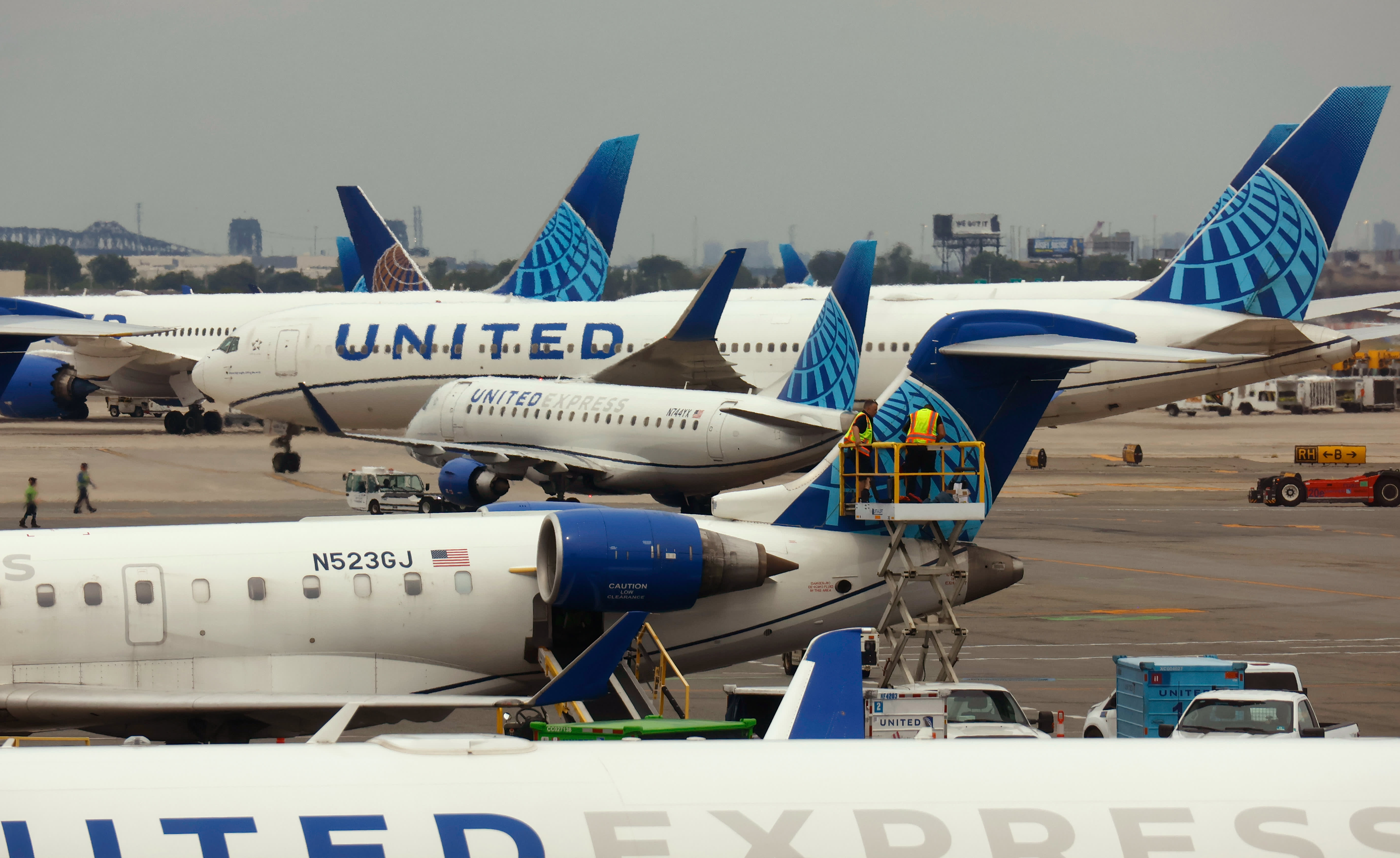
United Airlines 2027 Status Changes: Why Earning Top Tier is Getting Harder
United Airlines is removing flight segment requirements to reach elite status. Discover how the new points-based system works and what it means for your travel rewards.
US-EU Double Standards Exposed: Trump's Russia Diesel Deal Sparks Global Outcry
Trump's deal to buy Russian diesel while sanctioning others reveals a hypocritical US energy policy amid rising global inflation.

Walmart Expands Employee Healthcare: Free GLP-1s, Insulin, and More
Walmart is covering over 250 prescriptions, including insulin and GLP-1s, at no cost. Discover how the retail giant is reshaping employee benefits amid rising healthcare costs.
Travelers Beware: How Scammers Impersonate Consular Staff
Protect your finances from sophisticated impersonation scams targeting Chinese travelers in Laos. Learn how to verify official requests and secure your personal data.
Latest Articles
- Ukraine Claims Drone Attacks Reduced Russian Online Propaganda
- Saudi Crown Prince's Evacuation: Escalating Conflict Threatens Vision 2030
- FAA warns U.S. airlines of safety risks over Saudi Arabia after attacks
- McDonald's Chicken and Beverage Strategy Faces Intense Competition
- Delta Air Lines Delays Saudi Arabia Launch Due to Airport Security Threats
- The Paper Launches New Earth Channel to Address Climate Change