China Upgrades Asia-Africa Pavilion at CIIE to Boost Zero-Tariff Benefits
China's Ministry of Foreign Affairs announces enhanced Asia-Africa product zone at CIIE 2026 to help African nations capitalize on zero-tariff advantages.
Source: thepaper.cn
As global trade faces unprecedented challenges, China continues to strengthen its commitment to international economic cooperation through major trade exhibitions. The upcoming China International Import Expo (CIIE) stands as a testament to this dedication, with significant upgrades to its Asia-Africa product zone designed to maximize benefits for African nations. This initiative comes amid a series of successful international trade fairs hosted by China, reinforcing its role as a pivotal player in global economic recovery and development.
Key Developments
- Enhanced Asia-Africa Product Zone: The 2026 CIIE will feature an upgraded Asia-Africa product pavilion, specifically designed to showcase and promote goods from African diplomatic partners. This expansion reflects China's strategic focus on strengthening economic ties with the African continent.
- Zero-Tariff Opportunities: African nations will benefit from preferential zero-tariff treatment, allowing their products to enter the Chinese market without customs duties. This policy creates significant competitive advantages for African exporters, particularly in sectors like agriculture, handicrafts, and natural resources.
- Complementary Trade Events: The CIIE follows a series of successful international exhibitions including the China International Fair for Trade in Services, China-ASEAN Expo, and Global Digital Trade Fair. These events collectively demonstrate China's comprehensive approach to global economic engagement.
- Support for Least Developed Countries: China maintains its commitment to providing complimentary exhibition booths for the world's least developed countries, ensuring their participation in global trade opportunities regardless of economic constraints.
- Quality-Focused Exhibitions: The Canton Fair, celebrating its 70th anniversary, will host 32,000 enterprises with over 11,000 being specialized, innovative, or market-leading companies, highlighting China's emphasis on high-quality trade partnerships.
In-Depth Analysis
China's strategic approach to international trade exhibitions represents a sophisticated blend of economic diplomacy and market development. By upgrading the Asia-Africa product zone at CIIE, China is not merely expanding exhibition space but creating a dedicated ecosystem for African businesses to access the world's second-largest consumer market. This initiative aligns with China's broader Belt and Road Initiative objectives, which emphasize inclusive economic growth and South-South cooperation.
The zero-tariff policy offers more than just immediate market access—it represents a long-term capacity-building opportunity for African economies. By eliminating trade barriers, Chinese consumers gain access to diverse African products while African producers can establish sustainable supply chains and brand recognition in a high-growth market. This symbiotic relationship addresses historical imbalances in global trade by providing developing nations with preferential market access.
Looking ahead, these trade initiatives are likely to evolve beyond traditional exhibition formats. Digital integration, cross-border e-commerce platforms, and supply chain financing mechanisms may become increasingly important components of China's trade diplomacy strategy. The success of these initiatives will depend on their ability to create tangible economic benefits while addressing concerns about market access reciprocity and sustainable development.
Frequently Asked Questions
What specific products from Africa will benefit most from the zero-tariff policy? African agricultural products, handicrafts, and natural resources are expected to see the most significant benefits, as these sectors have traditionally faced higher tariff barriers when accessing the Chinese market. The zero-tariff treatment will particularly benefit countries specializing in coffee, cocoa, textiles, and minerals.
How does this initiative align with China's broader economic strategy? These trade initiatives complement China's dual circulation economic model by both stimulating domestic consumption through imported goods and strengthening international supply chains. They also support China's goal of building a community with shared future for mankind through practical economic cooperation.
Source: https://www.thepaper.cn/newsDetail_forward_34248647
Related posts
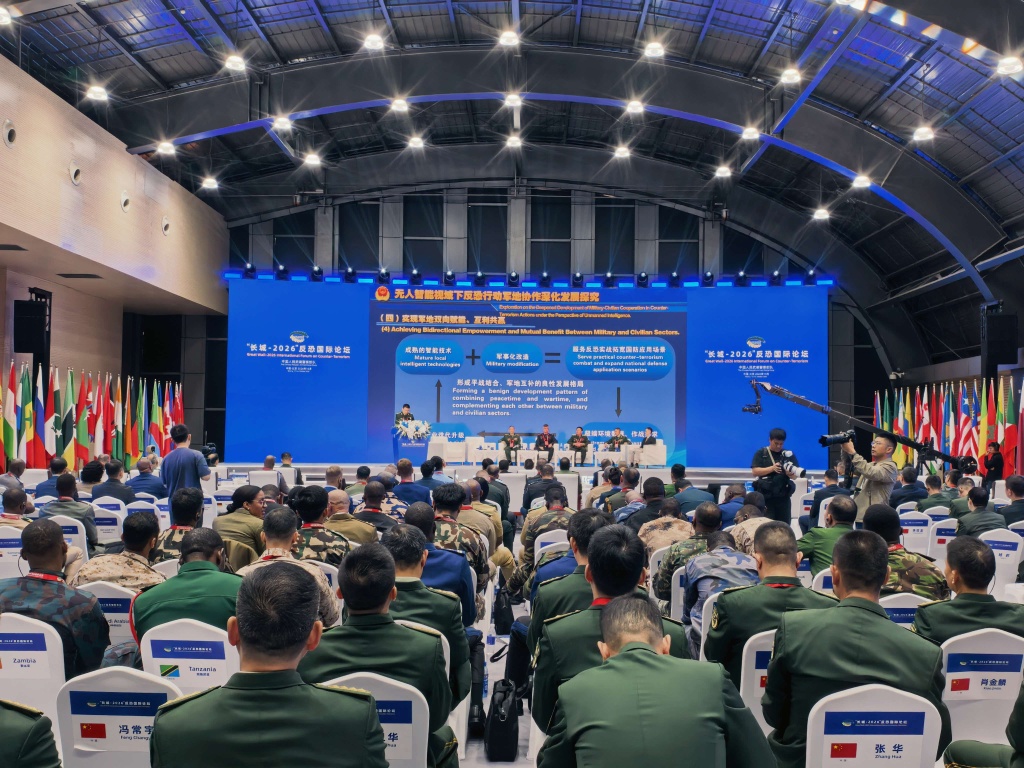
AI-Powered Counterterrorism: New Frontiers in the Fight Against Modern Terrorist Threats
Exploring how artificial intelligence is reshaping counterterrorism strategies worldwide, with insights from the 'Great Wall-2026' forum on emerging threats and defense innovations.
Korea's Yoon Suk Yeol Prepares for Trump Golf Meeting
Yoon Suk Yeol's team is setting up a special working group for a potential golf meeting with Donald Trump. Explore the diplomatic strategy, recent controversies, and the political significance behind this high-profile sporting event.
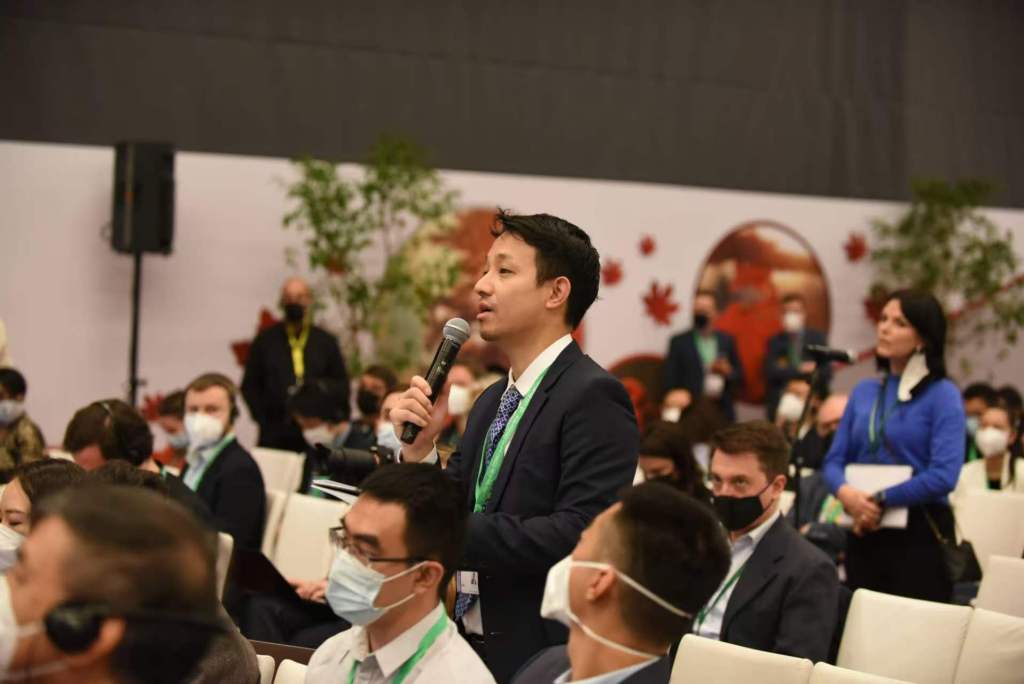
Climate Journalism at the Tipping Point: Finding Action in Environmental Crisis
Exploring climate reporting's critical role in environmental awareness and action amid global climate tipping points.
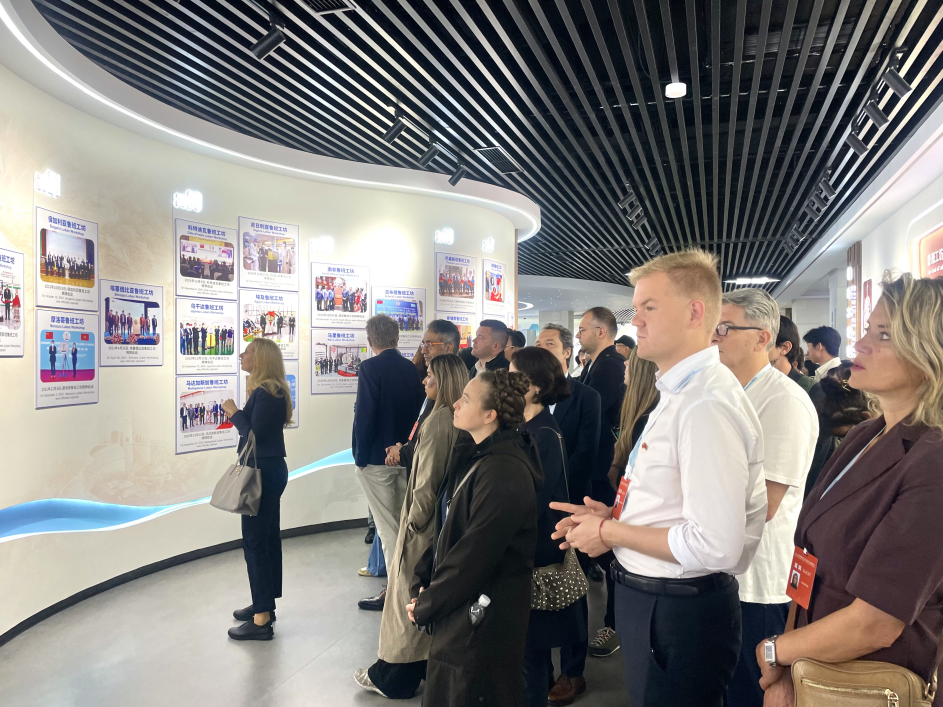
US Lawmaker: AI Transcends Borders, Urging US-China Cooperation
Washington State Representative Roger Goodman emphasizes that AI risks don't recognize national boundaries, calling for enhanced US-China collaboration to ensure AI benefits humanity.
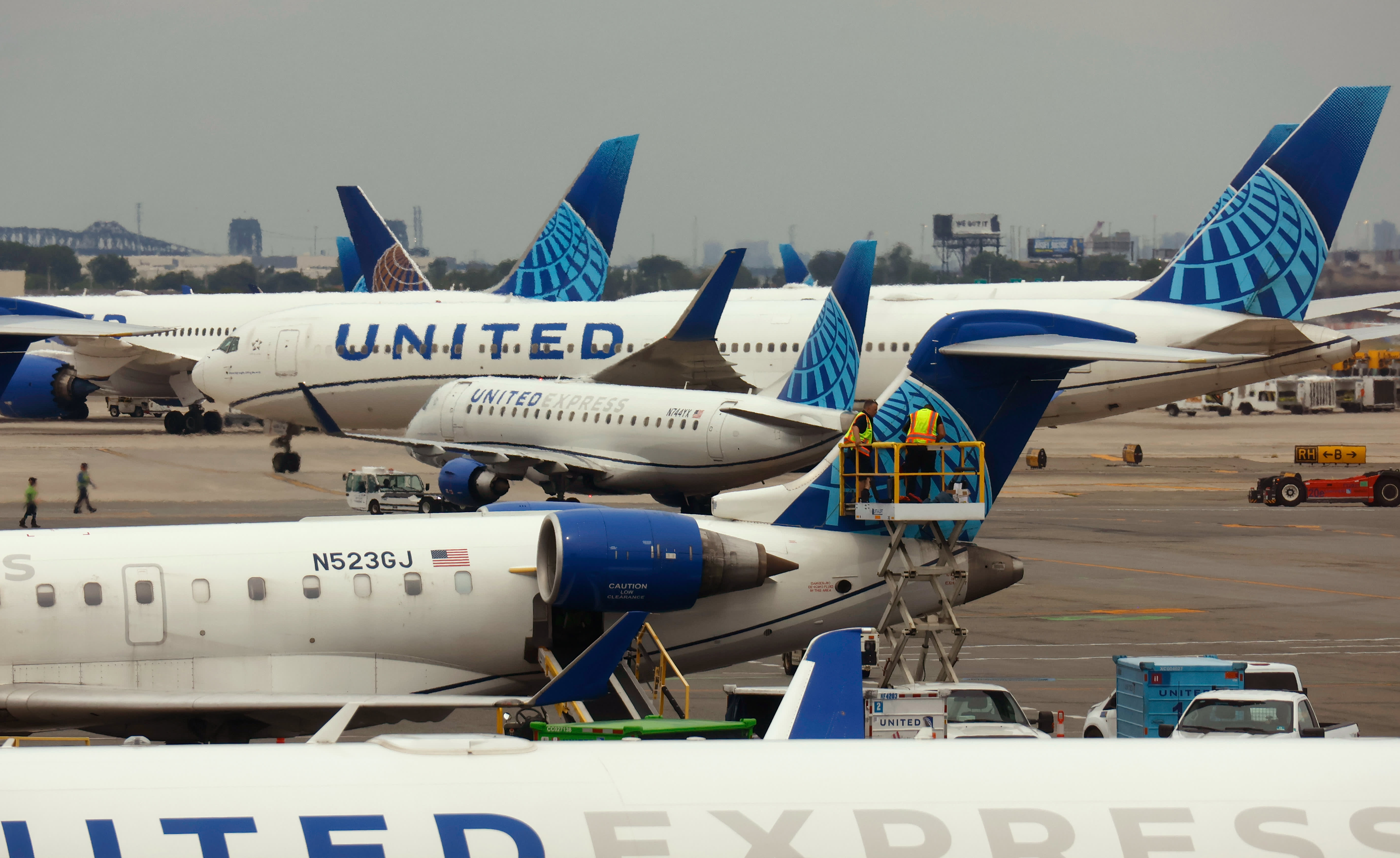
United Airlines 2027 Status Changes: Why Earning Top Tier is Getting Harder
United Airlines is removing flight segment requirements to reach elite status. Discover how the new points-based system works and what it means for your travel rewards.
US-EU Double Standards Exposed: Trump's Russia Diesel Deal Sparks Global Outcry
Trump's deal to buy Russian diesel while sanctioning others reveals a hypocritical US energy policy amid rising global inflation.
Walmart Expands Employee Healthcare: Free GLP-1s, Insulin, and More
Walmart is covering over 250 prescriptions, including insulin and GLP-1s, at no cost. Discover how the retail giant is reshaping employee benefits amid rising healthcare costs.
Travelers Beware: How Scammers Impersonate Consular Staff
Protect your finances from sophisticated impersonation scams targeting Chinese travelers in Laos. Learn how to verify official requests and secure your personal data.
Latest Articles
- Ukraine Claims Drone Attacks Reduced Russian Online Propaganda
- Saudi Crown Prince's Evacuation: Escalating Conflict Threatens Vision 2030
- FAA warns U.S. airlines of safety risks over Saudi Arabia after attacks
- McDonald's Chicken and Beverage Strategy Faces Intense Competition
- Delta Air Lines Delays Saudi Arabia Launch Due to Airport Security Threats
- The Paper Launches New Earth Channel to Address Climate Change