Bank of America Q3 2026: Revenue Miss, Regulatory Penalty, and Stock Drop Analysis
Bank of America's third-quarter earnings reveal a challenging financial landscape marked by a $1.2 billion penalty and disappointing trading results. This analysis explores the implications for the bank's future and the broader market.
Source: CNBC
Bank of America's third-quarter performance has sent shockwaves through the financial sector, illustrating the fragility of even the largest banking institutions. A sudden regulatory penalty combined with a significant miss in revenue projections has triggered an 8% stock decline, raising critical questions about the bank's operational controls and future guidance. As the second-largest U.S. bank by assets, a stumble by Bank of America (BAC) often signals broader shifts in the market, making this earnings report a crucial case study for investors and analysts alike.
Key Takeaways
- Regulatory Penalty Impact: The bank was hit with a $1.2 billion penalty for failing to report suspicious transactions, directly impacting net income and eroding investor confidence.
- Trading Revenue Miss: Fixed income and equities trading generated significantly less revenue than expected, falling short by nearly $750 million combined.
- Profit Decline: Third-quarter profit dropped 17% to $6.93 billion, with adjusted earnings per share (EPS) falling to 91 cents, excluding the penalty.
- Interest Income Growth: Despite the trading headwinds, net interest income rose 7.9% to $16.6 billion, slightly beating analyst estimates.
- Market Reaction: Shares fell as much as 8% in morning trading, prompting analysts to question the bank's ability to manage compliance costs and future guidance.
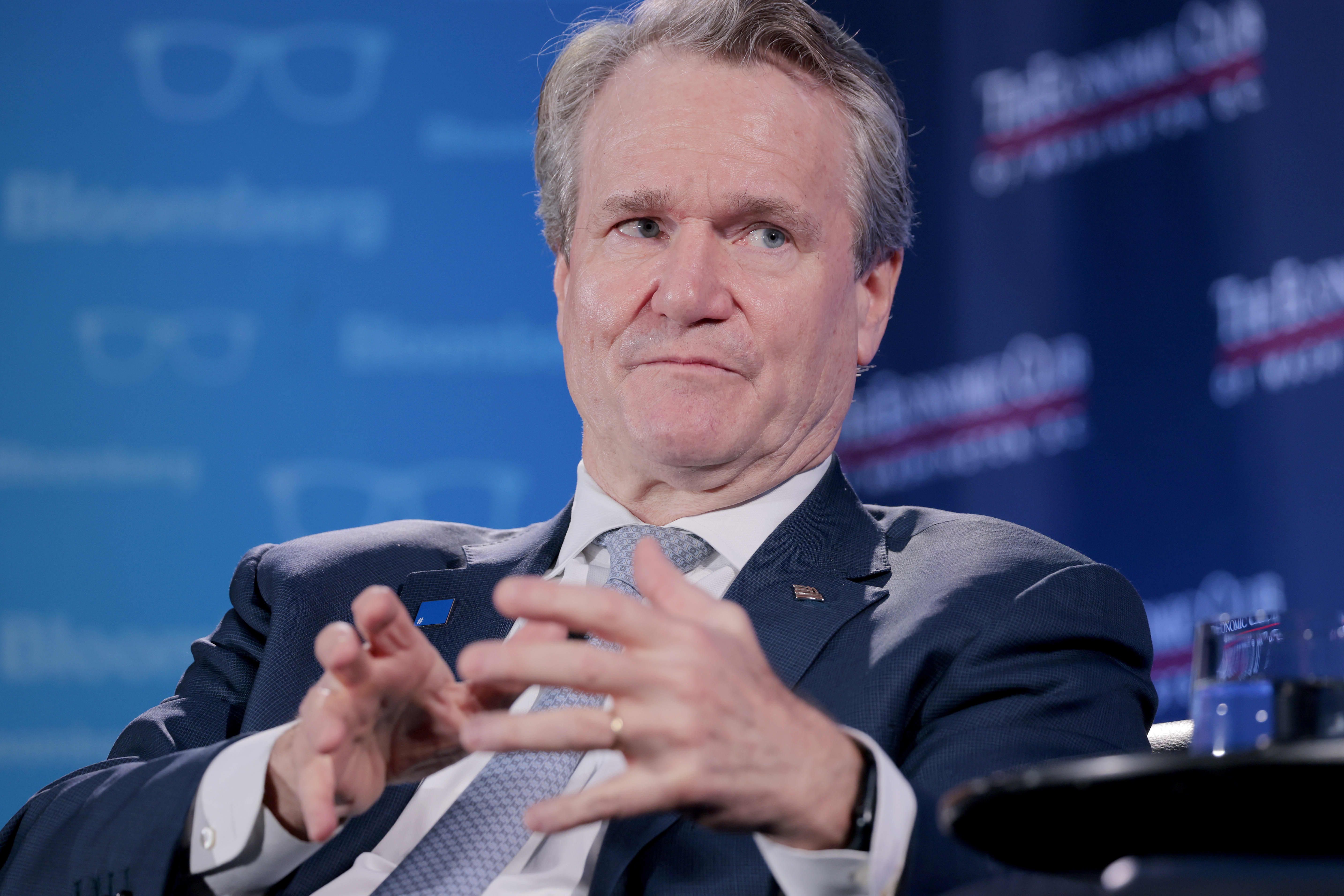
- CEO's Defense: CEO Brian Moynihan attributed bond trading losses to a sharp 85 basis point rise in interest rates, though analysts remain skeptical about the broader trading outlook.
- Future Uncertainty: Moynihan did not provide a timeline for resolving the regulatory issues, leaving investors uncertain about the bank's remediation efforts.
Deep Dive Analysis
The recent earnings report from Bank of America highlights a disconnect between management guidance and actual market performance. While the rise in net interest income suggests that the bank is effectively capitalizing on higher interest rates, the collapse in trading revenue indicates deeper structural issues within its capital markets division. The $1.2 billion penalty, stemming from the Treasury Department's findings on unreported suspicious transactions, is not just a financial hit but a reputational blow. It calls into question the effectiveness of internal controls at a bank of BofA's magnitude, a concern that resonates deeply in an era of heightened regulatory scrutiny.
The trading disappointment is particularly concerning given CEO Brian Moynihan's earlier assurances that revenue would be roughly flat. Instead, combined bond and stock trading results fell by 5%. This misalignment between guidance and reality is a red flag for investors, who are now scrutinizing the bank's ability to forecast and manage risk. The sharp decline in fixed income trading, driven by weakness in mortgages and credit activity, underscores the challenges banks face in a volatile interest rate environment. While CFO Alastair Borthwick argued that rising rates inherently hurt these businesses, the magnitude of the miss suggests that BofA may be facing execution challenges beyond simple market conditions.
Looking ahead, the bank's ability to restore investor confidence will depend on its handling of the regulatory issues and its trading recovery. The lack of a clear timeline from Moynihan regarding the resolution of the Treasury episode leaves a cloud of uncertainty over the stock. Furthermore, the pressure on management to justify the trading miss and future share repurchase plans will likely intensify in the coming quarters. For the broader market, BofA's struggles serve as a reminder that even titans of finance are vulnerable to operational failures and regulatory headwinds.
Frequently Asked Questions
Q: Why did Bank of America's stock drop so sharply?
A: The stock dropped as much as 8% due to a combination of a $1.2 billion regulatory penalty and a significant miss in third-quarter revenue, particularly in trading operations. The penalty erased 17 cents per share from earnings, while the revenue shortfall disappointed investors expecting better performance.
Q: How did net interest income perform, and why does it matter?
A: Net interest income rose 7.9% to $16.6 billion, slightly beating analyst estimates. This metric is crucial for banks like BofA because it represents a stable, interest-sensitive revenue stream that can buffer against volatility in trading and investment banking.
Q: What is the main reason for the decline in trading revenue?
A: Fixed income trading revenue fell 17% due to weakness in mortgages, municipals, and credit activity. Equities trading also fell short of expectations. The bank attributes some of this to a sharp 85 basis point rise in interest rates during the quarter.
Source: https://www.cnbc.com/2026/10/14/bank-of-america-bac-q3-2026-earnings.html
Related posts

AI-Powered Counterterrorism: New Frontiers in the Fight Against Modern Terrorist Threats
Exploring how artificial intelligence is reshaping counterterrorism strategies worldwide, with insights from the 'Great Wall-2026' forum on emerging threats and defense innovations.
China Upgrades Asia-Africa Pavilion at CIIE to Boost Zero-Tariff Benefits
China's Ministry of Foreign Affairs announces enhanced Asia-Africa product zone at CIIE 2026 to help African nations capitalize on zero-tariff advantages.
Korea's Yoon Suk Yeol Prepares for Trump Golf Meeting
Yoon Suk Yeol's team is setting up a special working group for a potential golf meeting with Donald Trump. Explore the diplomatic strategy, recent controversies, and the political significance behind this high-profile sporting event.

Climate Journalism at the Tipping Point: Finding Action in Environmental Crisis
Exploring climate reporting's critical role in environmental awareness and action amid global climate tipping points.

US Lawmaker: AI Transcends Borders, Urging US-China Cooperation
Washington State Representative Roger Goodman emphasizes that AI risks don't recognize national boundaries, calling for enhanced US-China collaboration to ensure AI benefits humanity.
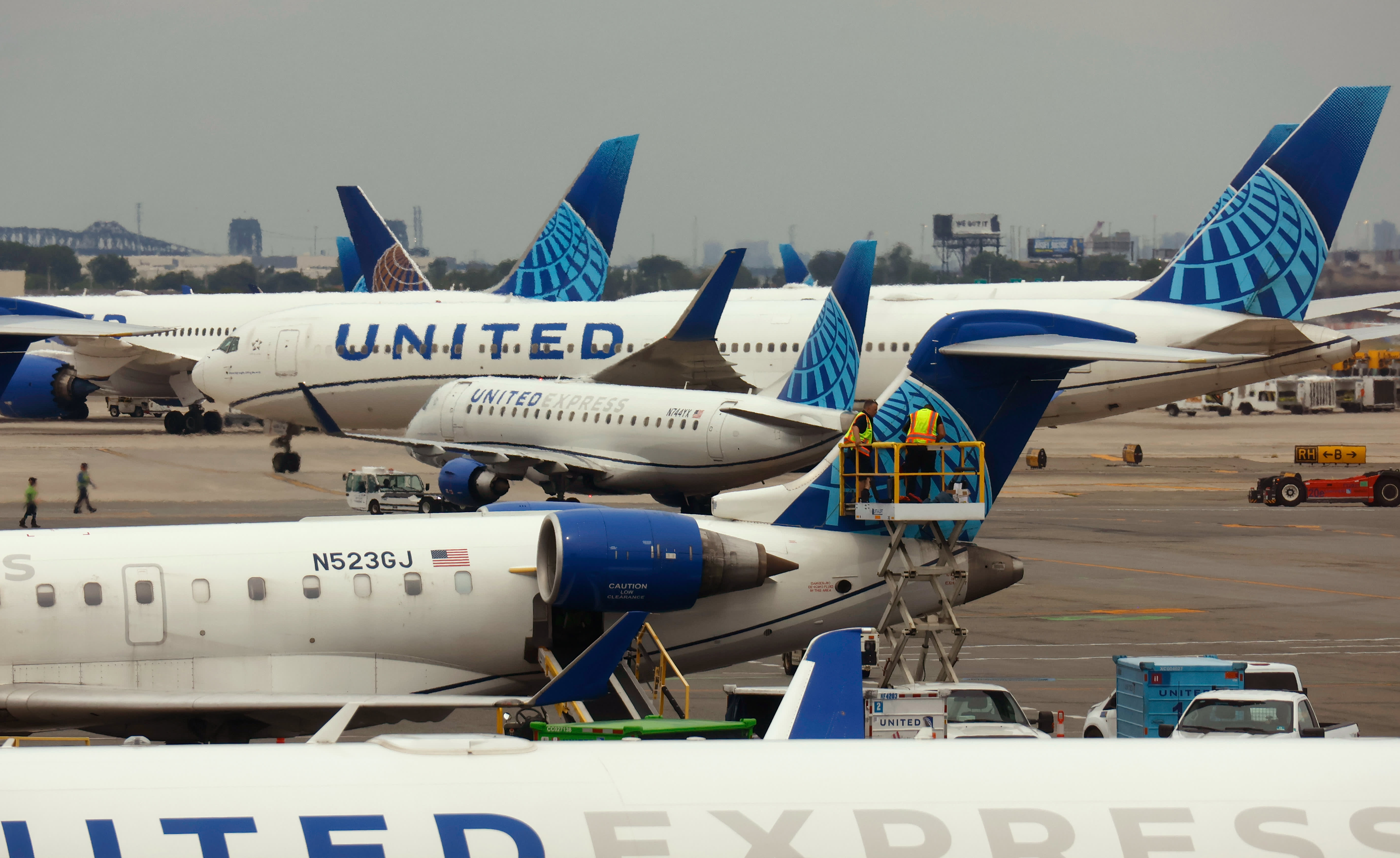
United Airlines 2027 Status Changes: Why Earning Top Tier is Getting Harder
United Airlines is removing flight segment requirements to reach elite status. Discover how the new points-based system works and what it means for your travel rewards.
US-EU Double Standards Exposed: Trump's Russia Diesel Deal Sparks Global Outcry
Trump's deal to buy Russian diesel while sanctioning others reveals a hypocritical US energy policy amid rising global inflation.
Walmart Expands Employee Healthcare: Free GLP-1s, Insulin, and More
Walmart is covering over 250 prescriptions, including insulin and GLP-1s, at no cost. Discover how the retail giant is reshaping employee benefits amid rising healthcare costs.
Latest Articles
- Travelers Beware: How Scammers Impersonate Consular Staff
- Ukraine Claims Drone Attacks Reduced Russian Online Propaganda
- Saudi Crown Prince's Evacuation: Escalating Conflict Threatens Vision 2030
- FAA warns U.S. airlines of safety risks over Saudi Arabia after attacks
- McDonald's Chicken and Beverage Strategy Faces Intense Competition
- Delta Air Lines Delays Saudi Arabia Launch Due to Airport Security Threats