SpaceX Starshield Cuts Ukraine's Starlink Speed: US-Government Pressure or Political Stunt?
Ukraine claims SpaceX Starlink speed limits are hindering military operations. We analyze the US government's alleged role in restricting Starshield services and its impact on the Ukraine war.
Source: thepaper.cn
In a dramatic escalation of geopolitical tensions, Ukraine has formally accused the United States of actively undermining its military capabilities by restricting access to SpaceX's Starlink satellite internet service. This move, which coincides with a volatile period of diplomatic exchanges between Washington and Kyiv, raises critical questions about the future of Western support for Ukraine and the role of private military contractors in modern conflicts.
Key Developments
- Speed Limits Hamper Operations: Ukrainian military officials report that Starlink terminals used for drone operations are experiencing signal failures when the vehicle speed exceeds 100 miles per hour (160 km/h). This limitation has directly impacted logistics and mid-range strike missions, forcing some operations to be canceled.
- Alleged US Government Control: SpaceX CEO Elon Musk stated that any restrictions on "Starshield" are decided by the US military and the President. This suggests that the limits are not merely a technical issue but a deliberate strategic choice by the US administration.
- Russia Exploits Connectivity Issues: Russian forces have launched massive drone strikes, utilizing the network instability to their advantage. Ukrainian officials argue that the outages are not coincidental but are being exploited to gain a tactical edge.
- Trump-Zelenskyy Public Feud: Tensions have boiled over into a public spat between President Donald Trump and President Volodymyr Zelenskyy, with Trump warning against attacks on Russian oil infrastructure and Zelenskyy expressing feelings of betrayal.
- Sanctions Relief for Russia: Concurrently, the US Treasury announced the relaxation of sanctions on Russian diesel, a move that further complicates the geopolitical landscape and raises concerns about the durability of the anti-Russian coalition.
Deep Analysis
The reported throttling of Starlink services represents a significant shift in the dynamics of the ongoing conflict. Historically, Starlink has been a lifeline for Ukrainian forces, providing essential connectivity for artillery coordination and drone surveillance. By implementing speed limits that affect mobile units, the US appears to be signaling a reduction in its commitment to Ukraine's offensive capabilities.
This situation underscores the precarious position of Ukraine, which is increasingly dependent on specific technologies provided by private companies under the umbrella of government support. The distinction Musk draws between Starlink (commercial) and Starshield (military) is legally and technically complex, but politically it serves to highlight the US government's ultimate control over the network's functionality.
Furthermore, the timing of these restrictions—coinciding with a relaxation of sanctions on Russia—suggests a potential recalibration of US foreign policy goals. The narrative is shifting from an aggressive containment strategy to a more transactional approach, potentially prioritizing energy markets and geopolitical stability over the territorial integrity of Ukraine. This leaves Ukrainian forces vulnerable, particularly in their ability to conduct rapid, mobile counter-attacks.
Frequently Asked Questions
Q: Is the US actually cutting off Starlink to Ukraine?
A: While the service is not entirely shut down, it has been severely restricted. Speed limits have been introduced specifically for military-grade terminals, and the US government has admitted to controlling the "Starshield" version of the network.
Q: How does this affect the Ukrainian military?
A: The limitations make it difficult for Ukrainian drones and vehicles to operate effectively in high-speed scenarios. This hampers logistics, makes units easier targets for Russian air defenses, and forces the cancellation of critical missions.
Q: What is the difference between Starlink and Starshield?
A: Starlink is a commercial service run by SpaceX. Starshield is a separate program designed for government use, including military applications, and is reportedly controlled directly by the US government.
Source: https://www.thepaper.cn/newsDetail_forward_34254228
Related posts
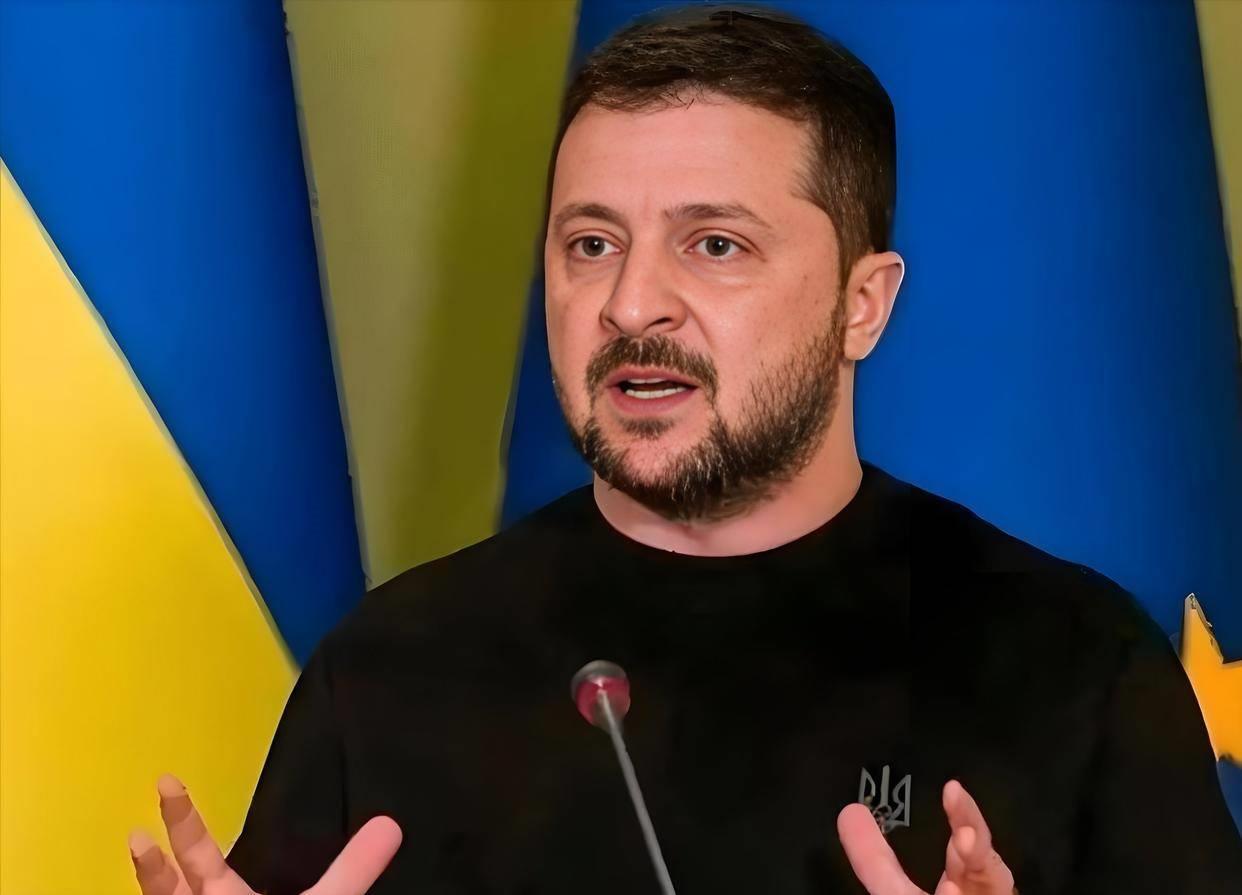
Zelensky Announces Resumption of Strikes on Russian Oil Refineries
Ukraine to restart attacks on Russian energy infrastructure after temporary pause requested by US, citing lack of missile warnings and Starlink limitations.
Bank of America Spends Billions to Patch AI-Exposed Flaws
Discover how Bank of America deployed 1,000 contractors to fix software vulnerabilities exposed by Anthropic's Mythos AI, marking a costly defensive shift in enterprise security.
US Restrictions on Chinese Drones Backfire as Performance Gap Widens
American bans on Chinese drones are causing significant problems across multiple industries, with police departments and construction firms struggling to find affordable alternatives that match Chinese technology.
China Upgrades Asia-Africa Pavilion at CIIE to Boost Zero-Tariff Benefits
China's Ministry of Foreign Affairs announces enhanced Asia-Africa product zone at CIIE 2026 to help African nations capitalize on zero-tariff advantages.
Bank of America Q3 2026: Revenue Miss, Regulatory Penalty, and Stock Drop Analysis
Bank of America's third-quarter earnings reveal a challenging financial landscape marked by a $1.2 billion penalty and disappointing trading results. This analysis explores the implications for the bank's future and the broader market.
Morgan Stanley Q3 2026: AI Boom Fuels Record Equity Trading Revenue
Morgan Stanley beats Q3 estimates with 41% equities trading growth driven by AI and Asia. A deep dive into the bank's record-breaking performance and CEO Pick's outlook.
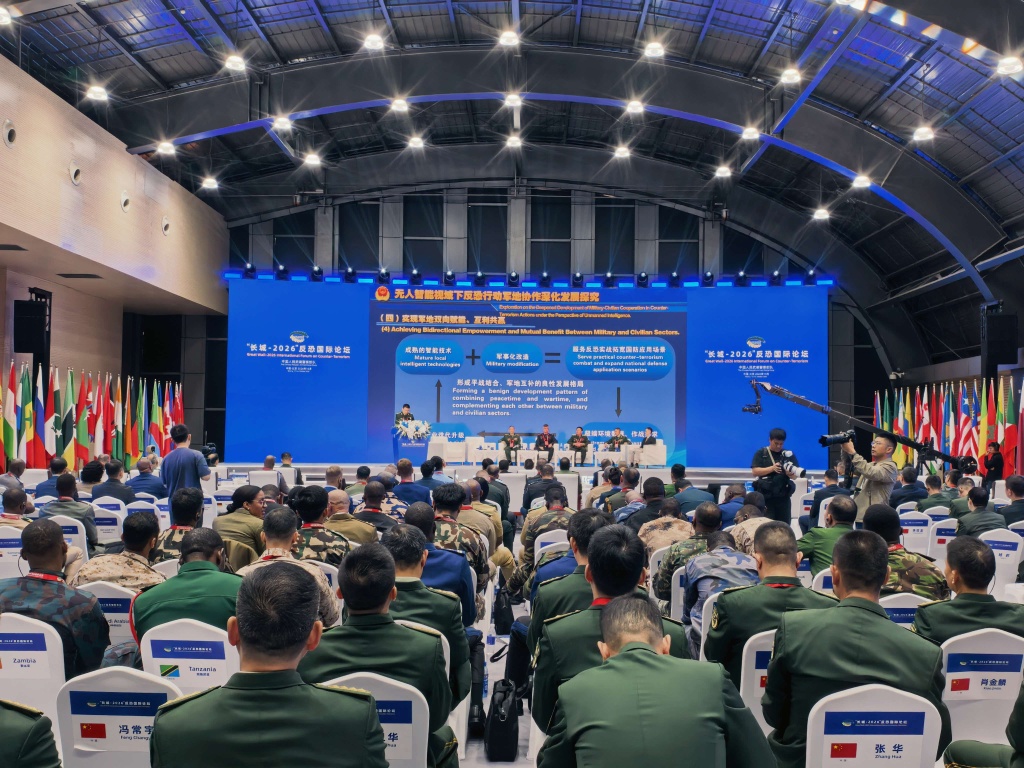
AI-Powered Counterterrorism: New Frontiers in the Fight Against Modern Terrorist Threats
Exploring how artificial intelligence is reshaping counterterrorism strategies worldwide, with insights from the 'Great Wall-2026' forum on emerging threats and defense innovations.
Korea's Yoon Suk Yeol Prepares for Trump Golf Meeting
Yoon Suk Yeol's team is setting up a special working group for a potential golf meeting with Donald Trump. Explore the diplomatic strategy, recent controversies, and the political significance behind this high-profile sporting event.
Latest Articles
- Climate Journalism at the Tipping Point: Finding Action in Environmental Crisis
- US Lawmaker: AI Transcends Borders, Urging US-China Cooperation
- United Airlines 2027 Status Changes: Why Earning Top Tier is Getting Harder
- US-EU Double Standards Exposed: Trump's Russia Diesel Deal Sparks Global Outcry
- Walmart Expands Employee Healthcare: Free GLP-1s, Insulin, and More
- Travelers Beware: How Scammers Impersonate Consular Staff