Strait of Hormuz Attacks Surge as Iran Seeks to Influence US Midterm Elections
Recent spike in vessel attacks in the Strait of Hormuz reveals Iran's strategy to impact global oil markets and US politics amid escalating tensions.
Source: thepaper.cn
The escalating attacks on commercial vessels in the Strait of Hormuz represent a critical development in global geopolitics, with potentially far-reaching consequences for energy markets and international relations. As one of the world's most vital chokepoints for oil transportation, any disruption in this strategic waterway sends shockwaves through global energy markets and impacts economies worldwide. The recent surge in incidents comes at a particularly sensitive time, with the United States approaching midterm elections and oil prices already under pressure from various geopolitical factors.
Key Developments
- Increased Attack Frequency: Since early October, approximately 24 vessels have been attacked in the region, surpassing the total number of incidents throughout September alone. Maritime intelligence firm Windward AI reports that last week saw a wartime high of 12 separate attacks on commercial ships, with nine additional incidents occurring in just the past 96 hours.
- Target Expansion: Iranian forces have broadened their attack scope beyond traditional oil tankers to include container ships and bulk carriers. The recent sinking of the Singapore-registered container ship "GFS Pride" marks a significant escalation, as such incidents were relatively rare since the conflict began.
- Geographical Spread: Attacks have expanded beyond the Strait of Hormuz into the Gulf of Oman and waters near Qatar and the United Arab Emirates, indicating a deliberate strategy to disrupt maritime activities across a wider region.
- Tactical Evolution: Iranian forces are employing new tactics, including using small boats with unarmed observers to identify potential targets. They've also shifted to different attack methods and rhythms, suggesting a coordinated strategy rather than random incidents.
- Economic Impact: The attacks have significantly reduced oil transit through the strait, with daily volumes dropping from an average of 15.5 million barrels in September to approximately 2.9 million barrels on October 11. This disruption has caused crude tanker freight rates to skyrocket, with very large crude carriers (VLCCs) reaching an average daily rate of $805,000.
- Political Motivation: Two senior Iranian officials confirmed to Reuters that the increased attacks are part of a coordinated strategy to maintain high oil prices and influence the outcome of US midterm elections, explicitly stating their goal is to "thwart US and allied efforts to lower global oil prices."

In-Depth Analysis
The recent surge in attacks represents a calculated escalation by Iran to leverage its geographic advantage in the Strait of Hormuz, which handles approximately 20% of global oil consumption. This strategy appears designed to create maximum economic pressure on the United States and its allies while simultaneously attempting to influence domestic American politics. The timing is particularly significant, as higher oil prices directly impact American consumers' cost of living and could potentially influence voting behavior in the upcoming midterm elections.
From a market perspective, these attacks have effectively reversed previous gains in oil exports from Gulf states. Despite US military efforts to protect vessels and facilitate alternative routing through Omani coastal waters, the recent spike in incidents has successfully disrupted oil flows and driven prices upward. The economic consequences extend beyond energy markets, affecting shipping costs, insurance premiums, and global supply chains.
Looking ahead, the situation presents several concerning possibilities. If Iran follows through on its threat to completely close the strait to vessels violating its restrictions, global oil markets could face unprecedented disruption. The international community's response will be critical in determining whether this situation escalates further or de-escalates. The United States may consider additional military escorts, diplomatic pressure, or even strategic petroleum reserve releases to counter Iran's strategy, potentially leading to further tensions in an already volatile region.
The broader implications of this conflict extend beyond immediate economic concerns. The Strait of Hormuz has become a focal point for demonstrating power and influence in the Middle East, with Iran attempting to assert its dominance while the United States and its allies seek to maintain freedom of navigation. This standoff reflects deeper geopolitical rivalries that will likely continue to shape regional dynamics for years to come.
Frequently Asked Questions
Why is Iran targeting commercial vessels in the Strait of Hormuz? Iran is employing these attacks as part of a broader strategy to disrupt global oil markets, maintain high oil prices, and exert economic pressure on the United States and its allies. Senior Iranian officials have explicitly stated that these actions aim to influence US midterm elections by keeping oil prices elevated, which impacts American consumers and potentially voting behavior.
How are these attacks affecting global oil markets? The attacks have significantly reduced oil transit through the strait, with daily volumes dropping by over 80% in recent reports. This disruption has caused crude tanker freight rates to reach historic highs and contributed to increased global oil prices. The economic impact extends beyond energy markets, affecting shipping costs, insurance premiums, and global supply chains.
What is the international community's response to these attacks? The United States has increased military escorts for commercial vessels and facilitated alternative routing through Omani coastal waters. However, these measures have proven insufficient to fully counter Iran's strategy. The international community is facing a dilemma in responding, as any escalation could further destabilize the region while inaction allows Iran to continue disrupting global energy markets.
Source: https://www.thepaper.cn/newsDetail_forward_34257391
Related posts
US Restrictions on Chinese Drones Backfire as Performance Gap Widens
American bans on Chinese drones are causing significant problems across multiple industries, with police departments and construction firms struggling to find affordable alternatives that match Chinese technology.

Bank of America Spends Billions to Patch AI-Exposed Flaws
Discover how Bank of America deployed 1,000 contractors to fix software vulnerabilities exposed by Anthropic's Mythos AI, marking a costly defensive shift in enterprise security.

Zelensky Announces Resumption of Strikes on Russian Oil Refineries
Ukraine to restart attacks on Russian energy infrastructure after temporary pause requested by US, citing lack of missile warnings and Starlink limitations.
SpaceX Starshield Cuts Ukraine's Starlink Speed: US-Government Pressure or Political Stunt?
Ukraine claims SpaceX Starlink speed limits are hindering military operations. We analyze the US government's alleged role in restricting Starshield services and its impact on the Ukraine war.
China Upgrades Asia-Africa Pavilion at CIIE to Boost Zero-Tariff Benefits
China's Ministry of Foreign Affairs announces enhanced Asia-Africa product zone at CIIE 2026 to help African nations capitalize on zero-tariff advantages.

Bank of America Q3 2026: Revenue Miss, Regulatory Penalty, and Stock Drop Analysis
Bank of America's third-quarter earnings reveal a challenging financial landscape marked by a $1.2 billion penalty and disappointing trading results. This analysis explores the implications for the bank's future and the broader market.

Morgan Stanley Q3 2026: AI Boom Fuels Record Equity Trading Revenue
Morgan Stanley beats Q3 estimates with 41% equities trading growth driven by AI and Asia. A deep dive into the bank's record-breaking performance and CEO Pick's outlook.
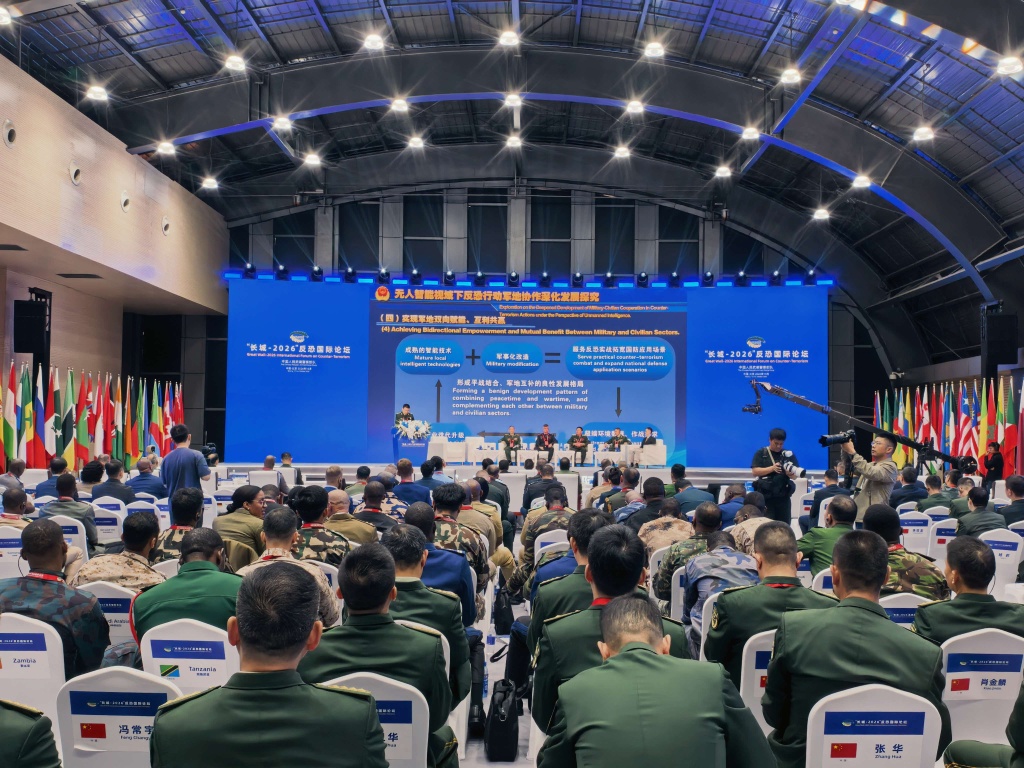
AI-Powered Counterterrorism: New Frontiers in the Fight Against Modern Terrorist Threats
Exploring how artificial intelligence is reshaping counterterrorism strategies worldwide, with insights from the 'Great Wall-2026' forum on emerging threats and defense innovations.
Latest Articles
- Korea's Yoon Suk Yeol Prepares for Trump Golf Meeting
- Climate Journalism at the Tipping Point: Finding Action in Environmental Crisis
- US Lawmaker: AI Transcends Borders, Urging US-China Cooperation
- United Airlines 2027 Status Changes: Why Earning Top Tier is Getting Harder
- US-EU Double Standards Exposed: Trump's Russia Diesel Deal Sparks Global Outcry
- Walmart Expands Employee Healthcare: Free GLP-1s, Insulin, and More