KFC Switches to Coca-Cola After Decades-Long Partnership with Pepsi
Breaking: KFC will replace PepsiCo with Coca-Cola beverages across all U.S. locations by Q1 2027, marking a major shift in the fast-food industry's beverage alliances.
Source: CNBC
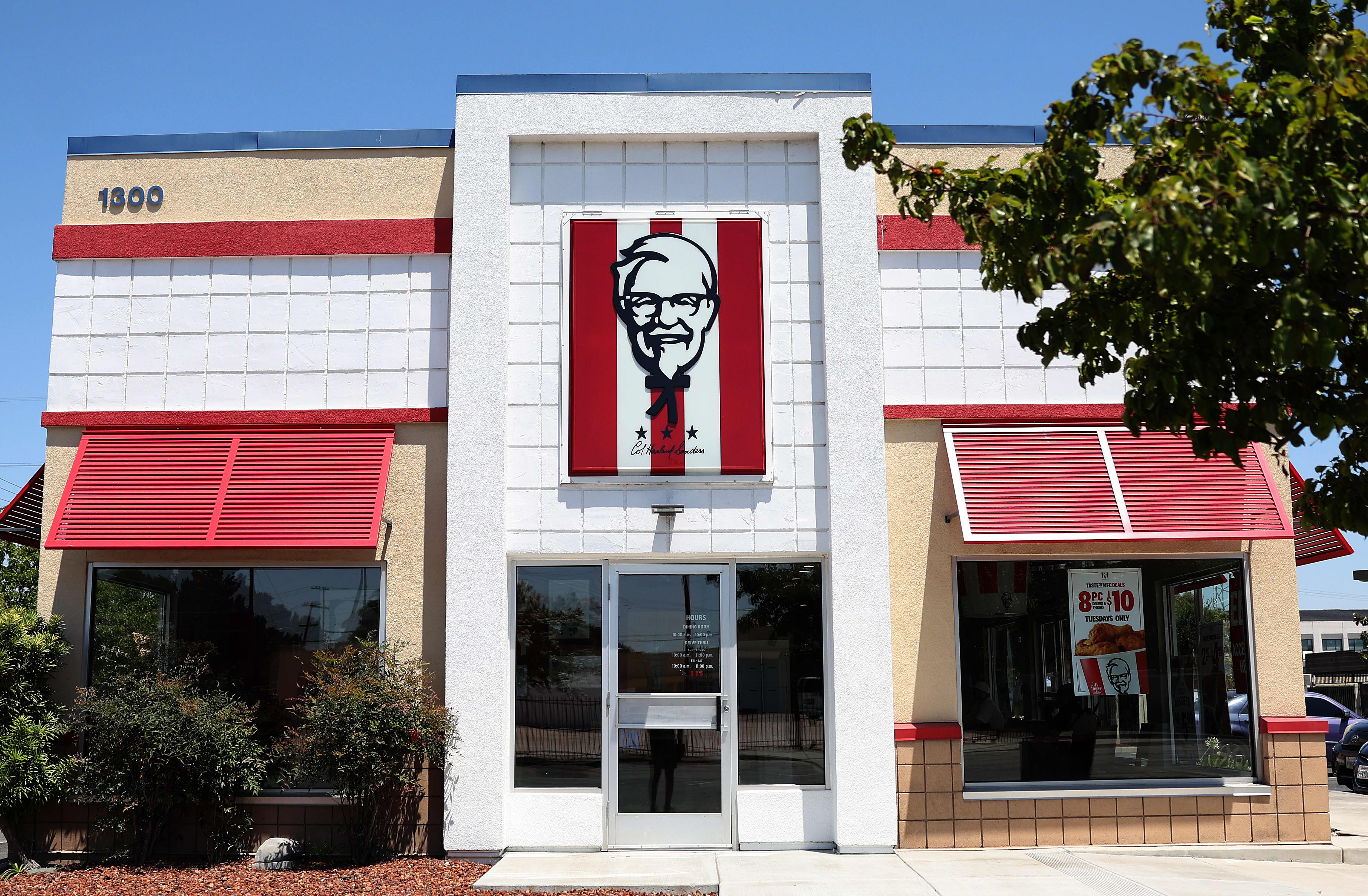
In a move that has sent shockwaves through the beverage and fast-food industries, KFC announced it will be switching from PepsiCo to Coca-Cola beverages across all its U.S. restaurants by the end of the first quarter of 2027. This decision marks the first time in decades that the Yum Brands chain has changed its beverage supplier, ending a partnership that dates back to Pepsi's acquisition of KFC in 1986. The strategic shift comes as KFC seeks to revitalize its presence in the competitive U.S. market where it has been losing ground to rivals like Chick-fil-A and Popeyes.
Key Points
- Historic Partnership Change: KFC's U.S. restaurants have exclusively served PepsiCo beverages since 1986 when Pepsi acquired the fried chicken chain. This long-standing relationship has been a fixture in the fast-food landscape, making the switch to Coca-Cola unprecedented in recent history.
- Global vs. U.S. Strategy: While KFC has served Coca-Cola products in many international markets for years, the U.S. operations remained loyal to Pepsi even after KFC was spun off into Yum Brands alongside Pizza Hut and Taco Bell.
- Iconic Product Impact: The change means that Taco Bell, another Yum Brands chain, will likely lose its exclusive Mountain Dew Baja Blast, a cult-favorite beverage that has been a key differentiator for the brand.
- Innovation Focus: KFC U.S. President Catherine Tan-Gillespie described the move as "a critical step in the Kentucky Fried Comeback," emphasizing that the new partnership with Coca-Cola will provide "a platform to innovate, meet changing tastes and give customers more reasons to choose us."
- Implementation Timeline: The transition will be completed by the end of Q1 2027, with KFC expecting to have Coca-Cola beverages available in all its U.S. locations by then.
In-Depth Analysis
This strategic shift represents more than just a change in beverage supplier—it signals KFC's recognition of the need for significant innovation to regain market share in the increasingly competitive U.S. fast-food landscape. The beverage category has become crucial for differentiation in the industry, with chains like McDonald's and Taco Bell expanding their offerings with innovative drinks such as refreshers and specialty sodas. By partnering with Coca-Cola, KFC gains access to a broader innovation platform and potentially more resources for developing exclusive beverages that could attract new customers.
The timing of this move is particularly noteworthy, coming as KFC faces mounting pressure from competitors who have successfully captured consumer attention. The "Kentucky Fried Comeback" initiative suggests that leadership views the beverage partnership as a key lever in their turnaround strategy. This move also highlights the ongoing battle between Coca-Cola and Pepsi for restaurant partnerships, which represent both significant sales opportunities and powerful brand visibility platforms. While such switches are uncommon in the industry—they typically involve complex logistics and contractual agreements—they are not unprecedented, with Pepsi having successfully poached Subway from Coca-Cola in 2024.
Looking ahead, this partnership change could potentially inspire other restaurant chains to reevaluate their beverage alliances, particularly as consumer preferences continue to evolve. The fast-food industry's increasing focus on beverage innovation as a competitive differentiator suggests that we may see more such strategic shifts in the coming years as brands seek new ways to capture consumer attention in an increasingly crowded marketplace.
Frequently Asked Questions
Why is KFC switching from Pepsi to Coca-Cola after all these years? KFC is making this strategic move as part of its "Kentucky Fried Comeback" initiative to win back U.S. diners who have been choosing competitors like Chick-fil-A and Popeyes. The company believes that partnering with Coca-Cola will provide better opportunities for innovation and help them meet changing consumer tastes.
Will this affect Taco Bell's Mountain Dew Baja Blast? Yes, since Taco Bell is also owned by Yum Brands, the switch to Coca-Cola likely means the end of the exclusive partnership that made Mountain Dew Baja Blast a signature item for Taco Bell. This iconic beverage has been a key differentiator for the brand, so its absence could represent a significant change for Taco Bell's menu.
How will this impact KFC's international operations? KFC has clarified that Pepsi remains an important partner for its international markets, where many locations already serve Coca-Cola products. The switch specifically affects only KFC's U.S. restaurants, allowing the company to maintain different beverage strategies across its global footprint.
Source: https://www.cnbc.com/2026/10/15/kfc-coca-cola-pepsi-switch.html
Related posts
China's Diplomatic Stance on Philippines: Navigating Tensions and Seeking Stability
China urges the Philippines to accurately understand its stance on improving bilateral relations amidst rising tensions and military rhetoric.
US Restrictions on Chinese Drones Backfire as Performance Gap Widens
American bans on Chinese drones are causing significant problems across multiple industries, with police departments and construction firms struggling to find affordable alternatives that match Chinese technology.

Strait of Hormuz Attacks Surge as Iran Seeks to Influence US Midterm Elections
Recent spike in vessel attacks in the Strait of Hormuz reveals Iran's strategy to impact global oil markets and US politics amid escalating tensions.
Southwest Airlines Overhauls Loyalty Program with New Tiers and Benefits
Southwest Airlines is replacing its two-tier frequent flyer program with silver, gold, and platinum levels, offering enhanced benefits and changing its approach to the Companion Pass.
Oregon School Shooting: Tragedy Sparks Debate on Gun Control
A deadly shooting at an Oregon elementary school leaves at least 5 dead, reigniting national conversation about school safety and gun legislation.
The Billionaire Space Race: Musk vs. Bezos
Elon Musk and Jeff Bezos are locked in a fierce rivalry for the future of space exploration, utilizing their immense wealth to dominate the aerospace industry.
JetBlue BlueFirst: New Domestic First Class for Under $300
JetBlue launches BlueFirst, a new domestic first-class cabin with lie-flat seats and premium amenities, starting at $299. Here is what you need to know.
Bank of America Spends Billions to Patch AI-Exposed Flaws
Discover how Bank of America deployed 1,000 contractors to fix software vulnerabilities exposed by Anthropic's Mythos AI, marking a costly defensive shift in enterprise security.
Latest Articles
- Zelensky Announces Resumption of Strikes on Russian Oil Refineries
- SpaceX Starshield Cuts Ukraine's Starlink Speed: US-Government Pressure or Political Stunt?
- China Upgrades Asia-Africa Pavilion at CIIE to Boost Zero-Tariff Benefits
- Bank of America Q3 2026: Revenue Miss, Regulatory Penalty, and Stock Drop Analysis
- Morgan Stanley Q3 2026: AI Boom Fuels Record Equity Trading Revenue
- AI-Powered Counterterrorism: New Frontiers in the Fight Against Modern Terrorist Threats