Merck CEO: Cancer Vaccine Production Timeline to Shorten
Merck and Moderna's personalized cancer vaccine is evolving. CEO Rob Davis discusses speeding up the six-week manufacturing process to reach more patients sooner.
Source: CNBC
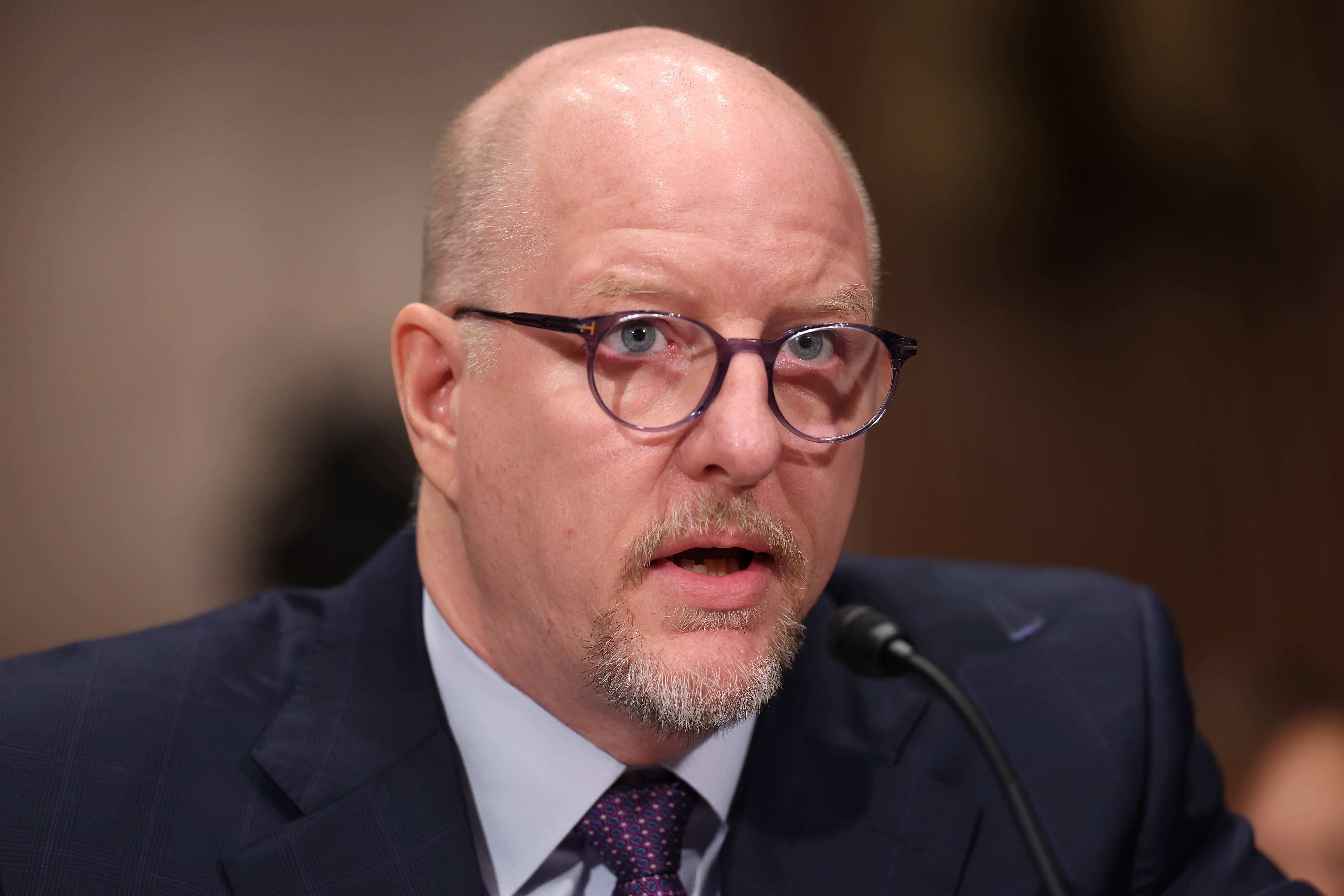
The race to develop a universal cancer cure has taken a significant step forward with the collaboration between pharmaceutical giants Merck and Moderna. At the center of this breakthrough is a personalized cancer vaccine designed to target the unique genetic mutations within an individual patient's tumor. While the initial rollout is currently constrained by a six-week manufacturing timeline, Merck CEO Rob Davis has revealed that the process is rapidly being optimized to deliver this life-saving innovation to a wider patient population faster than ever before.
Key Developments in Cancer Vaccine Production
- Targeted Therapy Approach: Unlike traditional vaccines that prevent diseases, this new treatment is designed to treat existing conditions by training the immune system to recognize and attack specific cancer markers unique to each patient.
- Streamlined Manufacturing: The current production cycle, which spans from tumor sequencing to hospital delivery, is a complex process. However, both companies have refined their operations to a "very tight science" to ensure timely delivery.
- Clinical Success: Initial late-stage trial data released in August showed positive results for the vaccine when combined with Merck's immunotherapy drug Keytruda in melanoma patients.
- Expanded Applications: The clinical trials are now expanding to include other aggressive tumor types, such as non-small cell lung cancer, various bladder cancers, and renal cell carcinoma.
- Future Outlook: While a complete cure remains a future goal, the technology represents an "unprecedented" direction in oncology, offering hope for more effective cancer management strategies.
In-Depth Analysis
The ability to shorten the manufacturing timeline for personalized cancer vaccines is a critical factor in determining the commercial viability and accessibility of this technology. Currently, the six-week turnaround is a significant bottleneck. It means that a patient's treatment plan is often dictated by the speed of the manufacturing facility rather than the urgency of the medical need. By driving for improvement and refining the "complex system" of production, Merck and Moderna are addressing one of the most daunting challenges in biotech: scalability.
This acceleration is not just a logistical win; it is a strategic necessity for Merck. The company is preparing for a pivotal transition in its revenue stream. Keytruda, the blockbuster immunotherapy that serves as the backbone of the vaccine strategy, faces patent cliffs. The core U.S. patent for Keytruda expires in December 2028, and secondary patents follow shortly after. To mitigate the impact of this revenue loss, Merck is aggressively pivoting toward next-generation medicines. The success of this personalized cancer vaccine is central to this pivot, positioning Merck to maintain its dominance in the oncology market even after its flagship drug faces generic competition.
Furthermore, the opening of Merck's new 120,000-square-foot research facility in West Point, Pennsylvania, underscores the company's commitment to this innovation. Equipped with advanced robotic systems and AI capabilities, the facility is designed to analyze biological samples with unprecedented speed and precision. This infrastructure supports the broader goal of accelerating drug development timelines, ensuring that new therapies reach patients faster. As the industry moves toward more personalized medicine, the ability to rapidly produce customized treatments will define the leaders of the next decade.
Frequently Asked Questions
Q: How does the new cancer vaccine differ from traditional cancer treatments?
A: Traditional treatments like chemotherapy often use a "one-size-fits-all" approach that attacks rapidly dividing cells, which can damage healthy tissue. This new vaccine is personalized; it analyzes the specific genetic mutations in a patient's tumor to create a unique therapy that trains the immune system to target only those specific cancer markers, potentially reducing side effects.
Q: What is the role of Keytruda in this treatment?
A: Keytruda is a blockbuster immunotherapy that helps the body's immune system fight cancer more effectively. In this combination therapy, the vaccine primes the immune system to recognize cancer cells, while Keytruda helps the immune system attack them with greater intensity and persistence.
Q: When can patients expect to receive this treatment?
A: While clinical trials are ongoing and expanding to various tumor types, the companies are currently focused on ensuring supply readiness. The goal is to bring this innovation to market as soon as possible, with an optimistic outlook that the manufacturing timeline will continue to shorten to make it more accessible.
Source: https://www.cnbc.com/2026/10/14/merck-moderna-cancer-vaccine-manufacturing-time.html
Related posts

Porsche Unveils Mission S Concept: New Flagship Design Direction
Porsche reveals Mission S concept car previewing new design language and positioning above iconic 911 as part of turnaround strategy.
AI Startup Bankruptcies: The Reverse Acquihire Trend Explained
Character.ai's bankruptcy reveals a troubling trend in the AI industry: 'reverse acquihires' by tech giants like Google. We analyze the financial and strategic implications for startups.

LDP Senior Official Visits Yasukuni Shrine Amid Rising Regional Tensions
Analysis of the recent high-profile visits to Yasukuni Shrine by Japanese LDP leadership, including Katsunobu Kato and Masako Okada, and their implications for regional diplomacy.

IMF Secretary-General Warns: Strait of Hormuz Risks Remain High Amid Rising Attacks
The Strait of Hormuz faces severe security threats, with over 110 vessels attacked since conflict escalation. Learn why global shipping is at risk and what measures are being taken.

Trump Signs Executive Order to Waive Key Sanctions on Russia Amid Energy Crisis
Trump administration exempts major parts of the Graham Bill, including 500% tariffs on Russian imports, to stabilize domestic fuel markets.

Trump's AI to SI Rename: Political Theater or Tech Revolution?
Examining the implications of Trump's controversial decision to replace 'AI' with 'SI' in all US government documents, analyzing the political motivations and global repercussions.
KFC Switches to Coca-Cola After Decades-Long Partnership with Pepsi
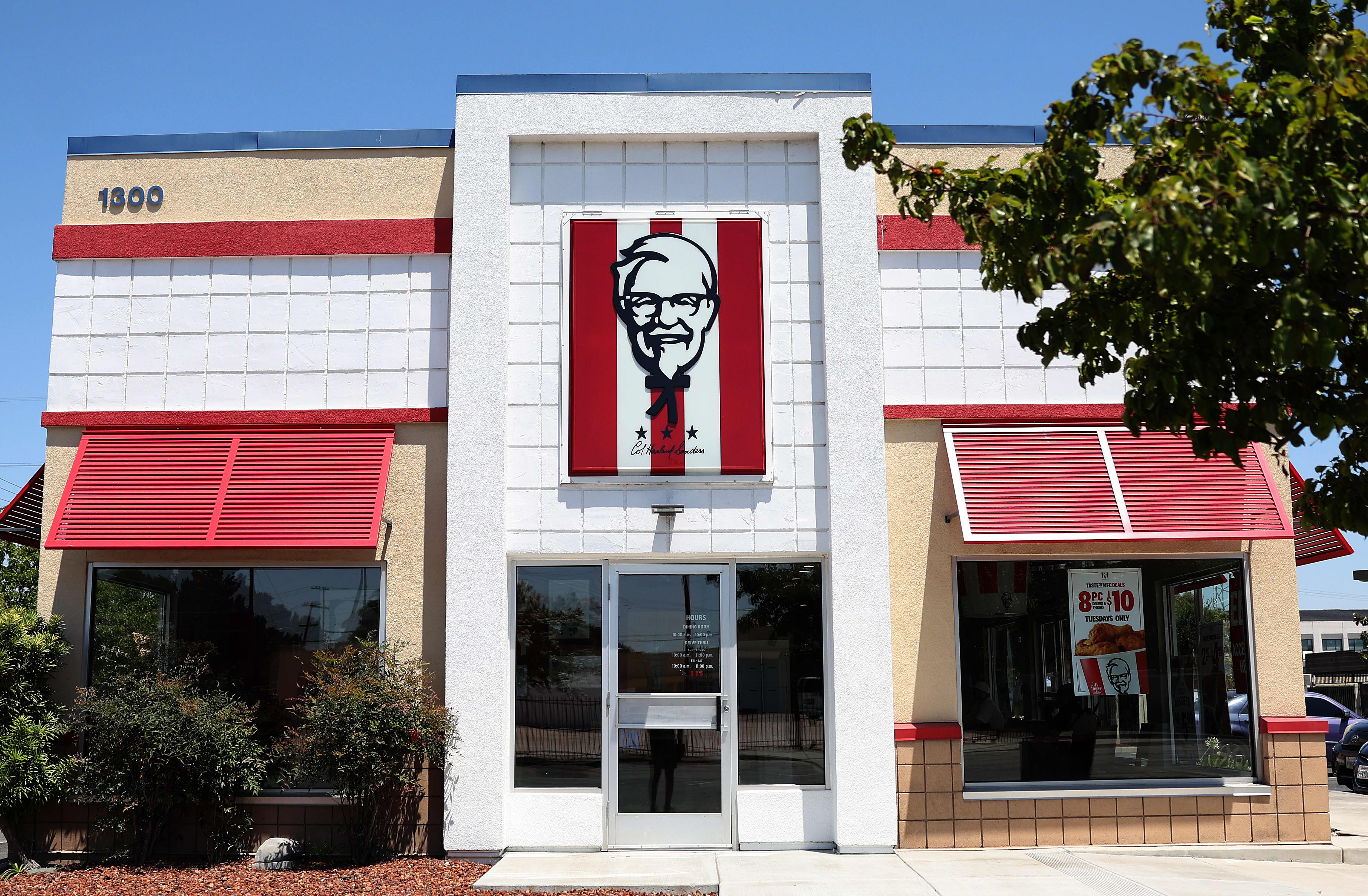
Breaking: KFC will replace PepsiCo with Coca-Cola beverages across all U.S. locations by Q1 2027, marking a major shift in the fast-food industry's beverage alliances.
Netflix Appoints Peter Rice as New Chief Content Officer to Revitalize Strategy
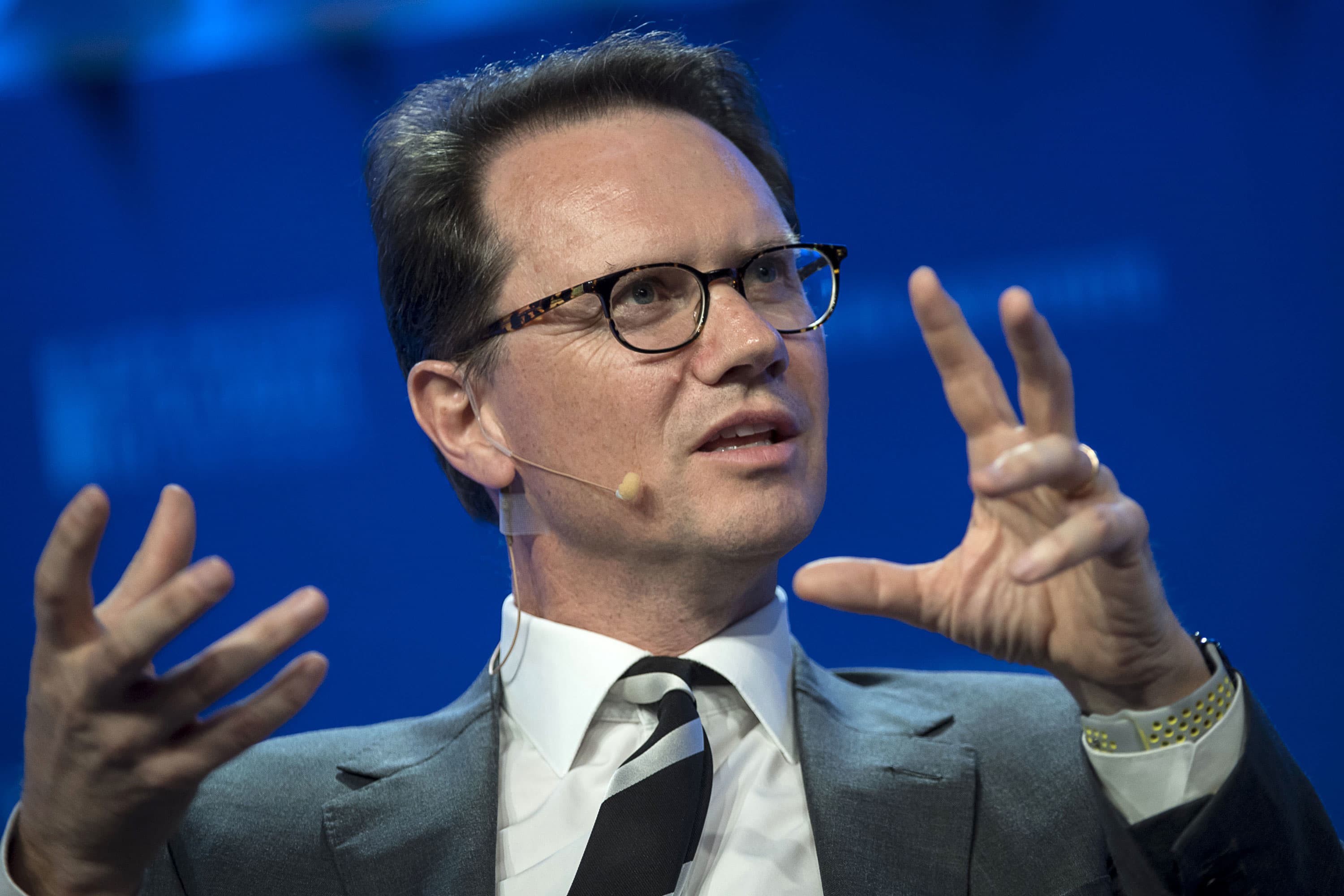
Netflix hires former Disney executive Peter Rice to lead content, replacing Bela Bajaria amid declining viewership and a massive workforce cut.
Latest Articles
- Nike's India Campus Strategy Amid China Sales Decline
- China's Diplomatic Stance on Philippines: Navigating Tensions and Seeking Stability
- US Restrictions on Chinese Drones Backfire as Performance Gap Widens
- Strait of Hormuz Attacks Surge as Iran Seeks to Influence US Midterm Elections
- Southwest Airlines Overhauls Loyalty Program with New Tiers and Benefits
- Oregon School Shooting: Tragedy Sparks Debate on Gun Control