IMF Secretary-General Warns: Strait of Hormuz Risks Remain High Amid Rising Attacks
The Strait of Hormuz faces severe security threats, with over 110 vessels attacked since conflict escalation. Learn why global shipping is at risk and what measures are being taken.
Source: thepaper.cn
The safety of global trade routes is currently hanging by a thread. As geopolitical tensions flare, the Strait of Hormuz has transformed from a critical artery into a perilous zone, threatening to disrupt the flow of energy and goods worldwide. The International Maritime Organization (IMO) has issued urgent warnings, highlighting that the risk of vessel passage is not merely elevated—it is critically high. This situation demands immediate attention from the international community to prevent a broader economic catastrophe.
Key Takeaways
- Escalating Violence: The region has witnessed a sharp increase in attacks, with 12 reported incidents in a single week, marking the highest weekly toll since the conflict began.
- Humanitarian Crisis: Over 110 vessels have been targeted, resulting in at least 24 seafarers killed and numerous others injured or missing.
- IMO Urgent Advice: The IMO advises ships to avoid the Strait entirely and to suspend trade activities in the area to ensure safety.
- Global Economic Impact: Beyond the Strait, conflicts in the Red Sea and Black Sea are compounding shipping delays, threatening to raise global costs and impact food security.
- Protecting Seafarers: There is a firm emphasis on protecting human rights at sea; seafarers have the right to refuse passage through dangerous zones.
- Root Cause Focus: The IMO stresses that military pressure cannot solve the crisis; only addressing the underlying conflict will restore safe navigation.
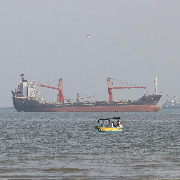
In-Depth Analysis
The situation in the Strait of Hormuz is a stark reminder of how geopolitical instability ripples through the global economy. The recent surge in attacks, which saw six vessels hit in a single day, indicates a dangerous normalization of violence in a region that handles approximately 20% of the world's oil. This is not merely a local maritime issue; it is a systemic threat to global energy security and supply chains.
International Maritime Organization Secretary-General Arsenio Dominguez has rightly pointed out that the root causes of this crisis remain unresolved. While operational measures are being taken to mitigate risks, such as reviewing risk assessment guidelines and supporting the thousands of stranded seafarers, these are stopgaps. True stability requires a political solution. The IMO’s stance that "shipping should not be used as a pressure tool" is a crucial ethical and operational boundary that must be respected by all parties involved.
Furthermore, the crisis extends beyond the Persian Gulf. The Secretary-General highlighted that the impact of these conflicts is being felt in the Red Sea, off the coast of Somalia, and in the Black and Azov Seas. This widespread disruption suggests that the global shipping industry is facing a prolonged period of volatility. The potential for these regional conflicts to trigger a chain reaction, driving up freight rates and insurance premiums, poses a significant risk to global economic recovery and food security.
Frequently Asked Questions
What is the current status of the Strait of Hormuz?
The security situation is described by the IMO as "continuously deteriorating." Recent data shows a sharp increase in hostile actions, with a record 12 vessel incidents reported in one week alone, including the sinking of ships and multiple attacks.
Why is the IMO advising ships to avoid the area?
The IMO’s primary concern is the safety of human life and the protection of the marine environment. With over 110 vessels attacked and 24 seafarers killed, the risk of further casualties is deemed too high for commercial navigation. The organization advises vessels to avoid the area entirely and suspend related trade activities.
How does this conflict affect the global economy?
The Strait of Hormuz is a critical chokepoint for global oil supply. Disruptions here can lead to skyrocketing oil prices, which in turn drive up transportation and production costs worldwide. Additionally, delays in shipping routes affecting the Red Sea and Black Sea threaten to increase food prices and disrupt global supply chains.
Source: https://www.thepaper.cn/newsDetail_forward_34270973
Related posts

LDP Senior Official Visits Yasukuni Shrine Amid Rising Regional Tensions
Analysis of the recent high-profile visits to Yasukuni Shrine by Japanese LDP leadership, including Katsunobu Kato and Masako Okada, and their implications for regional diplomacy.

Trump Signs Executive Order to Waive Key Sanctions on Russia Amid Energy Crisis
Trump administration exempts major parts of the Graham Bill, including 500% tariffs on Russian imports, to stabilize domestic fuel markets.

Trump's AI to SI Rename: Political Theater or Tech Revolution?
Examining the implications of Trump's controversial decision to replace 'AI' with 'SI' in all US government documents, analyzing the political motivations and global repercussions.

KFC Switches to Coca-Cola After Decades-Long Partnership with Pepsi
Breaking: KFC will replace PepsiCo with Coca-Cola beverages across all U.S. locations by Q1 2027, marking a major shift in the fast-food industry's beverage alliances.

Netflix Appoints Peter Rice as New Chief Content Officer to Revitalize Strategy
Netflix hires former Disney executive Peter Rice to lead content, replacing Bela Bajaria amid declining viewership and a massive workforce cut.

Nike's India Campus Strategy Amid China Sales Decline
Nike invests in Bengaluru campus as growth strategy while facing 26% revenue drop in China market.
China's Diplomatic Stance on Philippines: Navigating Tensions and Seeking Stability
China urges the Philippines to accurately understand its stance on improving bilateral relations amidst rising tensions and military rhetoric.
US Restrictions on Chinese Drones Backfire as Performance Gap Widens
American bans on Chinese drones are causing significant problems across multiple industries, with police departments and construction firms struggling to find affordable alternatives that match Chinese technology.
Latest Articles
- Strait of Hormuz Attacks Surge as Iran Seeks to Influence US Midterm Elections
- Southwest Airlines Overhauls Loyalty Program with New Tiers and Benefits
- Oregon School Shooting: Tragedy Sparks Debate on Gun Control
- The Billionaire Space Race: Musk vs. Bezos
- JetBlue BlueFirst: New Domestic First Class for Under $300
- Bank of America Spends Billions to Patch AI-Exposed Flaws