Trump Signs Executive Order to Waive Key Sanctions on Russia Amid Energy Crisis
Trump administration exempts major parts of the Graham Bill, including 500% tariffs on Russian imports, to stabilize domestic fuel markets.
Source: thepaper.cn
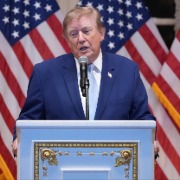
In a move that has sparked intense debate within Washington, President Donald Trump signed an executive order on October 16, 2026, to waive a significant portion of the sanctions imposed on Russia. This decision directly contradicts the aggressive economic measures outlined in the Graham Bill and signals a potential shift in the administration's strategy toward Moscow. By temporarily suspending punitive tariffs, the White House aims to address urgent domestic concerns regarding fuel shortages and soaring gasoline prices, prioritizing economic stability over strict geopolitical containment. The move has drawn sharp criticism from congressional hardliners who argue that easing pressure on Russia undermines national security and emboldens authoritarian regimes.
Key Takeaways
- Massive Tariff Waivers: The executive order exempts most clauses of the Graham Bill, including a 500% tariff on goods imported from Russia.
- Energy Market Stabilization: The primary motivation is to alleviate a severe shortage of diesel fuel in the United States and to curb rising oil prices.
- Legislative Conflict: The waiver creates a direct clash between the executive branch and Congress, as lawmakers demand stricter enforcement of the Graham Bill.
- Conditional Exemptions: The sanctions relief is not permanent; it remains valid until the President or his top economic advisors decide to take further action.
- Targeted Entities: The original sanctions targeted Russian government officials, financial institutions, and state-controlled entities, but these penalties are now largely suspended.
In-Depth Analysis
This decision represents a significant deviation from the hawkish foreign policy that characterized the early months of the Trump administration. The Graham Bill, named after the late Senator Lindsey Graham, was designed to be a comprehensive economic weapon against Russia, targeting its energy sector and financial infrastructure. By waiving the most damaging provisions, the administration is effectively admitting that the current energy crisis is more immediately pressing than the geopolitical objective of crippling the Russian economy. This prioritization of domestic energy security over foreign policy consistency could set a precedent for future administrations to prioritize internal economic metrics over international diplomatic cohesion.
Furthermore, the conflict between the White House and Congress highlights a deepening divide within the Republican Party. While the President seeks to use economic levers to stabilize the market, a faction of the Republican caucus—led by Senator Graham—is demanding that the administration adhere to the letter of the law. This internal friction suggests that the legislative process for foreign policy is becoming increasingly volatile, where executive orders can be easily overridden or undermined by legislative intent. The suspension of sanctions also risks sending mixed signals to global markets, potentially confusing international partners about the United States' long-term commitment to sanctions regimes.
Looking ahead, the sustainability of this policy remains uncertain. With the midterm elections approaching and inflationary pressures mounting, the administration is likely to maintain this relaxed stance for the foreseeable future. However, if the domestic energy situation stabilizes or if geopolitical tensions with Russia escalate, the Trump administration could quickly reinstate the harsher sanctions outlined in the Graham Bill. This volatility makes it difficult for businesses and investors to plan long-term strategies, as the regulatory environment regarding Russia remains in a state of flux.
Frequently Asked Questions
Q: What is the Graham Bill, and why was it passed?
A: The Graham Bill is a piece of legislation named after Senator Lindsey Graham, designed to impose severe economic sanctions on Russia and Iran. It targeted government officials, financial institutions, and state-owned entities to cripple their economies in response to geopolitical aggression.
Q: How does waiving these sanctions affect American consumers?
A: The immediate effect is intended to be positive; by relaxing sanctions, the administration hopes to increase the supply of Russian diesel, which should lower fuel prices and reduce the strain on American consumers at the pump.
Q: Will these sanctions ever come back?
A: Yes, the waivers are temporary and conditional. They will remain in effect until the President or his key advisors decide to take further action, meaning the sanctions could be reinstated if the political or economic landscape changes.
Source: https://www.thepaper.cn/newsDetail_forward_34269052
Related posts
Trump's AI to SI Rename: Political Theater or Tech Revolution?
Examining the implications of Trump's controversial decision to replace 'AI' with 'SI' in all US government documents, analyzing the political motivations and global repercussions.
KFC Switches to Coca-Cola After Decades-Long Partnership with Pepsi
Breaking: KFC will replace PepsiCo with Coca-Cola beverages across all U.S. locations by Q1 2027, marking a major shift in the fast-food industry's beverage alliances.

Netflix Appoints Peter Rice as New Chief Content Officer to Revitalize Strategy
Netflix hires former Disney executive Peter Rice to lead content, replacing Bela Bajaria amid declining viewership and a massive workforce cut.

Nike's India Campus Strategy Amid China Sales Decline
Nike invests in Bengaluru campus as growth strategy while facing 26% revenue drop in China market.
China's Diplomatic Stance on Philippines: Navigating Tensions and Seeking Stability
China urges the Philippines to accurately understand its stance on improving bilateral relations amidst rising tensions and military rhetoric.
US Restrictions on Chinese Drones Backfire as Performance Gap Widens
American bans on Chinese drones are causing significant problems across multiple industries, with police departments and construction firms struggling to find affordable alternatives that match Chinese technology.

Strait of Hormuz Attacks Surge as Iran Seeks to Influence US Midterm Elections
Recent spike in vessel attacks in the Strait of Hormuz reveals Iran's strategy to impact global oil markets and US politics amid escalating tensions.
Southwest Airlines Overhauls Loyalty Program with New Tiers and Benefits
Southwest Airlines is replacing its two-tier frequent flyer program with silver, gold, and platinum levels, offering enhanced benefits and changing its approach to the Companion Pass.
Latest Articles
- Oregon School Shooting: Tragedy Sparks Debate on Gun Control
- The Billionaire Space Race: Musk vs. Bezos
- JetBlue BlueFirst: New Domestic First Class for Under $300
- Bank of America Spends Billions to Patch AI-Exposed Flaws
- Zelensky Announces Resumption of Strikes on Russian Oil Refineries
- SpaceX Starshield Cuts Ukraine's Starlink Speed: US-Government Pressure or Political Stunt?