Haze from Kalimantan Forest Fires Reaches Jakarta Sky
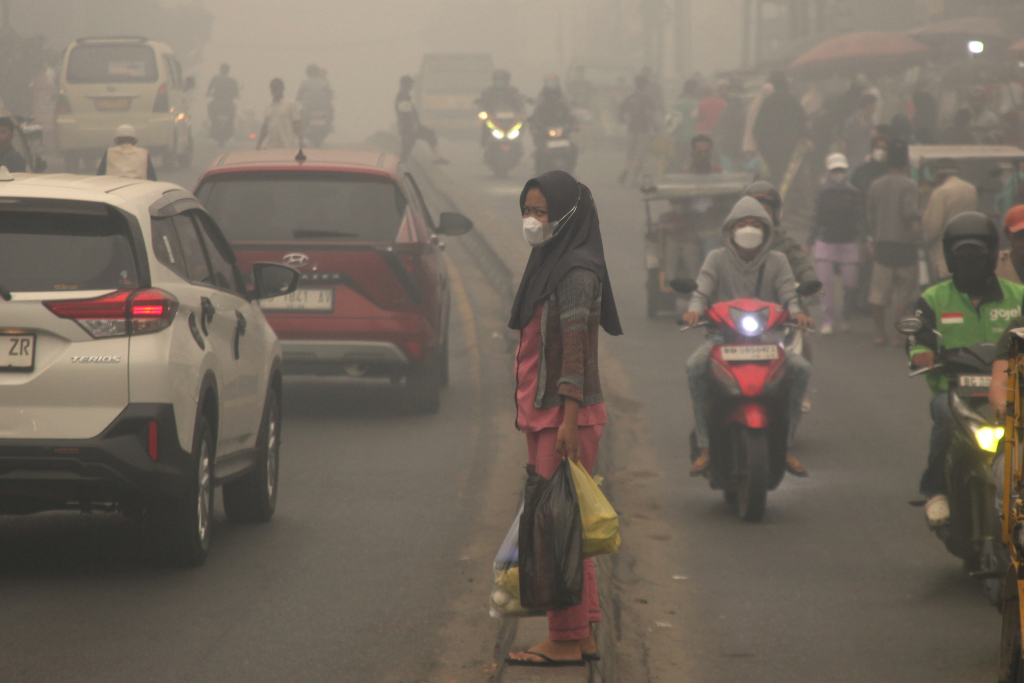
Smoke from massive forest fires in Kalimantan, Indonesia, has drifted over the capital, Jakarta, creating hazardous air quality conditions and affecting neighboring Singapore and Malaysia.
Source: thepaper.cn
The air quality in Indonesia has deteriorated rapidly as smoke from massive forest fires on the island of Kalimantan has drifted over the capital, Jakarta. This environmental crisis, driven by a combination of drought and human activity, has turned the skyline into a hazy gray and triggered health warnings across the region.
Key Facts
- Hazardous Air Quality in Palembang: The air quality index in Palembang, South Sumatra, has dropped to dangerous levels. Residents are advised to limit outdoor activities as the smoke contains harmful pollutants and suspended particulate matter.
- Satellite Confirmation of Haze Over Jakarta: The Meteorology, Climatology, and Geophysics Agency (BMKG) confirmed that the smoke from the fires in Kalimantan has spread to the capital. Satellite imagery shows the haze layer hovering approximately 2,000 to 3,000 meters above the ground.
- Cross-Border Impact on Neighbors: The pollution is not confined to Indonesia. The smoke haze has crossed national borders, significantly impacting air quality in neighboring Malaysia and Singapore.
- Surge in Respiratory Cases: The Indonesian Ministry of Health has reported a sharp increase in respiratory infections. Over 280,000 cases have been recorded in the last two months due to the smoky conditions.
- Forecast of Prolonged Fire Season: The Indonesian government warns that the forest fires, which began in July, are likely to persist until November. This forecast is largely attributed to the El Niño weather phenomenon, which is causing severe drought in the region.
In-Depth Analysis
This recurring environmental disaster highlights the critical intersection of climate change, land management, and public health in Southeast Asia. The fires in Kalimantan are not merely a seasonal nuisance; they are a systemic issue exacerbated by the El Niño effect, which dries out peatlands and vegetation, making them highly flammable.
The fact that the haze has reached the altitude of Jakarta's skyscrapers suggests the scale of the combustion is unprecedented. Unlike ground-level smog, high-altitude haze can spread over vast distances, contaminating air supplies for millions of people before settling or dissipating. This situation places immense pressure on the healthcare infrastructure of Jakarta and its surrounding areas, where hospitals are already reporting overwhelmed emergency departments dealing with smoke inhalation cases.
Furthermore, the transboundary nature of the pollution underscores the limitations of national boundaries in addressing climate and environmental crises. The smoke affecting Singapore and Malaysia is a direct result of fires in Indonesia, creating diplomatic and public health tensions among ASEAN nations. This incident serves as a stark reminder that environmental policies must be collaborative rather than isolated. As the fire season drags on into November, the economic and social costs—ranging from healthcare burdens to reduced agricultural productivity—will continue to mount, making immediate and coordinated action essential for regional stability.
Source: https://www.thepaper.cn/newsDetail_forward_34273601
Related posts
France Protests 2026: Mass Demonstrations Over Living Costs and Education
Hundreds arrested in France as millions march against fuel prices, education cuts, and public service reforms. Explore the latest updates.
COP17: Critical Moment for Biodiversity Framework Implementation
As the Kunming-Montreal Global Biodiversity Framework faces implementation challenges, COP17 must deliver concrete solutions to address funding gaps, subsidy reforms, and global cooperation.

Trump Signs Executive Order to Waive Key Sanctions on Russia Amid Energy Crisis
Trump administration exempts major parts of the Graham Bill, including 500% tariffs on Russian imports, to stabilize domestic fuel markets.

LDP Senior Official Visits Yasukuni Shrine Amid Rising Regional Tensions
Analysis of the recent high-profile visits to Yasukuni Shrine by Japanese LDP leadership, including Katsunobu Kato and Masako Okada, and their implications for regional diplomacy.

Merck CEO: Cancer Vaccine Production Timeline to Shorten
Merck and Moderna's personalized cancer vaccine is evolving. CEO Rob Davis discusses speeding up the six-week manufacturing process to reach more patients sooner.

Porsche Unveils Mission S Concept: New Flagship Design Direction
Porsche reveals Mission S concept car previewing new design language and positioning above iconic 911 as part of turnaround strategy.

AI Startup Bankruptcies: The Reverse Acquihire Trend Explained
Character.ai's bankruptcy reveals a troubling trend in the AI industry: 'reverse acquihires' by tech giants like Google. We analyze the financial and strategic implications for startups.
IMF Secretary-General Warns: Strait of Hormuz Risks Remain High Amid Rising Attacks
The Strait of Hormuz faces severe security threats, with over 110 vessels attacked since conflict escalation. Learn why global shipping is at risk and what measures are being taken.
Latest Articles
- Trump's AI to SI Rename: Political Theater or Tech Revolution?
- KFC Switches to Coca-Cola After Decades-Long Partnership with Pepsi
- Netflix Appoints Peter Rice as New Chief Content Officer to Revitalize Strategy
- Nike's India Campus Strategy Amid China Sales Decline
- China's Diplomatic Stance on Philippines: Navigating Tensions and Seeking Stability
- US Restrictions on Chinese Drones Backfire as Performance Gap Widens