France Protests 2026: Mass Demonstrations Over Living Costs and Education
Hundreds arrested in France as millions march against fuel prices, education cuts, and public service reforms. Explore the latest updates.
Source: thepaper.cn
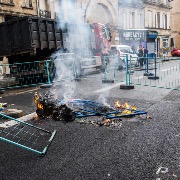
France is currently navigating its most significant social unrest in recent years, marked by massive demonstrations that have gripped the nation. What began as localized student protests has escalated into a nationwide movement, involving farmers, climate activists, and labor unions. The intensity of these gatherings has led to widespread violence, including the burning of vehicles and the destruction of public infrastructure, forcing the government to deploy significant police resources. This wave of protests highlights deep-seated public dissatisfaction with economic policies and the quality of public services.
Key Highlights
- Record-Breaking Turnout: Estimates from the French Interior Ministry indicate that approximately 550,000 people took to the streets across the country, with Paris alone hosting over 110,000 demonstrators. Unions, however, claim the actual figure exceeded 800,000.
- Widespread Arrests: The scale of the unrest has led to the arrest of hundreds of individuals. Authorities reported nearly 400 arrests, primarily concentrated in major cities like Paris, Lyon, and Marseille.
- Diverse Coalition of Protesters: The movement is unique in its composition, bringing together traditionally opposing groups. Farmers, who are often seen as conservative, are protesting alongside climate activists and student unions, united by shared grievances regarding living costs.
- Public Infrastructure Disruption: The protests have severely impacted daily life. Major transport networks in Paris were temporarily suspended, with over a dozen subway lines shutting down and numerous stations closed. Cultural institutions, such as the Louvre Museum, were forced to limit access or close entirely to ensure visitor safety.
- Government Response: Prime Minister Laurent Wauquiez has confirmed that over 1,300 individuals have been injured in the clashes, including 248 students, 937 police officers, and 149 education staff members.
In-Depth Analysis
This wave of unrest is not merely a reaction to a single policy but rather a symptom of a broader socio-economic crisis in France. The participation of farmers is particularly telling; their involvement signals that the current economic model is failing to support the agricultural sector, which is struggling with soaring fuel prices and stagnant incomes. When a sector traditionally resistant to radical change joins the fray, it indicates a systemic failure.
Furthermore, the focus on education—stemming from a series of student protests that began in mid-September—reveals a generation of French youth that feels alienated from the political process. Issues regarding teacher shortages and deteriorating school infrastructure have pushed students to the brink, transforming classroom grievances into street-level confrontation.
The government’s inability to quell these protests quickly suggests a potential erosion of public trust in state institutions. As the protests continue to spread from Paris to provincial cities like Lyon and Lille, the risk of further escalation remains high. The coming weeks will be critical in determining whether the government can de-escalate tensions or if this will become a prolonged period of instability.
Frequently Asked Questions
What are the main demands of the protesters?
The protesters are demanding immediate action on several fronts, including relief from rising fuel prices, a freeze on living costs, and significant reforms to the education and public service sectors to address chronic shortages and infrastructure decay.
How is the government responding to the violence?
The government has deployed extensive police forces to maintain order. Prime Minister Wauquiez has condemned the violence, stating that the state will not tolerate attacks on public property or citizens, while simultaneously acknowledging the need to address the underlying causes of the discontent.
Will the protests affect the upcoming elections?
While the current unrest is focused on domestic policy, the political fallout could influence the upcoming elections. The ruling coalition faces pressure to demonstrate its ability to govern effectively and manage social cohesion, making the resolution of this crisis a top priority for the administration.
Source: https://www.thepaper.cn/newsDetail_forward_34273984
Related posts
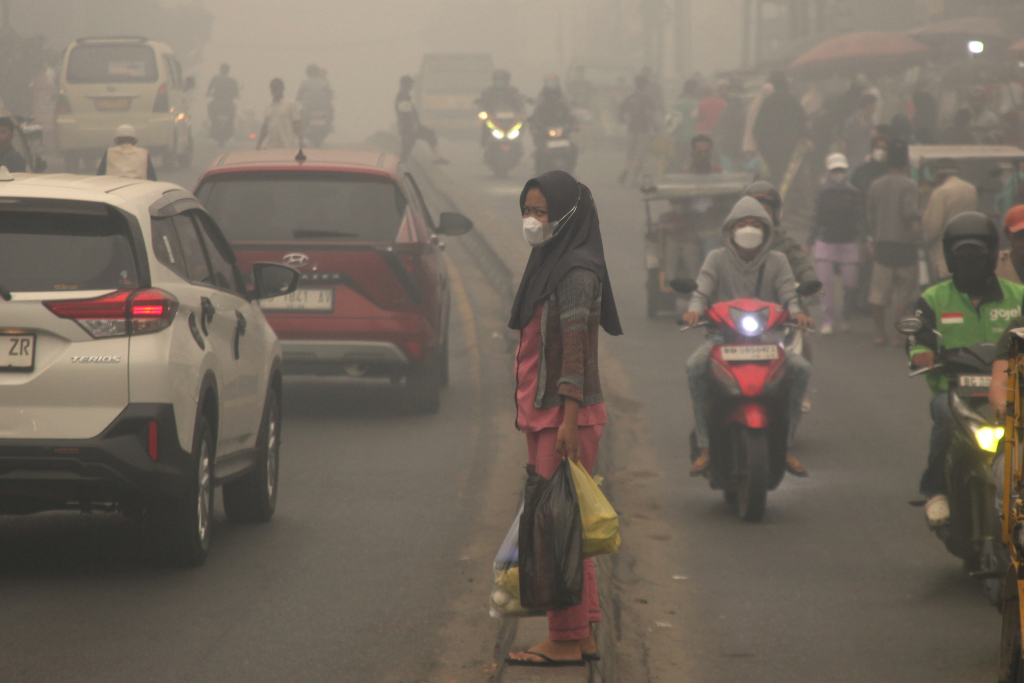
Haze from Kalimantan Forest Fires Reaches Jakarta Sky
Smoke from massive forest fires in Kalimantan, Indonesia, has drifted over the capital, Jakarta, creating hazardous air quality conditions and affecting neighboring Singapore and Malaysia.

COP17: Critical Moment for Biodiversity Framework Implementation
As the Kunming-Montreal Global Biodiversity Framework faces implementation challenges, COP17 must deliver concrete solutions to address funding gaps, subsidy reforms, and global cooperation.

Trump Signs Executive Order to Waive Key Sanctions on Russia Amid Energy Crisis
Trump administration exempts major parts of the Graham Bill, including 500% tariffs on Russian imports, to stabilize domestic fuel markets.

LDP Senior Official Visits Yasukuni Shrine Amid Rising Regional Tensions
Analysis of the recent high-profile visits to Yasukuni Shrine by Japanese LDP leadership, including Katsunobu Kato and Masako Okada, and their implications for regional diplomacy.
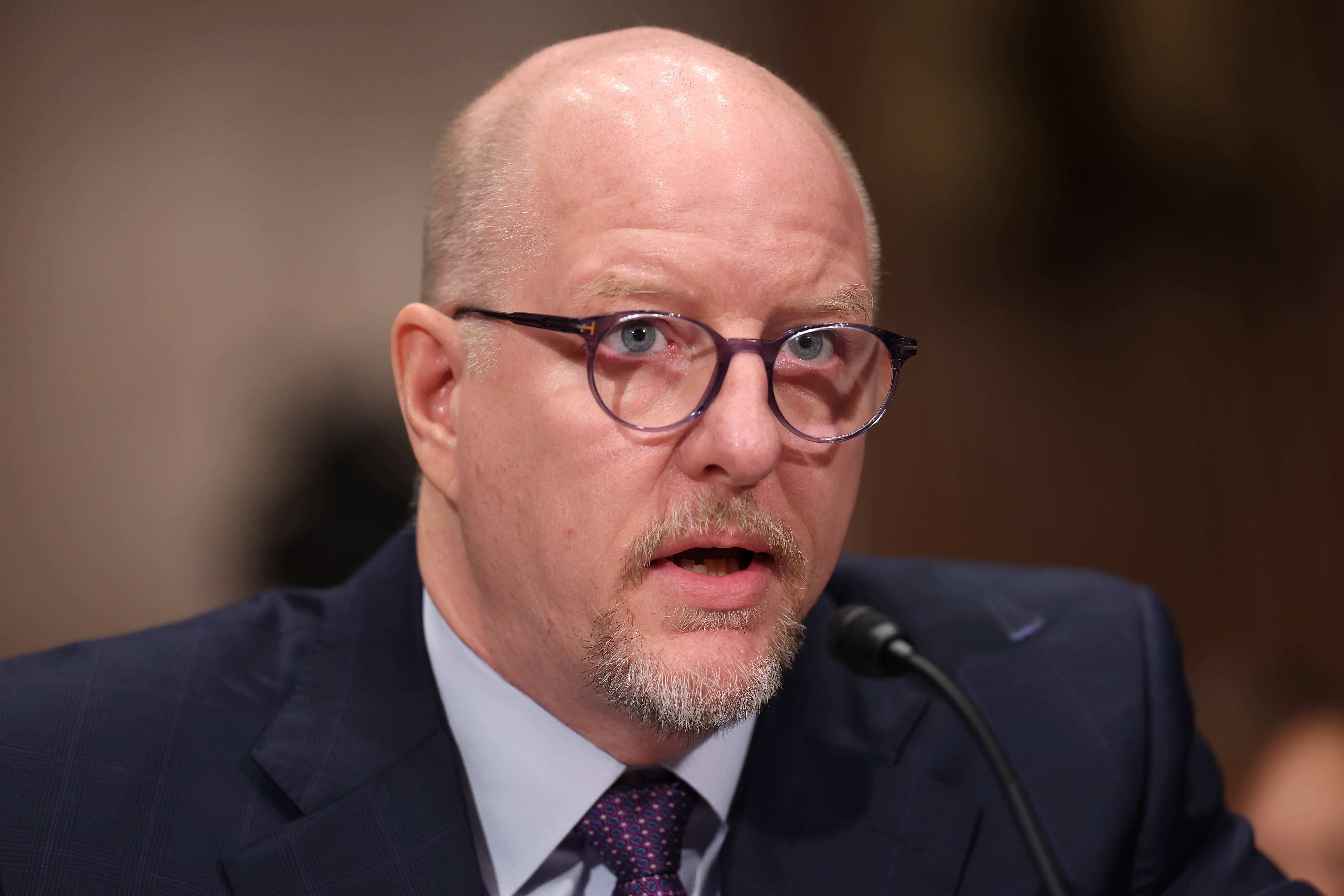
Merck CEO: Cancer Vaccine Production Timeline to Shorten
Merck and Moderna's personalized cancer vaccine is evolving. CEO Rob Davis discusses speeding up the six-week manufacturing process to reach more patients sooner.

Porsche Unveils Mission S Concept: New Flagship Design Direction
Porsche reveals Mission S concept car previewing new design language and positioning above iconic 911 as part of turnaround strategy.

AI Startup Bankruptcies: The Reverse Acquihire Trend Explained
Character.ai's bankruptcy reveals a troubling trend in the AI industry: 'reverse acquihires' by tech giants like Google. We analyze the financial and strategic implications for startups.
IMF Secretary-General Warns: Strait of Hormuz Risks Remain High Amid Rising Attacks
The Strait of Hormuz faces severe security threats, with over 110 vessels attacked since conflict escalation. Learn why global shipping is at risk and what measures are being taken.
Latest Articles
- Trump's AI to SI Rename: Political Theater or Tech Revolution?
- KFC Switches to Coca-Cola After Decades-Long Partnership with Pepsi
- Netflix Appoints Peter Rice as New Chief Content Officer to Revitalize Strategy
- Nike's India Campus Strategy Amid China Sales Decline
- China's Diplomatic Stance on Philippines: Navigating Tensions and Seeking Stability
- US Restrictions on Chinese Drones Backfire as Performance Gap Widens