High-and-Mighty Cabinet: More Officials Visit Yasukuni Shrine Amid Rising Controversy
Environment Minister Miyamoto Hiroyuki joins a growing list of conservative politicians visiting Yasukuni Shrine, sparking diplomatic tensions and domestic debate.
Source: thepaper.cn
The recent surge in visits to the Yasukuni Shrine by members of the Japanese government's highest cabinet has reignited a volatile debate over historical memory and national identity. As the autumn grand festival approaches, the act of paying homage at this controversial site has evolved from a routine political gesture into a potent symbol of defiance and diplomatic friction. This pattern of behavior by the current administration suggests a deliberate strategy to consolidate support among nationalist factions, yet it risks alienating key international partners and undermining Japan's post-war pacifist stance.
Key Developments
-
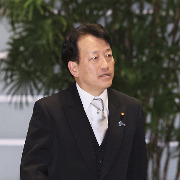
Environment Minister Miyamoto Visits: According to a report by Kyodo News, Environment Minister Miyamoto Hiroyuki paid a visit to the Yasukuni Shrine on October 19th, marking another high-profile participation in the ongoing autumn ceremonies.
-
A Pattern of Conservative Visits: This is not an isolated incident. The trend was established earlier this month when Economic and Fiscal Policy Minister Saito Minoru and Land, Infrastructure, Transport, and Tourism Minister Ibaragi Tatsunori also performed their visits during the same festival period.
-
The Shrine's Controversial Legacy: Located in Chiyoda, Tokyo, the Yasukuni Shrine is the focal point of this diplomatic friction. It enshrines 14 Class-A war criminals from World War II, including the wartime Prime Minister Hideki Tojo. This inclusion has historically been viewed as a glorification of Japan's militaristic past.
-
Domestic and International Backlash: The repeated visits by sitting cabinet ministers are met with strong condemnation from both Japanese citizens who value peace and international observers concerned about historical revisionism. The actions are seen as a direct challenge to the principles of pacifism that have defined Japan's post-1945 foreign policy.
Deep Dive Analysis
The recent spate of cabinet-level visits to Yasukuni Shrine by the High-and-Mighty (Kōchi) administration represents a calculated political maneuver with significant geopolitical implications. Unlike previous administrations that often sent private offerings or visited during periods when ministers were not in office, these current officials are participating while serving in their official capacities. This signals a shift toward a more assertive, right-leaning nationalism that seeks to reshape the narrative of Japan's wartime history.
From a market and diplomatic perspective, this strategy carries substantial risks. While it may solidify support within the conservative base, it complicates Japan's relationships with neighboring countries, particularly China and South Korea, which view the shrine as a symbol of aggression. Furthermore, in an era of global supply chain realignment, such domestic political volatility can deter foreign investment and disrupt diplomatic cooperation on critical issues ranging from security to climate change. The administration seems willing to prioritize ideological signaling over diplomatic pragmatism, a choice that could have long-term repercussions for Japan's soft power and international standing.
Frequently Asked Questions
Why is the Yasukuni Shrine so controversial?
The shrine is deeply divisive because it honors the spirits of 2.4 million people who died for the Japanese Empire, including 14 Class-A war criminals convicted by the International Military Tribunal for the Far East. Visiting the shrine is interpreted by many, especially in Asia, as an endorsement of Japan's militaristic past and a refusal to fully atone for the atrocities committed during World War II.
How does this affect Japan's international relations?
High-level visits to the shrine are a major irritant in Japan's relations with China and South Korea. They are often cited as evidence that Japan has not adequately addressed its wartime history, leading to diplomatic protests, strained cultural exchanges, and difficulties in resolving territorial and historical disputes.
What is the domestic political impact of these visits?
Domestically, the visits polarize the public. Supporters argue that the shrine is a place of peace and that politicians have the right to visit without external interference. Opponents, including many within the ruling party and the business community, argue that these visits damage Japan's reputation and hinder its efforts to be a leader in international peacekeeping.
Source: https://www.thepaper.cn/newsDetail_forward_34281052
Related posts

Oil Exports Plummet as Iran Increases Attacks in Strait of Hormuz
Three oil tankers hit by mines in one week, causing a sharp drop in global crude exports. Read the analysis of the escalating crisis.
Shanghai's Cultural Renaissance: Festival, Theater, and Consortium Illuminate the City's Artistic Future
Exploring how Shanghai's 25th International Arts Festival, Grand Theater, and Performing Arts Consortium are transforming the city into a global cultural hub through innovative programming and accessible art experiences.
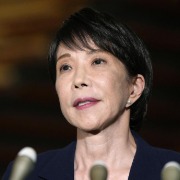
Japan's High-profile Yasukuni Shrine Visit: A Challenge to Post-War Order
Prime Minister Sanae Takaichi and over 70 lawmakers attend the autumn festival, provoking international condemnation.

Netflix cuts 1,000 jobs as streaming growth slows and competition intensifies
Netflix lays off 6% of its workforce amid stagnating viewership and the rise of competitors like Skydance and YouTube.

U.S. Loosens Fuel Economy Rules: Boost for V-8 Engines and Pickup Trucks
The U.S. lowers fuel economy targets to 34.9 mpg by 2031. Automakers see a financial tailwind, leading to a resurgence of V-8 engines and a shift away from compliance-focused EV investments.

Noah Adams: NPR Icon And Voice For Rural America
Explore the legacy of NPR's Noah Adams, a master storyteller who captured the soul of rural America and shaped public radio journalism for decades.

Social Security Benefits Boost, Russia-Ukraine War Updates, And Global Geopolitical Shifts
Explore the latest Social Security increase, the strategic implications of Russia's Starshield, and the Houthis' attack on Aramco in this comprehensive global analysis.

COP17: Critical Moment for Biodiversity Framework Implementation
As the Kunming-Montreal Global Biodiversity Framework faces implementation challenges, COP17 must deliver concrete solutions to address funding gaps, subsidy reforms, and global cooperation.
Latest Articles
- Iran's Deep Involvement in Yemen Conflict and Egypt's Potential Military Intervention
- Haze from Kalimantan Forest Fires Reaches Jakarta Sky
- France Protests 2026: Mass Demonstrations Over Living Costs and Education
- Trump Signs Executive Order to Waive Key Sanctions on Russia Amid Energy Crisis
- LDP Senior Official Visits Yasukuni Shrine Amid Rising Regional Tensions
- Merck CEO: Cancer Vaccine Production Timeline to Shorten