Shanghai's Cultural Renaissance: Festival, Theater, and Consortium Illuminate the City's Artistic Future
Exploring how Shanghai's 25th International Arts Festival, Grand Theater, and Performing Arts Consortium are transforming the city into a global cultural hub through innovative programming and accessible art experiences.
Source: thepaper.cn
In an era where cities worldwide compete for cultural prominence, Shanghai has emerged as a beacon of artistic innovation and accessibility. The convergence of three major cultural initiatives—the 25th China Shanghai International Arts Festival, the inauguration of the Shanghai Grand Theater, and the establishment of the Shanghai Performing Arts Consortium—marks a pivotal moment in the city's cultural evolution. These developments not only showcase Shanghai's commitment to elevating its artistic landscape but also demonstrate how cultural institutions can serve as catalysts for urban transformation and community engagement.
Key Developments
-
The 25th China Shanghai International Arts Festival: Running throughout October, this year's festival features nearly 1,100 performances and exhibitions, with 90% of stage productions being premieres in Shanghai. The festival's theme, "Art, Lighting the City's '25th Hour,'" reflects its mission to extend artistic experiences beyond conventional timeframes, making art an integral part of daily urban life.
-
Shanghai Grand Theater: Designed as a "Chinese fan," this architectural marvel has quickly become a cultural landmark since its opening. With three main performance spaces totaling 4,200 seats, the theater offers both world-class performances and public cultural experiences. Its 10,000-square-meter public observation deck provides breathtaking views of the Huangpu River and the city skyline, embodying the theater's vision as both a performance venue and a "cultural living room" for the city.
-
Shanghai Performing Arts Consortium: This new entity represents a strategic consolidation of the city's state-owned performing arts resources. By systematically restructuring and integrating 18 municipal arts troupes, the consortium aims to establish Shanghai as a premier destination for artistic creation, industry aggregation, and talent cultivation.
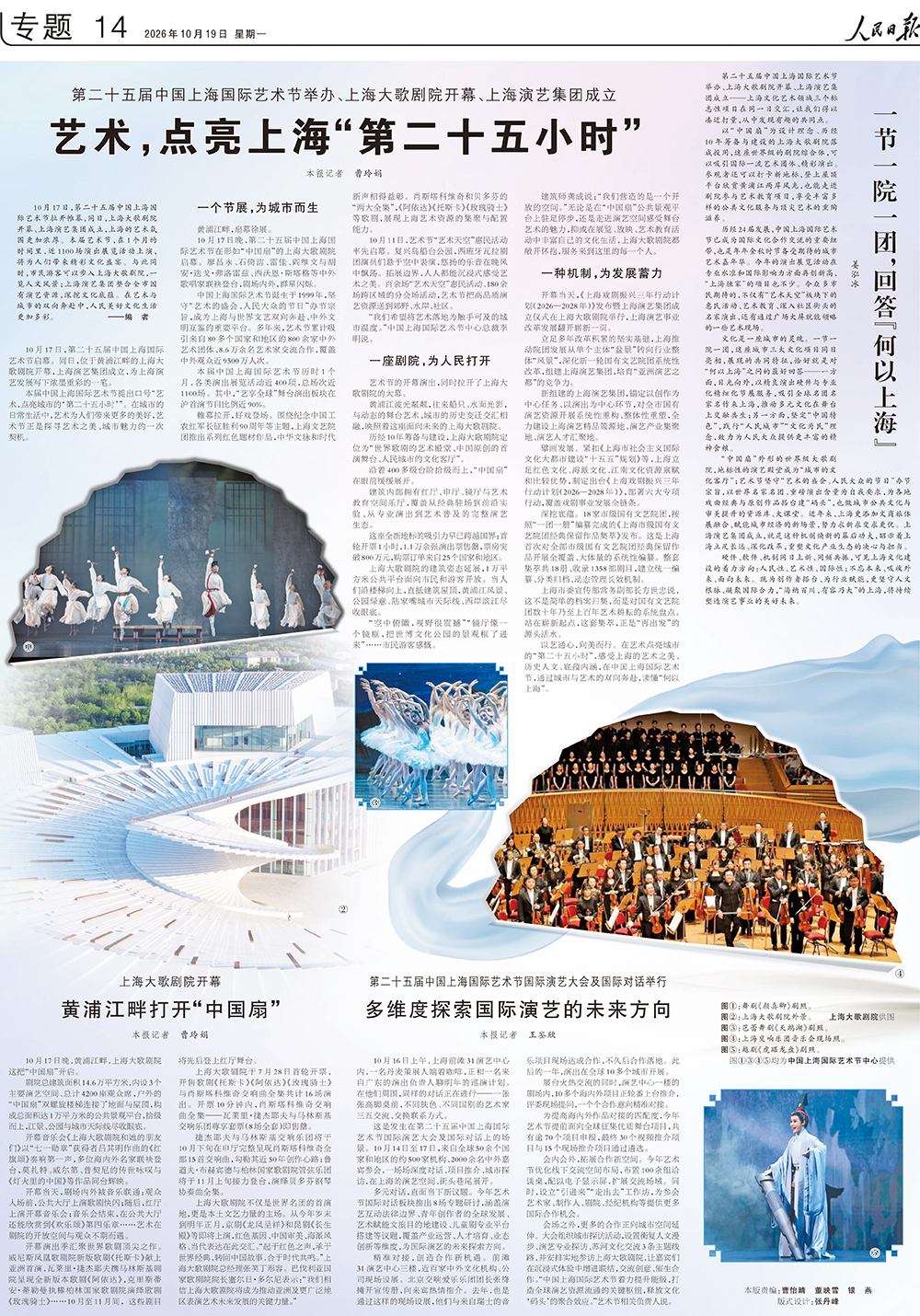
In-depth Analysis
The convergence of these three cultural initiatives represents more than just administrative or architectural achievements; it signifies a comprehensive strategy to position Shanghai as a global cultural capital. The Shanghai Grand Theater, with its world-class facilities and ambitious programming featuring productions like Verdi's "Aida" and Strauss's "Der Rosenkavalier," demonstrates the city's ability to attract and present top-tier international performances while simultaneously showcasing Chinese cultural productions.
The festival's expansion into public spaces through initiatives like "Art Sky"—which presents performances in parks, waterfronts, and communities—reflects a commitment to democratizing cultural access. This approach aligns with Shanghai's broader urban philosophy of integrating art into the fabric of daily life, rather than confining it to traditional performance spaces.
The establishment of the Shanghai Performing Arts Consortium addresses long-standing challenges in China's cultural sector by creating a more efficient resource allocation system and fostering greater collaboration among arts institutions. This structural reform, coupled with the publication of the "Classic Retained Works Collection" documenting 1,358 productions from 18 municipal troupes, represents both preservation of cultural heritage and forward-looking development.
Looking ahead, these initiatives position Shanghai to compete with established cultural capitals like New York, London, and Paris. The city's unique approach—combining international excellence with local character, private enterprise with public support, and traditional art forms with contemporary innovation—offers a model for cultural development that could influence cities worldwide.
Frequently Asked Questions
What makes Shanghai's cultural initiatives unique compared to other global cities? Shanghai's approach distinguishes itself through its integration of multiple cultural dimensions simultaneously—world-class performance venues, accessible public programming, and systematic industry reform—all working in concert to create a comprehensive cultural ecosystem that serves both international audiences and local communities.
How does Shanghai ensure accessibility to these cultural offerings for all residents? The city implements various strategies including free outdoor performances through the "Art Sky" program, community-based activities, educational initiatives, and discounted ticket options. The Shanghai Grand Theater's public spaces and observation deck are freely accessible, while the festival distributes numerous free tickets to ensure broad participation.
What impact do these cultural initiatives have on Shanghai's broader economy and urban development? Beyond their cultural significance, these initiatives stimulate economic growth through tourism, create employment opportunities in the creative sector, enhance the city's global reputation, and contribute to urban renewal—particularly in areas like the Huangpu River waterfront where the Grand Theater is located.
Source: https://www.thepaper.cn/newsDetail_forward_34278339
Related posts
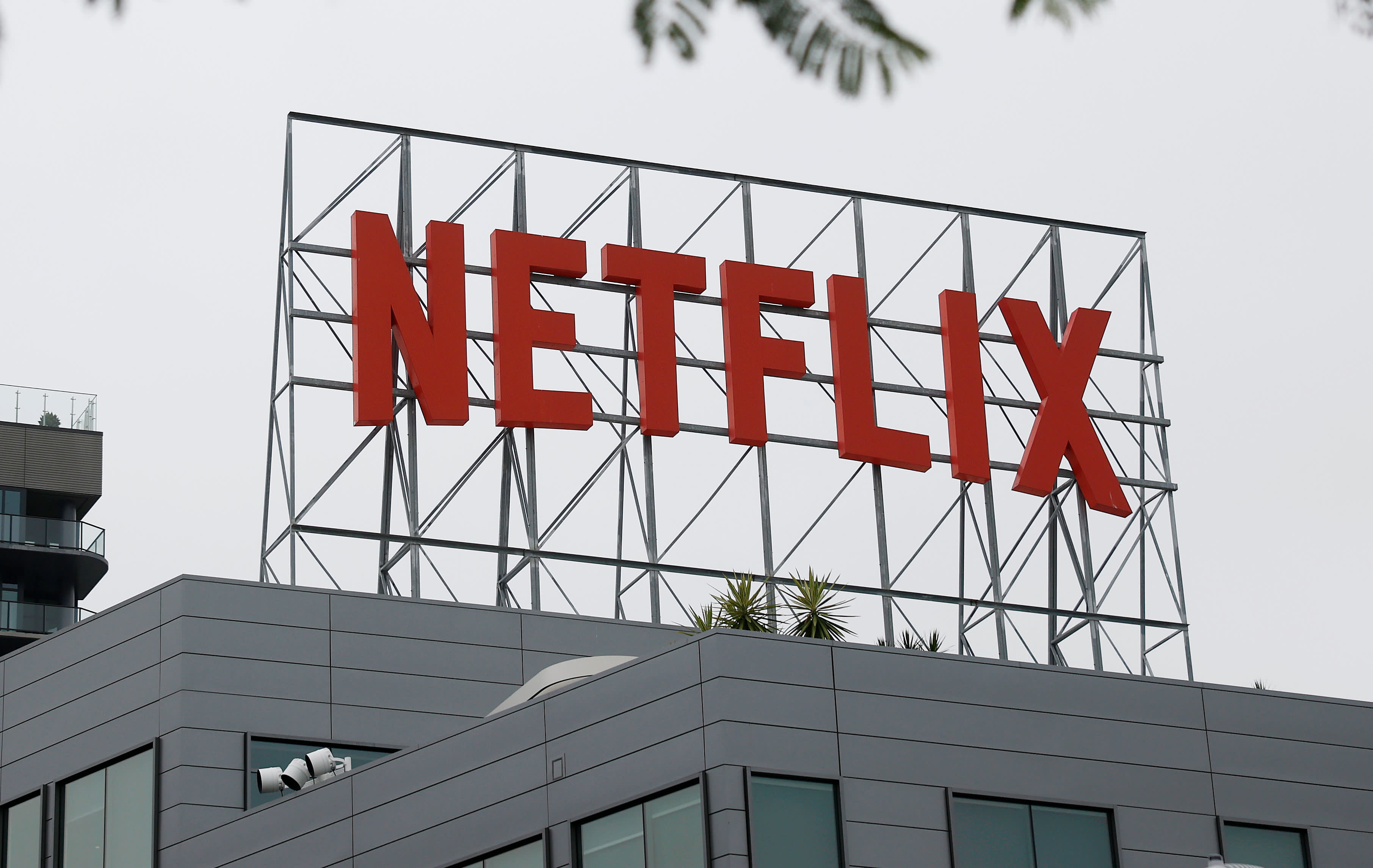
Netflix cuts 1,000 jobs as streaming growth slows and competition intensifies
Netflix lays off 6% of its workforce amid stagnating viewership and the rise of competitors like Skydance and YouTube.

U.S. Loosens Fuel Economy Rules: Boost for V-8 Engines and Pickup Trucks
The U.S. lowers fuel economy targets to 34.9 mpg by 2031. Automakers see a financial tailwind, leading to a resurgence of V-8 engines and a shift away from compliance-focused EV investments.

Noah Adams: NPR Icon And Voice For Rural America
Explore the legacy of NPR's Noah Adams, a master storyteller who captured the soul of rural America and shaped public radio journalism for decades.

Social Security Benefits Boost, Russia-Ukraine War Updates, And Global Geopolitical Shifts
Explore the latest Social Security increase, the strategic implications of Russia's Starshield, and the Houthis' attack on Aramco in this comprehensive global analysis.
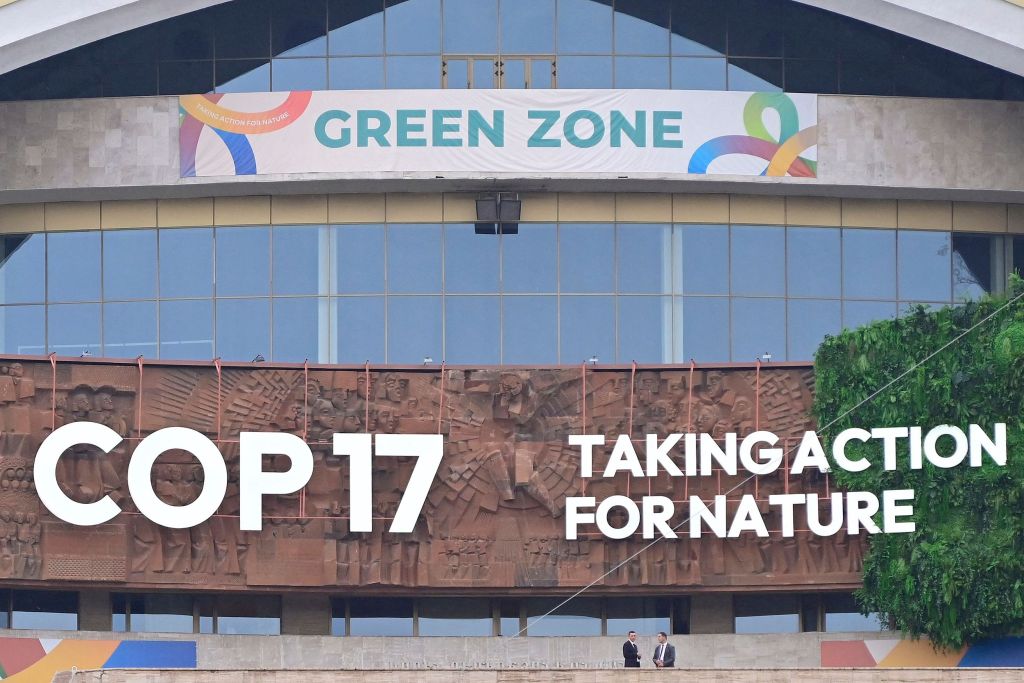
COP17: Critical Moment for Biodiversity Framework Implementation
As the Kunming-Montreal Global Biodiversity Framework faces implementation challenges, COP17 must deliver concrete solutions to address funding gaps, subsidy reforms, and global cooperation.
Iran's Deep Involvement in Yemen Conflict and Egypt's Potential Military Intervention
Saudi Arabia faces critical shortages in air defense due to Houthi attacks, prompting urgent requests for help. Reports reveal Iran's intelligence support for Houthi strikes, while Egypt prepares to defend Saudi sovereignty.
Haze from Kalimantan Forest Fires Reaches Jakarta Sky
Smoke from massive forest fires in Kalimantan, Indonesia, has drifted over the capital, Jakarta, creating hazardous air quality conditions and affecting neighboring Singapore and Malaysia.
France Protests 2026: Mass Demonstrations Over Living Costs and Education
Hundreds arrested in France as millions march against fuel prices, education cuts, and public service reforms. Explore the latest updates.
Latest Articles
- Trump Signs Executive Order to Waive Key Sanctions on Russia Amid Energy Crisis
- LDP Senior Official Visits Yasukuni Shrine Amid Rising Regional Tensions
- Merck CEO: Cancer Vaccine Production Timeline to Shorten
- Porsche Unveils Mission S Concept: New Flagship Design Direction
- AI Startup Bankruptcies: The Reverse Acquihire Trend Explained
- IMF Secretary-General Warns: Strait of Hormuz Risks Remain High Amid Rising Attacks