Food Bank Lines Surge Ahead of Midterms: US Families Face Inflation and Welfare Cuts
As inflation and federal budget cuts tighten their grip, long lines are forming at US food banks. This is the reality facing American families ahead of the 2026 midterm elections.
Source: thepaper.cn
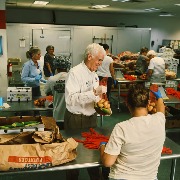
In the foothills of Virginia's Blue Ridge Mountains, the weekly ritual of Chris Manno at the "River City Basket" food pantry has taken on a new, somber significance. Once a volunteer, Manno now stands at the back of the line, her monthly food assistance slashed by approximately $300. For her, the pantry has shifted from a supplement to a lifeline. This scenario is not isolated; it is a growing national trend.
As the 2026 midterm elections approach, the surge in food bank visits serves as a stark barometer of economic distress. Families across the United States are navigating a 'perfect storm' of rising costs and shrinking government support, turning to community organizations for survival.
Key Highlights
- Widespread Strain: According to a survey by NBC, nearly three-quarters of major US food assistance agencies report a significant increase in people seeking help over the past year.
- Role Transformation: Food banks are evolving from emergency shelters for extreme poverty into essential components of the social safety net infrastructure for working families.
- Rising Costs: While overall inflation is 3.7%, food prices have surged by 30% since 2019, outpacing wage growth for many.
- Policy Impact: Federal cuts to the Supplemental Nutrition Assistance Program (SNAP) have resulted in approximately 5 million people losing benefits in the past year alone.
- Hidden Crisis: Official statistics are often delayed; however, social service hotlines and food bank reports indicate a crisis that is far more acute than current data suggests.
In-Depth Analysis
The current situation in the United States reveals a deepening disconnect between economic indicators and the lived reality of the working class. The transition of food banks from temporary relief centers to permanent fixtures in the community infrastructure highlights a structural failure in the social safety net. This is not merely a seasonal issue but a result of prolonged fiscal tightening.
The political landscape adds another layer of complexity. With the midterm elections on the horizon, the economic policies of the Trump administration—specifically the aggressive cuts to SNAP and anti-waste measures—are under intense scrutiny. The narrative of 'fighting waste' clashes directly with the reality of families like Jaclyn Marquez, a cooking instructor in New Mexico, who has had to cancel medical appointments to afford groceries for her food-allergic daughter.
Furthermore, the data suggests a silent emergency. The USDA's decision to halt the annual Household Food Security report in September 2025 has created a gap in official tracking. Yet, anecdotal evidence from the ground tells a story of desperation. In Florida, individuals like Celia Rosas arrive before dawn to secure a spot in line, a testament to the fierce competition for limited resources. This environment of scarcity is fueled by a combination of geopolitical inflation, stagnant wages, and policy shifts that prioritize fiscal consolidation over immediate human needs. The food bank lines are not just lines for food; they are lines drawn in the sand by a society grappling with the consequences of its economic choices.
Source: https://www.thepaper.cn/newsDetail_forward_34281277
Related posts

Oil Exports Plummet as Iran Increases Attacks in Strait of Hormuz
Three oil tankers hit by mines in one week, causing a sharp drop in global crude exports. Read the analysis of the escalating crisis.

High-and-Mighty Cabinet: More Officials Visit Yasukuni Shrine Amid Rising Controversy
Environment Minister Miyamoto Hiroyuki joins a growing list of conservative politicians visiting Yasukuni Shrine, sparking diplomatic tensions and domestic debate.

Shanghai's Cultural Renaissance: Festival, Theater, and Consortium Illuminate the City's Artistic Future
Exploring how Shanghai's 25th International Arts Festival, Grand Theater, and Performing Arts Consortium are transforming the city into a global cultural hub through innovative programming and accessible art experiences.
Japan's High-profile Yasukuni Shrine Visit: A Challenge to Post-War Order
Prime Minister Sanae Takaichi and over 70 lawmakers attend the autumn festival, provoking international condemnation.
Netflix cuts 1,000 jobs as streaming growth slows and competition intensifies
Netflix lays off 6% of its workforce amid stagnating viewership and the rise of competitors like Skydance and YouTube.

U.S. Loosens Fuel Economy Rules: Boost for V-8 Engines and Pickup Trucks
The U.S. lowers fuel economy targets to 34.9 mpg by 2031. Automakers see a financial tailwind, leading to a resurgence of V-8 engines and a shift away from compliance-focused EV investments.

Noah Adams: NPR Icon And Voice For Rural America
Explore the legacy of NPR's Noah Adams, a master storyteller who captured the soul of rural America and shaped public radio journalism for decades.

Social Security Benefits Boost, Russia-Ukraine War Updates, And Global Geopolitical Shifts
Explore the latest Social Security increase, the strategic implications of Russia's Starshield, and the Houthis' attack on Aramco in this comprehensive global analysis.
Latest Articles
- COP17: Critical Moment for Biodiversity Framework Implementation
- Iran's Deep Involvement in Yemen Conflict and Egypt's Potential Military Intervention
- Haze from Kalimantan Forest Fires Reaches Jakarta Sky
- France Protests 2026: Mass Demonstrations Over Living Costs and Education
- Trump Signs Executive Order to Waive Key Sanctions on Russia Amid Energy Crisis
- LDP Senior Official Visits Yasukuni Shrine Amid Rising Regional Tensions