Japanese Politicians' Yasukuni Shrine Visits Spark International Concern
Recent visits by Japanese officials to the controversial war shrine raise alarms about historical revisionism and militarization in the region.
Source: thepaper.cn
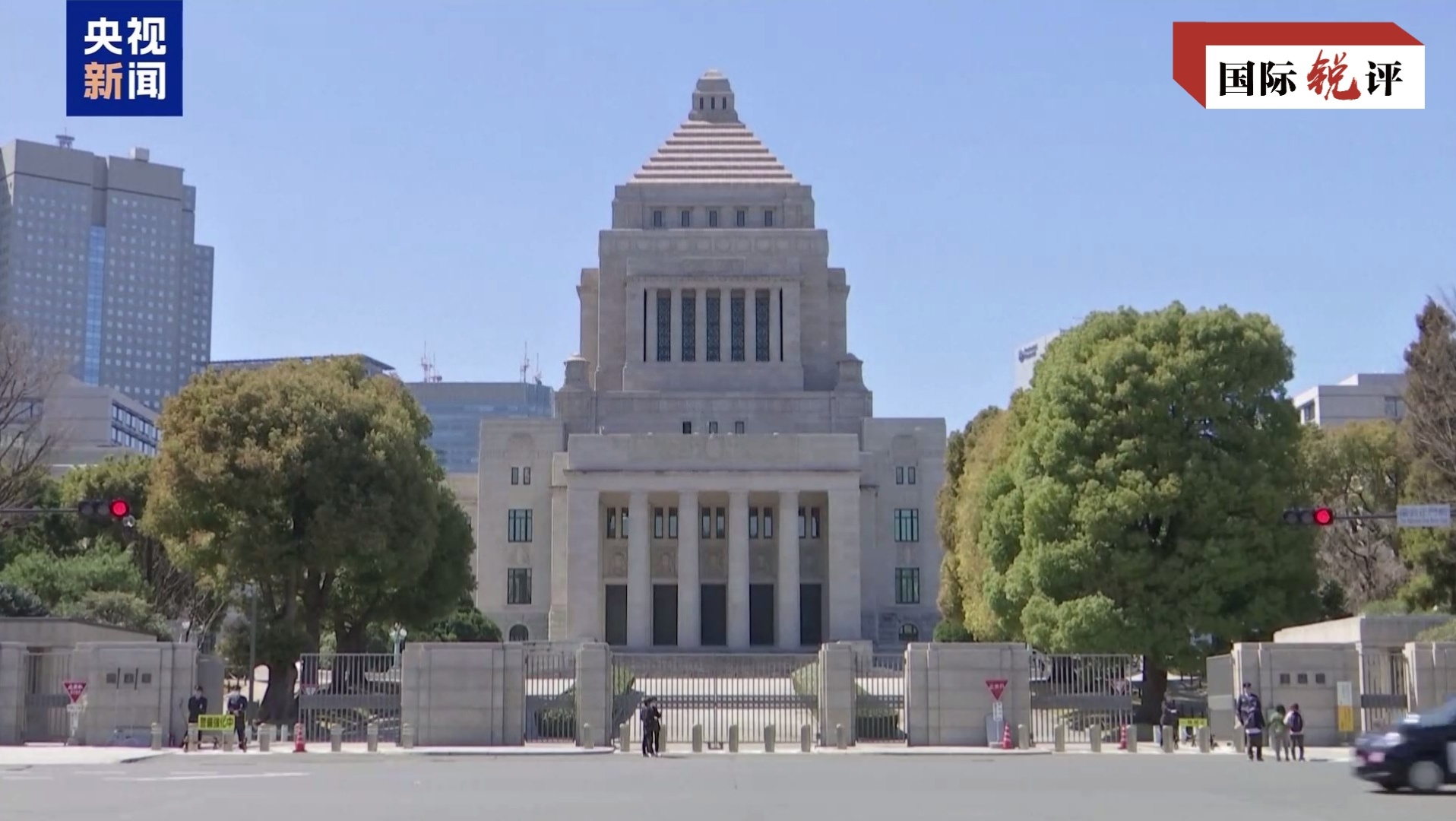
In a year marking the 80th anniversary of the Tokyo Trials, Japanese Prime Minister Yuriko Koike and other cabinet members have made offerings to the Yasukuni Shrine, a move that has drawn sharp criticism from neighboring countries and international observers. These visits come at a particularly sensitive time, raising questions about Japan's commitment to historical accountability and its growing military ambitions. The timing and frequency of these visits suggest a deliberate pattern that goes beyond mere religious observance, potentially signaling a dangerous shift in Japan's relationship with its wartime past and its regional neighbors.
Key Points
-
Historical Significance: Yasukuni Shrine is not an ordinary religious site but houses the remains of 14 Class-A war criminals, including Hideki Tojo and Iwane Matsui, who were convicted of war crimes during the Tokyo Trials after World War II. The shrine has become a potent symbol of Japan's militarist past and continues to be a source of tension in East Asian relations.
-
Political Context: Prime Minister Koike has visited the shrine multiple times over the past two decades, once describing it as a "peaceful place." These visits occur alongside other actions by Japanese officials that appear to challenge the post-war international order established after Japan's defeat in 1945.
-
International Reaction: China's Foreign Ministry has expressed "firm opposition and stern condemnation" of the visits, while South Korea has urged Japanese leaders to "face history squarely." The reactions highlight how these actions continue to strain diplomatic relations between Japan and its neighbors.
-
Historical Revisionism: The visits are part of a broader pattern of historical revisionism in Japan, including textbook alterations and political rhetoric that attempts to reframe Japan's wartime actions as "liberating" Asia rather than aggressive imperialism. Recent reports even suggest Japanese right-wing groups have attempted to manipulate AI models to distort global understanding of WWII history.
-
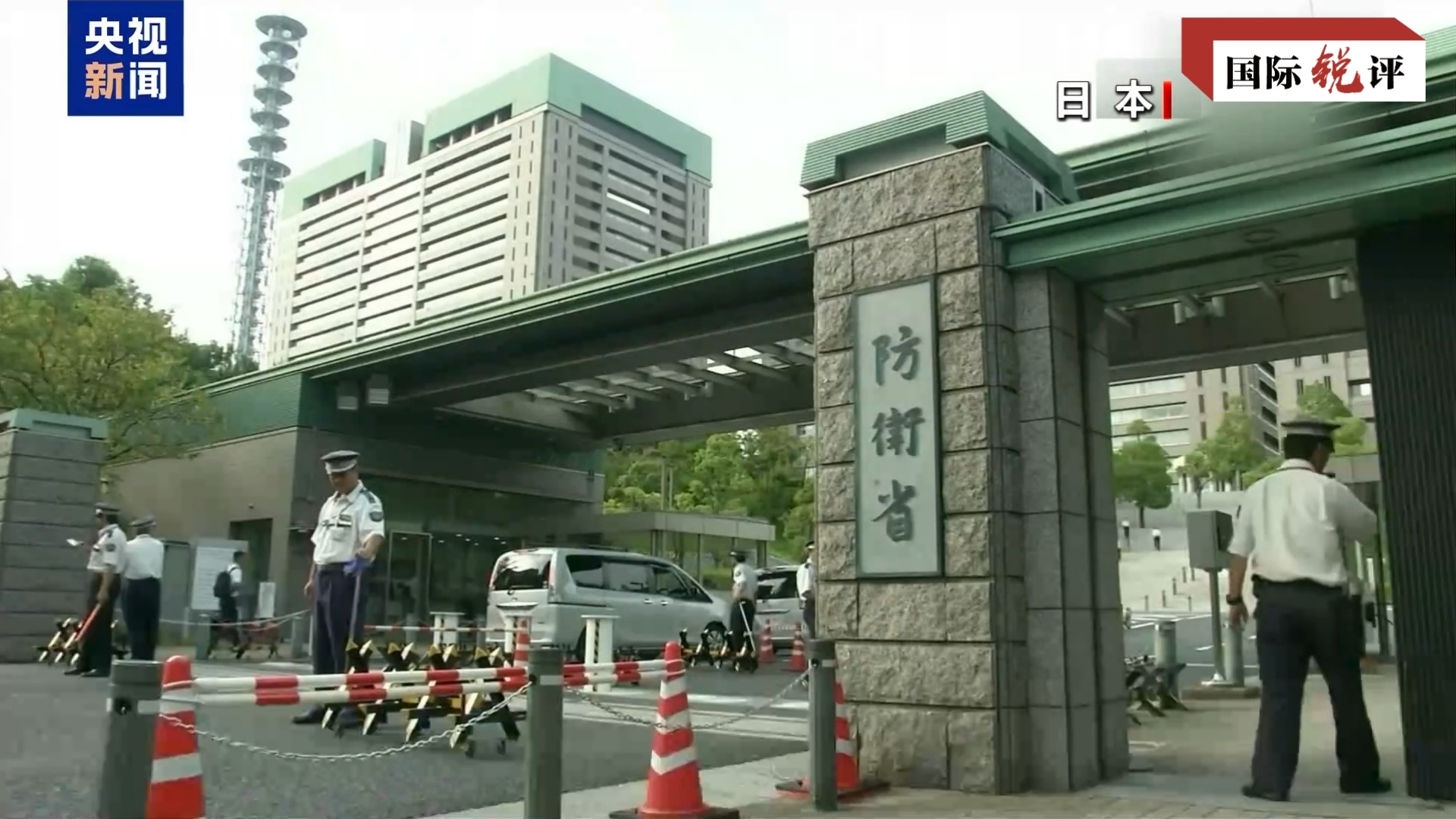
Military Implications: These visits occur alongside Japan's significant military expansion, including plans to increase defense spending by 70-80 trillion yen over the next five years, consideration of nuclear-powered submarines, and potential changes to its "Three Non-Nuclear Principles." Critics see these developments as interconnected efforts to normalize militarism in Japan.
In-depth Analysis
The recent Yasukuni Shrine visits represent more than just a domestic political issue in Japan; they reflect a dangerous convergence of historical revisionism and accelerating militarization. By honoring individuals convicted of war crimes, Japanese politicians are implicitly challenging the legitimacy of the Tokyo Trials and the post-war international order that emerged from them. This historical revisionism serves multiple purposes: it attempts to rehabilitate Japan's wartime legacy, erode domestic anti-war sentiment, and create a more permissive environment for military expansion.
The timing of these visits is particularly noteworthy, occurring as Japan seeks to modify its constitutional constraints on military power and increase defense spending. By invoking historical narratives that cast Japan as a victim rather than aggressor, right-wing politicians can more easily justify military buildup and rearmament. This pattern resembles the pre-war militarist era when historical revisionism preceded Japan's expansionist policies.
International observers, including Japanese academics like Masahiko Shimizu of Japan Sports University, have drawn direct parallels between current actions and pre-1945 militarism, noting that "Japanese politicians visiting Yasukuni is like German leaders visiting Hitler's grave." Such comparisons underscore the gravity of the situation and why neighboring countries view these developments with alarm.
As Japan continues down this path, it risks isolating itself internationally and destabilizing regional security. The historical memory of Japan's wartime actions remains deeply ingrained in the consciousness of neighboring countries, and attempts to rewrite this history will inevitably provoke strong reactions. The challenge for Japan is to reconcile its desire for greater military autonomy with the need to maintain peaceful relations with its neighbors and uphold the principles of international justice.
Frequently Asked Questions
Why are Japanese politicians visiting Yasukuni Shrine controversial? The visits are controversial because Yasukuni Shrine honors 14 Class-A war criminals convicted by the International Military Tribunal for the Far East after World War II. These individuals were responsible for numerous war crimes, including the Nanking Massacre and the systematic use of comfort women. By honoring them, Japanese politicians appear to be rejecting the legitimacy of the Tokyo Trials and the post-war international order.
How do these visits affect Japan's relations with neighboring countries? The visits significantly strain Japan's relations with China and South Korea, both of which suffered immensely under Japanese occupation during World War II. These countries view the visits as evidence that Japan has not fully come to terms with its wartime past, making it difficult to build trust and cooperation on regional security and economic issues.
What connection exists between Yasukuni visits and Japan's military expansion? The visits are part of a broader strategy to normalize militarism in Japan by eroding the pacifist principles established after the war. By revising historical narratives and honoring war criminals, right-wing politicians aim to weaken domestic opposition to military expansion and create a more permissive environment for rearmament and constitutional changes that would allow Japan to become a "normal" military power.
Source: https://www.thepaper.cn/newsDetail_forward_34287422
Related posts
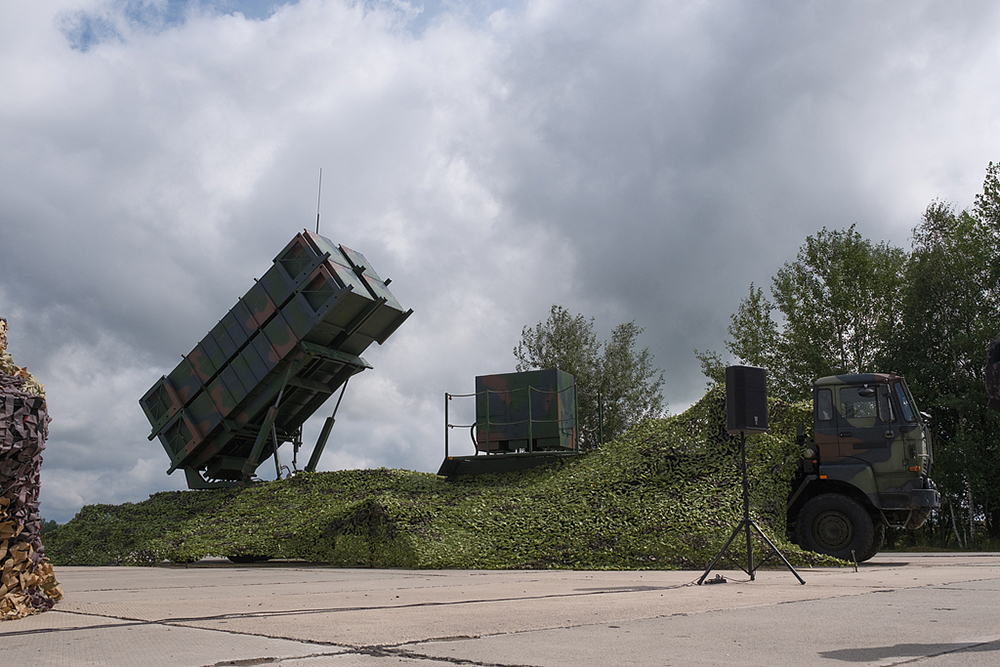
Patriot Missile Holdback: Ukraine Faces Its Darkest Hour Since War Began
US delays critical missile transfers as Ukraine confronts its most challenging period since the conflict began, with dire implications for national defense.
JPMorgan Chase's $5 Billion Defense Strategy: Robot Factories & Hypersonic Missiles
JPMorgan invests $5B in defense startups like Hadrian and Castelion to secure US supply chains against geopolitical threats.

Netflix cuts 1,000 jobs as streaming growth slows and competition intensifies
Netflix lays off 6% of its workforce amid stagnating viewership and the rise of competitors like Skydance and YouTube.
Shanghai's Cultural Renaissance: Festival, Theater, and Consortium Illuminate the City's Artistic Future
Exploring how Shanghai's 25th International Arts Festival, Grand Theater, and Performing Arts Consortium are transforming the city into a global cultural hub through innovative programming and accessible art experiences.
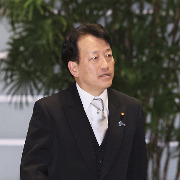
High-and-Mighty Cabinet: More Officials Visit Yasukuni Shrine Amid Rising Controversy
Environment Minister Miyamoto Hiroyuki joins a growing list of conservative politicians visiting Yasukuni Shrine, sparking diplomatic tensions and domestic debate.
Oil Exports Plummet as Iran Increases Attacks in Strait of Hormuz
Three oil tankers hit by mines in one week, causing a sharp drop in global crude exports. Read the analysis of the escalating crisis.

Food Bank Lines Surge Ahead of Midterms: US Families Face Inflation and Welfare Cuts
As inflation and federal budget cuts tighten their grip, long lines are forming at US food banks. This is the reality facing American families ahead of the 2026 midterm elections.
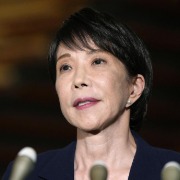
Japan's High-profile Yasukuni Shrine Visit: A Challenge to Post-War Order
Prime Minister Sanae Takaichi and over 70 lawmakers attend the autumn festival, provoking international condemnation.
Latest Articles
- U.S. Loosens Fuel Economy Rules: Boost for V-8 Engines and Pickup Trucks
- Noah Adams: NPR Icon And Voice For Rural America
- Social Security Benefits Boost, Russia-Ukraine War Updates, And Global Geopolitical Shifts
- COP17: Critical Moment for Biodiversity Framework Implementation
- Iran's Deep Involvement in Yemen Conflict and Egypt's Potential Military Intervention
- Haze from Kalimantan Forest Fires Reaches Jakarta Sky