Japanese Telecom Giant Admits CEO's Actions Caused Massive Mongolia Grassland Fire
KDDI admits its subsidiary Mobicon's CEO triggered a 530,000-hectare fire in Mongolia's Numrug Nature Reserve during a 4G trial, sparking international outrage.
Source: thepaper.cn
A catastrophic environmental disaster has struck Mongolia, triggered not by natural causes, but by the negligence of a high-ranking executive from a major Japanese telecommunications company. The revelation that a CEO's recreational activities directly led to the burning of a vast national park has sparked intense scrutiny regarding corporate responsibility and the fragility of fragile ecosystems. This incident serves as a stark warning about the intersection of technological expansion and environmental preservation.
Key Points
- KDDI Admits Responsibility: Japan's KDDI Corporation has officially acknowledged that the subsidiary Mobicon's Japanese CEO was present in the Numrug Nature Reserve when the fire started.
- Cause Identified as Vehicle Traffic: The company confirmed that the high-ranking official's vehicle ignited dry grass while driving, leading to the uncontrollable blaze.
- Illegal Activity Alleged: While KDDI claimed the visit was for 4G network testing, local sources allege the group was actually hunting or fishing for an endangered fish species.
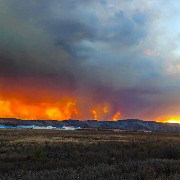
- Catastrophic Scale: The fire has burned approximately 530,000 hectares, destroying 79.8% of the Numrug Nature Reserve, a critical ecological zone for biodiversity.
- Official Investigation Underway: Both Mongolian authorities and KDDI are conducting investigations into the exact circumstances and potential violations of environmental regulations.
In-Depth Analysis
This incident exposes a troubling gap between corporate intentions and on-the-ground realities, particularly in regions with lax enforcement. KDDI’s initial justification—that the visit was for legitimate 4G network trials—collides sharply with reports of hunting and fishing. This discrepancy suggests a potential cover-up or a profound misunderstanding of local regulations by the executive team. The decision to operate heavy machinery and vehicles in a protected area during a dry season demonstrates a reckless disregard for environmental safeguards.
The scale of the destruction is alarming. By consuming nearly 80% of the Numrug Nature Reserve, the fire has severed a vital ecological artery in eastern Mongolia. This area is not merely a scenic landscape; it is a stronghold for biodiversity and a buffer against climate extremes. The long-term ecological recovery of such a large area will likely take decades, if not centuries, effectively destroying habitats for countless species. Furthermore, the incident tarnishes the reputation of the Japanese business community abroad, suggesting that even major corporations may struggle to operate ethically in international jurisdictions without strict oversight.
Looking ahead, this case will likely set a precedent for corporate liability in environmental disasters. It forces a re-evaluation of how multinational companies conduct field trials in sensitive regions. We can expect stricter scrutiny from both Mongolian authorities and international bodies regarding corporate operations in protected zones. For KDDI, this is a reputational crisis that requires more than just a simple apology; it demands a commitment to rigorous environmental restoration and a complete overhaul of safety protocols for field operations.
Frequently Asked Questions
Q: What was the exact cause of the fire? A: The fire was caused by the ignition of dry grass by vehicles from the Mobicon delegation. KDDI confirmed that the subsidiary's Japanese CEO was in the area at the time.
Q: Was the CEO's visit to the nature reserve legal? A: KDDI stated that their team obtained official permits from border guards. However, allegations suggest the group had ulterior motives, such as hunting or fishing for endangered species, rather than just conducting network tests.
Q: How much of the nature reserve was destroyed? A: The fire affected approximately 530,000 hectares in total, with 470,000 hectares, or 79.8%, of the Numrug Nature Reserve itself being burned.
Source: https://www.thepaper.cn/newsDetail_forward_34301769
Related posts
The 30,000 km Journey of Beijing Swifts: Understanding Transnational Bird Conservation
Discover how Beijing swifts' epic migration across continents highlights the critical need for international cooperation in wildlife conservation efforts.

Shanghai Cooperation Organization: Strengthening Global Governance and Future Collaboration
Explore Premier Li Qiang's key address at the SCO Dushanbe Summit, focusing on multilateralism, economic cooperation, and the strategic vision for the next decade.

Nvidia CEO Jensen Huang: Europe Must Act Fast or Risk Falling Behind in AI Race
Nvidia CEO Jensen Huang urges Europe to accelerate AI adoption, criticizing Germany's hesitation and questioning the UK's excessive caution in the global tech race.
Boeing 737 Max 10 FAA Approval: A Major Win After Years of Delays
Boeing secures FAA certification for the 737 Max 10 after significant delays, facing new competition from China and Europe. Discover the implications for airlines and the future of aviation.

General Motors Beats Q3 2026 Earnings Estimates, Announces $20B Buyback
GM beats Wall Street expectations with Q3 2026 earnings, raises free cash flow guidance, and announces a massive $20 billion stock buyback amid inflationary headwinds.

Netflix Q3 2026 Earnings: Ad Tier Growth vs. Stock Slump Analysis
How Netflix's ad-supported tier and cost cuts impact earnings amid slowing subscriber growth and intense competition.
Japanese Politicians' Yasukuni Shrine Visits Spark International Concern
Recent visits by Japanese officials to the controversial war shrine raise alarms about historical revisionism and militarization in the region.
Patriot Missile Holdback: Ukraine Faces Its Darkest Hour Since War Began
US delays critical missile transfers as Ukraine confronts its most challenging period since the conflict began, with dire implications for national defense.
Latest Articles
- Korea's Shrinking Military Pool: The Debate Over Gender-Equal Conscription
- JPMorgan Chase's $5 Billion Defense Strategy: Robot Factories & Hypersonic Missiles
- Netflix cuts 1,000 jobs as streaming growth slows and competition intensifies
- Shanghai's Cultural Renaissance: Festival, Theater, and Consortium Illuminate the City's Artistic Future
- High-and-Mighty Cabinet: More Officials Visit Yasukuni Shrine Amid Rising Controversy
- Oil Exports Plummet as Iran Increases Attacks in Strait of Hormuz