Boeing 737 Max 10 FAA Approval: A Major Win After Years of Delays
Boeing secures FAA certification for the 737 Max 10 after significant delays, facing new competition from China and Europe. Discover the implications for airlines and the future of aviation.
Source: CNBC
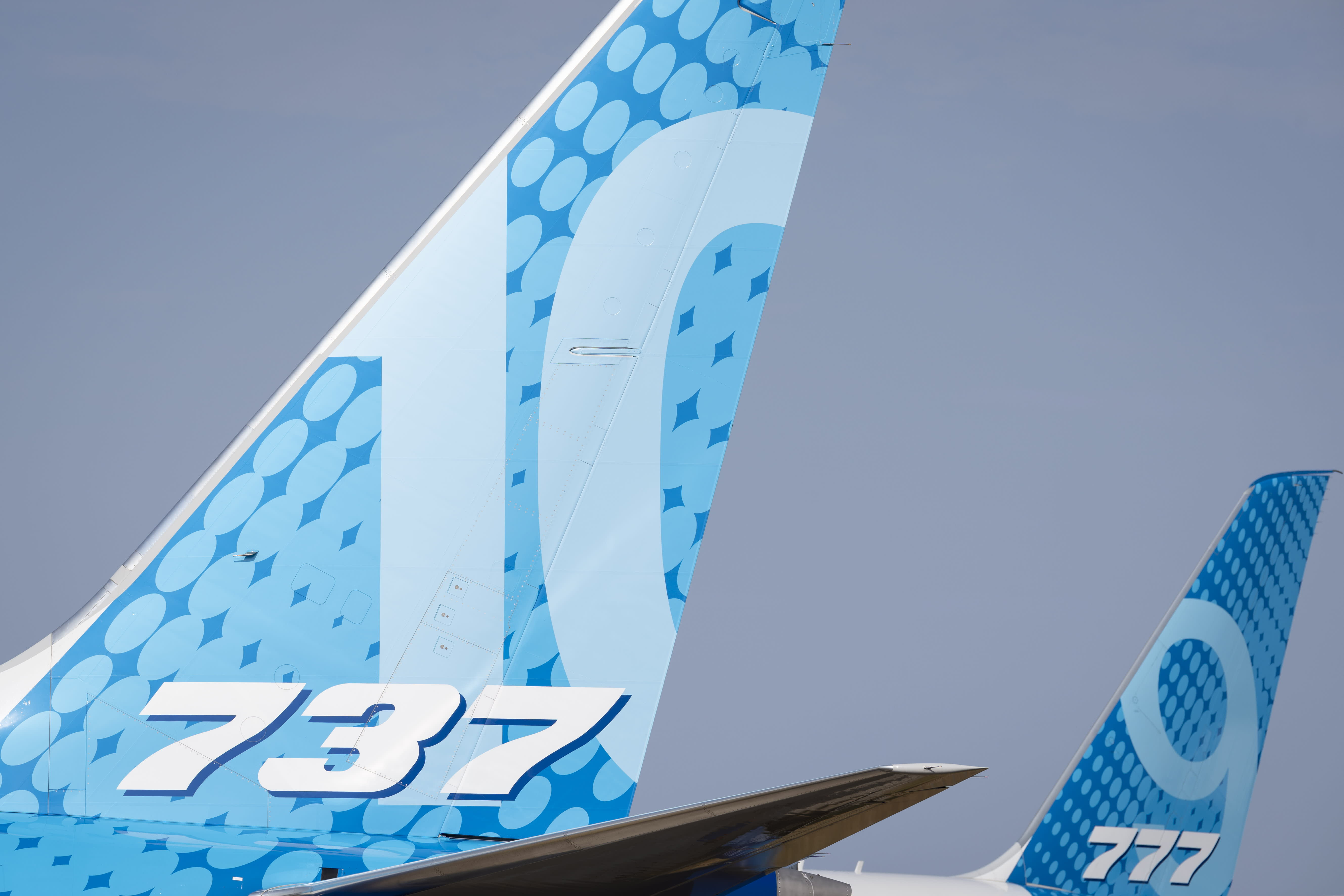
After a prolonged and turbulent journey, Boeing has finally achieved a significant milestone in its commercial aviation recovery. The Federal Aviation Administration (FAA) has officially granted certification to the Boeing 737 Max 10, the largest variant in the popular 737 Max family. This approval marks the final step for the manufacturer to unlock the full potential of its best-selling jet line, which has been hampered by safety scandals and regulatory scrutiny since 2018.
The green light comes just weeks after federal officials reviewed a reported navigation system glitch but determined it did not pose a safety-of-flight issue. Transportation Secretary Sean Duffy emphasized that while safety remains paramount, the United States must accelerate its certification processes to remain competitive on the global stage. "It takes Boeing, to certify an aircraft in Europe, about half the time, less than half the time that it does in the U.S. You have China now playing to take over in aviation," Duffy stated. "We have to certify aircraft more quickly if we're going to compete as Americans."
Key Takeaways
- Final Certification: The FAA approval of the 737 Max 10 is the last major hurdle for Boeing's flagship jet family, ending years of regulatory uncertainty.
- Global Competition: Transportation Secretary Sean Duffy highlighted that the U.S. certification process is significantly slower than in Europe and China, urging modernization to maintain competitive advantage.
- Customer Backlog: The Max 10 represents approximately 30% of Boeing's total 737 Max backlog, meaning airlines are eager to integrate these aircraft into their fleets.
- Production Ramp-up: Boeing has opened a fourth production line in Everett, Washington, to meet the rising demand for 737 Max and 787 Dreamliner deliveries.
- Airlines Adapt: While some carriers like United Airlines have delayed plans for premium lie-flat seats, others like Alaska Airlines are moving forward with upgrades.
In-Depth Analysis
The certification of the 737 Max 10 is more than just a bureaucratic victory for Boeing; it is a critical component of the company's broader turnaround strategy. The Max 10, which can seat up to 230 passengers, was originally slated to enter service in 2020. However, the tragic crashes of the Max 8 and Max 9 in 2018 and 2019 triggered a global grounding and forced Boeing to implement extensive engineering changes, including modifications to the anti-icing system.
Now that the FAA has cleared the largest model, airlines can finally begin the complex process of integrating these aircraft into their schedules. However, operational readiness takes time. It can take several months for carriers to align crew training, maintenance schedules, and route planning with the new fleet.
Furthermore, Duffy's comments about the certification timeline reveal a deeper anxiety within the U.S. aviation industry. As global competition intensifies, particularly with China aggressively expanding its aerospace footprint, the U.S. risks falling behind in speed-to-market. A faster certification process is essential not just for Boeing, but for the American economy and the broader commercial aviation sector.
Frequently Asked Questions
What is the difference between the 737 Max 10 and other Max models?
The 737 Max 10 is the largest variant of the family, featuring a longer fuselage and more powerful engines compared to the Max 8 and Max 9. It is designed to compete directly with Airbus's A321neo, offering airlines higher capacity for long-haul domestic routes.
When will airlines actually start flying the 737 Max 10?
While certification is now complete, airlines must still undergo their own validation processes. It typically takes several months after certification for airlines to work the new aircraft into their operational schedules and begin passenger service.
How does the U.S. certification process compare to Europe and China?
As noted by Transportation Secretary Duffy, the U.S. process is notably slower. It can take Boeing up to twice as long to certify an aircraft in the U.S. compared to Europe, a discrepancy that becomes increasingly problematic in a rapidly evolving global market.
Source: https://www.cnbc.com/2026/10/20/boeing-737-max-10-certification.html
Related posts

General Motors Beats Q3 2026 Earnings Estimates, Announces $20B Buyback
GM beats Wall Street expectations with Q3 2026 earnings, raises free cash flow guidance, and announces a massive $20 billion stock buyback amid inflationary headwinds.

Netflix Q3 2026 Earnings: Ad Tier Growth vs. Stock Slump Analysis
How Netflix's ad-supported tier and cost cuts impact earnings amid slowing subscriber growth and intense competition.
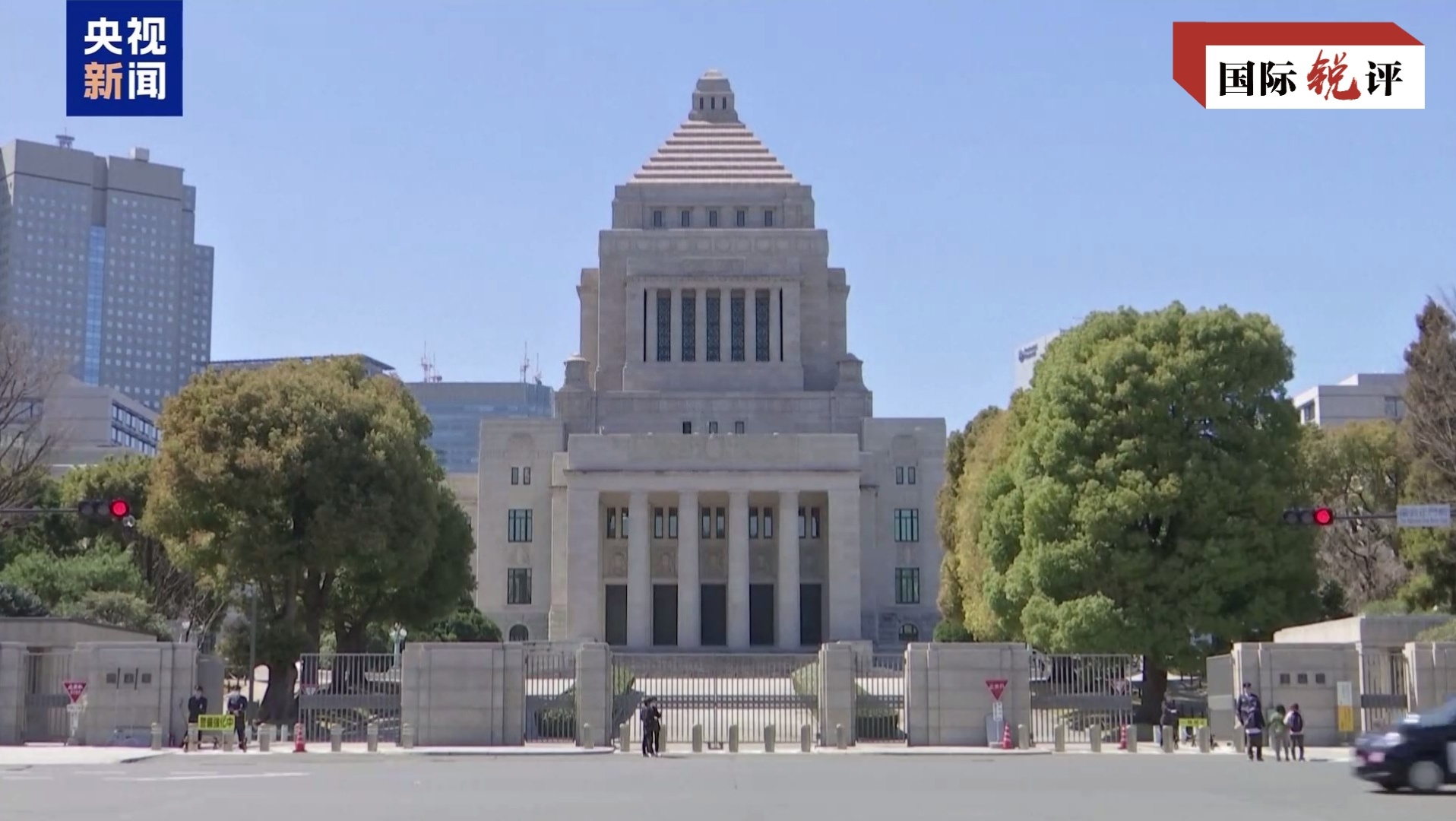
Japanese Politicians' Yasukuni Shrine Visits Spark International Concern
Recent visits by Japanese officials to the controversial war shrine raise alarms about historical revisionism and militarization in the region.
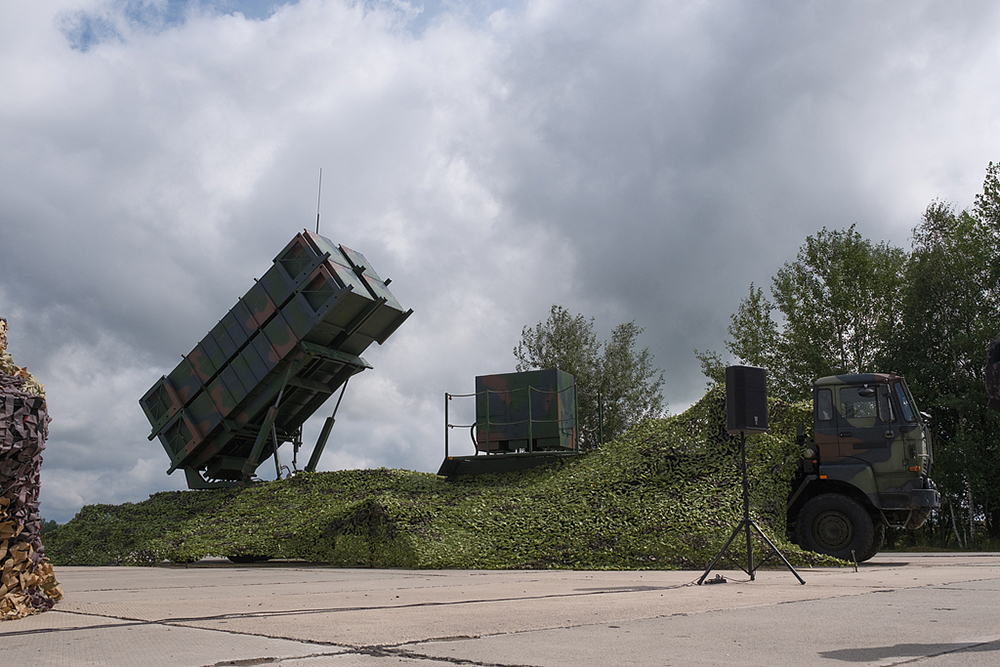
Patriot Missile Holdback: Ukraine Faces Its Darkest Hour Since War Began
US delays critical missile transfers as Ukraine confronts its most challenging period since the conflict began, with dire implications for national defense.

Korea's Shrinking Military Pool: The Debate Over Gender-Equal Conscription
As Korea faces a critical manpower shortage, opposition parties push for gender-neutral conscription. Explore the economic and social implications of mandatory female service.
JPMorgan Chase's $5 Billion Defense Strategy: Robot Factories & Hypersonic Missiles
JPMorgan invests $5B in defense startups like Hadrian and Castelion to secure US supply chains against geopolitical threats.
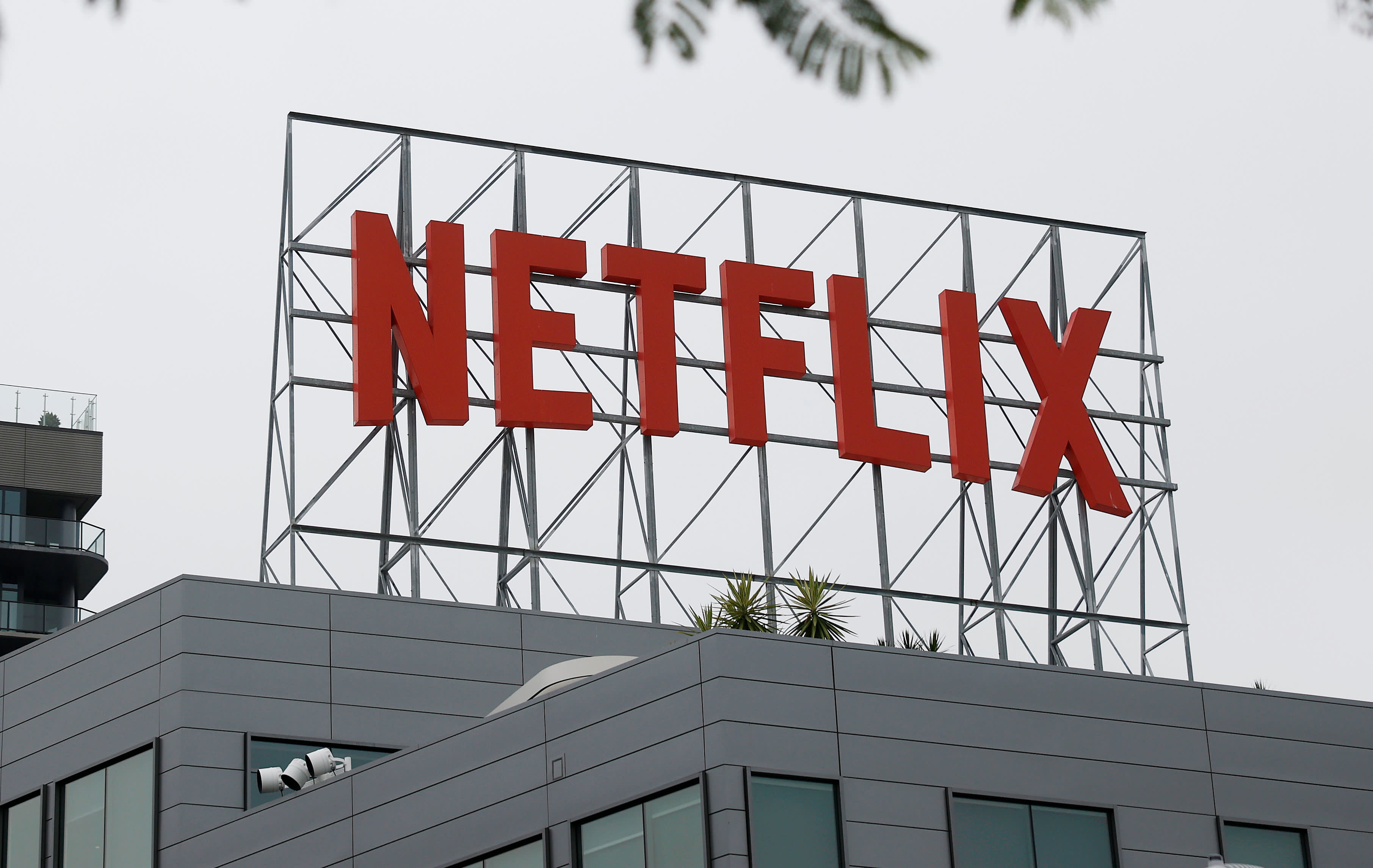
Netflix cuts 1,000 jobs as streaming growth slows and competition intensifies
Netflix lays off 6% of its workforce amid stagnating viewership and the rise of competitors like Skydance and YouTube.
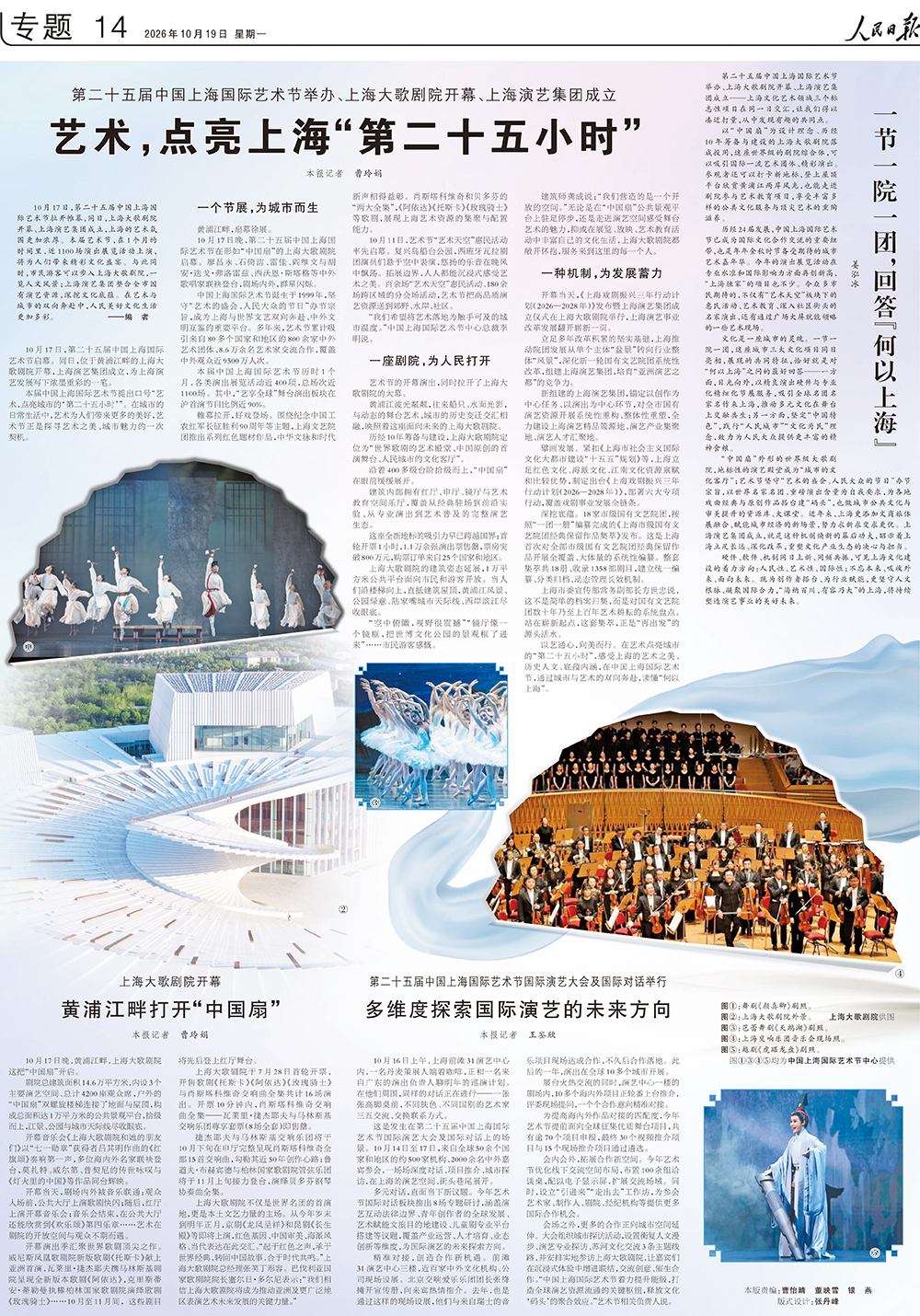
Shanghai's Cultural Renaissance: Festival, Theater, and Consortium Illuminate the City's Artistic Future
Exploring how Shanghai's 25th International Arts Festival, Grand Theater, and Performing Arts Consortium are transforming the city into a global cultural hub through innovative programming and accessible art experiences.
Latest Articles
- High-and-Mighty Cabinet: More Officials Visit Yasukuni Shrine Amid Rising Controversy
- Oil Exports Plummet as Iran Increases Attacks in Strait of Hormuz
- Food Bank Lines Surge Ahead of Midterms: US Families Face Inflation and Welfare Cuts
- Japan's High-profile Yasukuni Shrine Visit: A Challenge to Post-War Order
- U.S. Loosens Fuel Economy Rules: Boost for V-8 Engines and Pickup Trucks
- Noah Adams: NPR Icon And Voice For Rural America