Nvidia CEO Jensen Huang: Europe Must Act Fast or Risk Falling Behind in AI Race
Nvidia CEO Jensen Huang urges Europe to accelerate AI adoption, criticizing Germany's hesitation and questioning the UK's excessive caution in the global tech race.
Source: thepaper.cn
The global race for Artificial Intelligence dominance is reaching a critical juncture, and the message coming from the tech industry's most influential figure is clear: hesitation is a luxury Europe can no longer afford. During a recent whirlwind tour of the continent, Nvidia CEO Jensen Huang delivered a blunt assessment of the region's readiness. He argues that while Europe possesses the talent and cultural foundation to lead, bureaucratic inertia and over-regulation are threatening to leave the continent trailing behind the United States and China. His visit to France, Sweden, the UK, and Germany culminated in a pivotal moment at the GTC conference in Berlin, where he offered a roadmap for survival in the next industrial era.
Key Takeaways from Huang's European Tour
- Germany Lags Behind: Huang expressed deep concern over Germany's current position in the AI sector, describing its economic stagnation as a source of personal pain. He issued a direct call to action, urging the nation to embrace the technological shift rather than resist it.
- Regulation vs. Innovation: The Nvidia chief warned against using heavy-handed regulation as a substitute for innovation. He advocates for a regulatory framework similar to that of the internet era, focusing on the application of AI rather than attempting to micromanage the underlying technology.
- AI as an Economic Lifeline: Huang views Artificial Intelligence not just as a buzzword, but as the essential catalyst to revive Germany's struggling economy. He highlighted the potential for AI to revitalize industries that have been in decline for years.
- The Next Industrial Revolution: Huang predicts that the next wave of AI will occur in the physical world, specifically within robotics, manufacturing, automotive, and heavy industry. This sector represents the new frontier of economic growth.
- The China Advantage: He pointed out that China is uniquely positioned to succeed because its economic transition happened concurrently with the rise of computer science. This dual strength in both manufacturing and digital technology gives China a significant competitive edge.
- UK's Overthinking: Huang offered a sharp critique of the UK's approach, suggesting that the nation is suffering from a 'strange phenomenon' where it finds reasons not to win despite having the necessary talent and resources.
- Partnership for Growth: The collaboration announced between Huang and German Chancellor Friedrich Merz aims to inject billions of euros into German industry, specifically targeting the integration of Nvidia's AI products into traditional sectors.

Deep Dive Analysis: Europe's Dilemma in the AI Era
Huang's candid remarks highlight a fundamental tension within the European Union: the desire to protect fundamental rights through strict regulation versus the necessity of rapid innovation to maintain economic competitiveness. The EU has been a pioneer in establishing comprehensive legal frameworks, such as the AI Act, which seeks to classify AI systems by risk. While intended to ensure safety and trust, critics argue that such stringent oversight can stifle the agility required to compete with the more laissez-faire approaches of the US and the state-driven strategies of China.
The core of Huang's argument lies in the definition of 'risk.' By attempting to regulate the underlying technology—the 'source' of AI—European policymakers may be slowing down the development of the 'product' itself. Huang’s analogy to the early internet suggests that the market will self-correct; however, in the high-stakes world of national security and economic dominance, waiting for market corrections could be fatal. The proposed partnership with Germany, focusing on industrial applications rather than theoretical research, represents a pragmatic pivot. It acknowledges that the immediate economic benefits of AI—such as predictive maintenance in factories and autonomous logistics—are more tangible and urgent than long-term ethical debates.
Furthermore, Huang’s observation regarding the shift of industrial power from the West to the East over the last 50 years serves as a stark warning. He notes that the computer revolution shifted manufacturing capabilities to China, creating a new triad of leaders: Germany, Japan, and China. To reverse this trend, Germany must leverage its engineering prowess combined with AI, a strategy Huang explicitly endorsed. The potential for AI to bridge the gap in German labor shortages and boost productivity is the central thesis of the Berlin summit. If Europe fails to act, it risks becoming a consumer of technology rather than a creator, a fate Huang explicitly wants to avoid for his home continent.
Frequently Asked Questions
Will strict AI regulations in Europe stifle innovation?
Huang argues that strict regulation of the underlying technology can indeed stifle innovation. He suggests that a better approach is to regulate the applications of AI, similar to how the internet was regulated, allowing the technology to evolve freely while ensuring safety in its use.
How does Huang view China's role in the AI race?
Huang views China as a formidable competitor because of its unique convergence of manufacturing and digital capabilities. He believes China is the only country successfully combining a massive industrial base with advanced computer science, giving it a distinct advantage in the physical application of AI.
What is the main economic solution Huang proposes for Germany?
Huang proposes that Germany should view AI as the solution to its economic stagnation. By investing in AI infrastructure and integrating it into manufacturing, automotive, and heavy industries, Germany can revitalize its economy and reclaim its status as an industrial leader.
Source: https://www.thepaper.cn/newsDetail_forward_34297365
Related posts
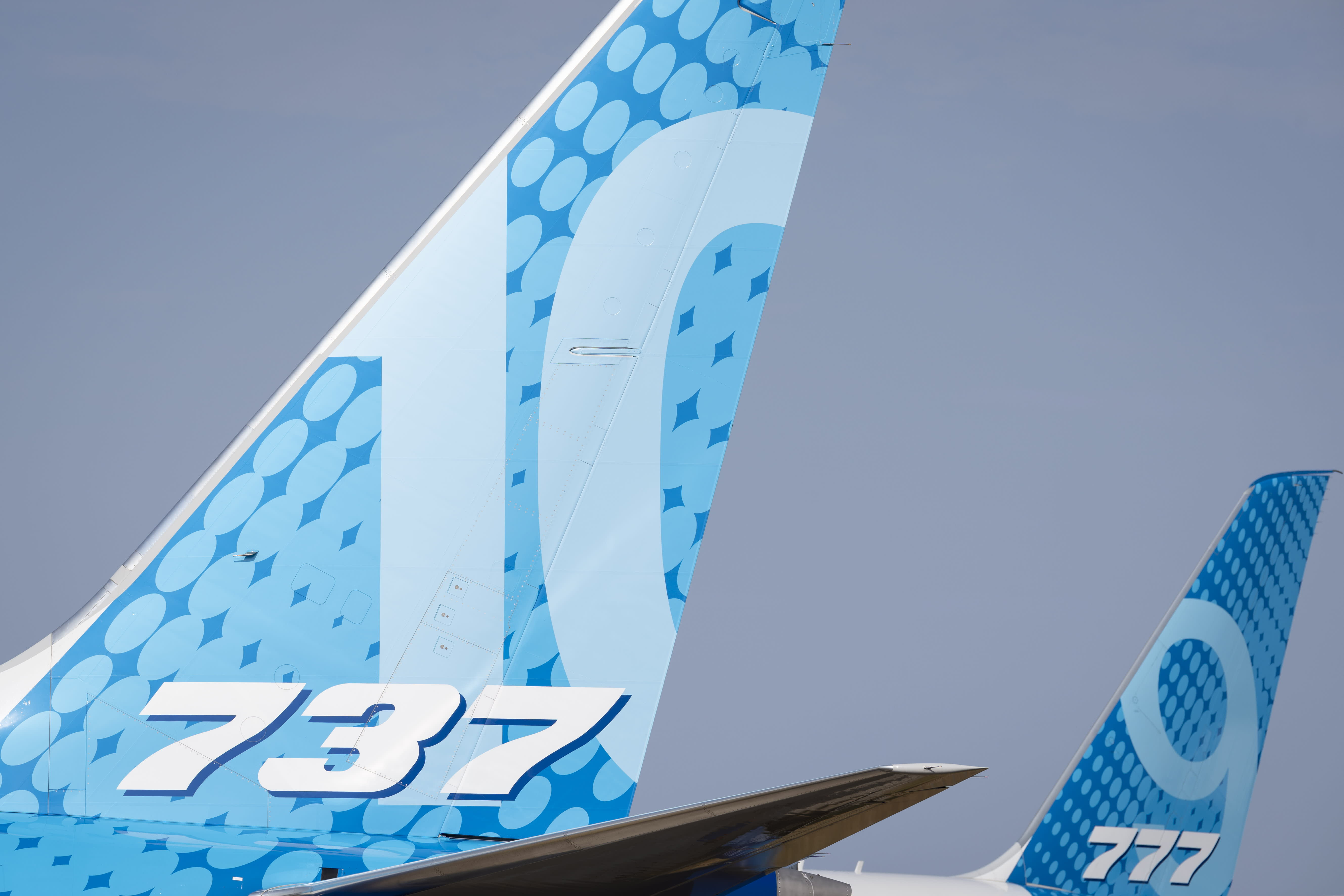
Boeing 737 Max 10 FAA Approval: A Major Win After Years of Delays
Boeing secures FAA certification for the 737 Max 10 after significant delays, facing new competition from China and Europe. Discover the implications for airlines and the future of aviation.

General Motors Beats Q3 2026 Earnings Estimates, Announces $20B Buyback
GM beats Wall Street expectations with Q3 2026 earnings, raises free cash flow guidance, and announces a massive $20 billion stock buyback amid inflationary headwinds.

Netflix Q3 2026 Earnings: Ad Tier Growth vs. Stock Slump Analysis
How Netflix's ad-supported tier and cost cuts impact earnings amid slowing subscriber growth and intense competition.
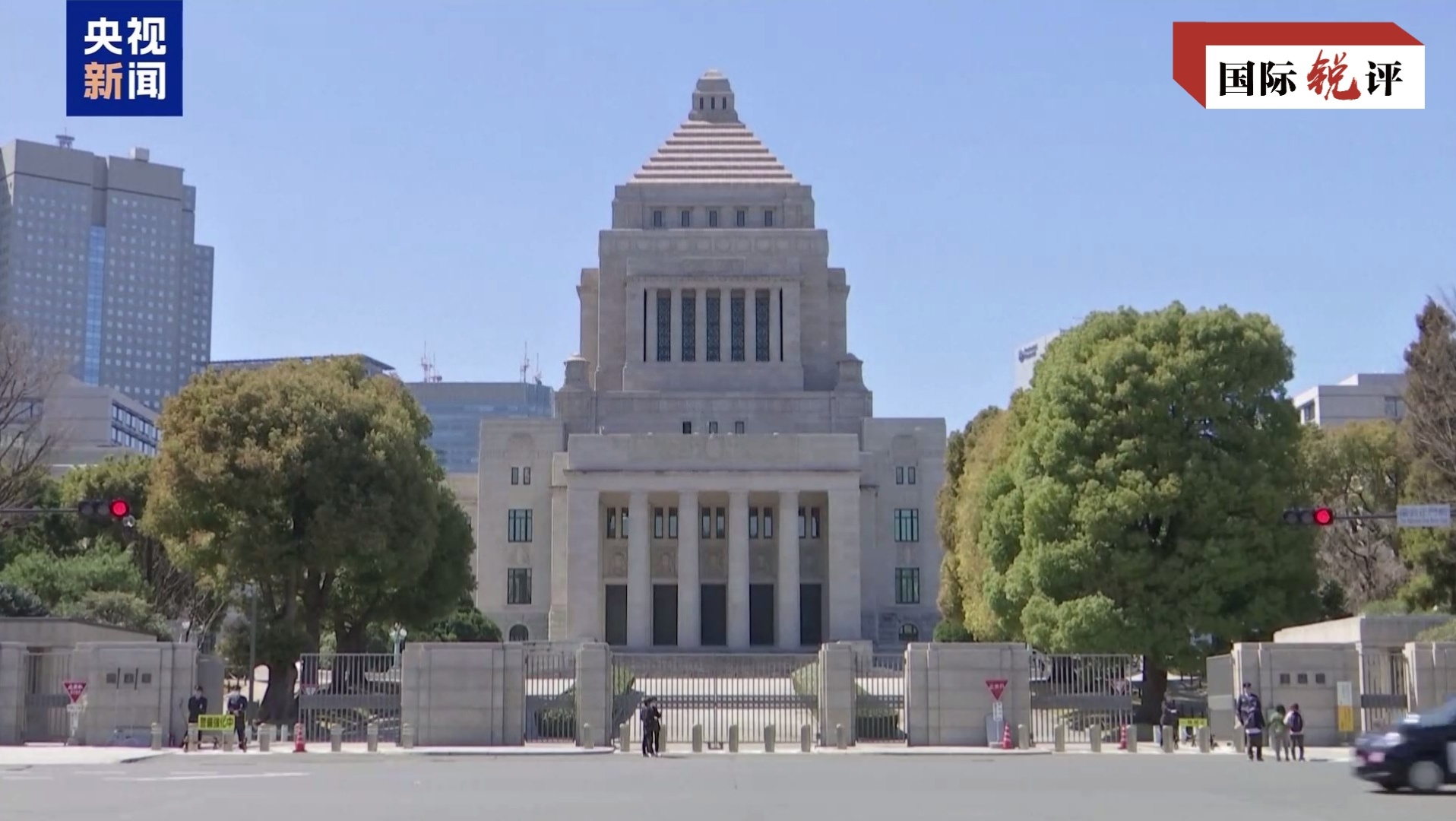
Japanese Politicians' Yasukuni Shrine Visits Spark International Concern
Recent visits by Japanese officials to the controversial war shrine raise alarms about historical revisionism and militarization in the region.

Patriot Missile Holdback: Ukraine Faces Its Darkest Hour Since War Began
US delays critical missile transfers as Ukraine confronts its most challenging period since the conflict began, with dire implications for national defense.

Korea's Shrinking Military Pool: The Debate Over Gender-Equal Conscription
As Korea faces a critical manpower shortage, opposition parties push for gender-neutral conscription. Explore the economic and social implications of mandatory female service.
JPMorgan Chase's $5 Billion Defense Strategy: Robot Factories & Hypersonic Missiles
JPMorgan invests $5B in defense startups like Hadrian and Castelion to secure US supply chains against geopolitical threats.
Netflix cuts 1,000 jobs as streaming growth slows and competition intensifies
Netflix lays off 6% of its workforce amid stagnating viewership and the rise of competitors like Skydance and YouTube.
Latest Articles
- Shanghai's Cultural Renaissance: Festival, Theater, and Consortium Illuminate the City's Artistic Future
- High-and-Mighty Cabinet: More Officials Visit Yasukuni Shrine Amid Rising Controversy
- Oil Exports Plummet as Iran Increases Attacks in Strait of Hormuz
- Food Bank Lines Surge Ahead of Midterms: US Families Face Inflation and Welfare Cuts
- Japan's High-profile Yasukuni Shrine Visit: A Challenge to Post-War Order
- U.S. Loosens Fuel Economy Rules: Boost for V-8 Engines and Pickup Trucks