Moderna Cancer Vaccine Shows Promise Despite Stock Drop After Data Leak
Moderna's personalized cancer vaccine demonstrates significant efficacy in melanoma treatment, causing stock market volatility despite positive clinical results.
Source: CNBC
The biotechnology sector is holding its breath as Moderna's experimental cancer vaccine delivers groundbreaking results while simultaneously triggering dramatic market fluctuations. This development comes at a critical juncture in oncology research, where personalized treatments are increasingly becoming the gold standard for cancer care. The leaked data, though initially causing investor panic, ultimately reveals a treatment that could redefine melanoma therapy and potentially extend to other cancer types.
Key Findings
- Significant Risk Reduction: The personalized vaccine, known as intismeran autogene, when combined with Merck's Keytruda, reduced the risk of recurrence or death in melanoma patients by 42% compared to Keytruda alone. This represents a substantial clinical advancement in a field where incremental improvements are typically celebrated.
- Metastasis Prevention: The combination therapy also showed a 38% reduction in the risk of cancer spreading to distant parts of the body or death, addressing one of the most challenging aspects of melanoma treatment.
- Two-Year Survival Rates: Approximately 82% of patients who received the personalized vaccine alongside Keytruda remained alive without melanoma recurrence at the two-year mark, compared to 70% of those receiving only Keytruda. This demonstrates durable protection over an extended period.
- Favorable Safety Profile: Dr. Hussein Tawbi from MD Anderson Cancer Center highlighted that the vaccine comes with much milder toxicity compared to other cancer treatments, primarily limited to injection-site pain rather than more severe side effects common in traditional therapies.
- Enhanced Efficacy Over Time: The benefit appeared even more pronounced after the complete six-month vaccine regimen, with a separate analysis showing a 58% reduction in the risk of recurrence or death, suggesting cumulative effectiveness with continued treatment.

In-Depth Analysis
The market's reaction to the leaked data reveals the complex interplay between scientific breakthroughs and financial expectations in the biotechnology sector. While the clinical results are undeniably positive, the 25% drop in Moderna's stock underscores how investor sentiment can sometimes overshadow scientific reality. This situation highlights the growing challenge of managing expectations around potentially transformative therapies, particularly in the highly competitive field of immuno-oncology.
From an industry perspective, this development represents a significant step forward in personalized cancer treatment. The vaccine's mechanism—targeting specific mutations in each patient's tumor rather than employing a one-size-fits-all approach—epitomizes the future direction of oncology. By training the immune system to recognize unique cancer markers and combining this with Keytruda's ability to enhance the body's attack on cancer, Moderna and Merck have created a synergistic therapeutic approach that could be applied across various cancer types.
Looking ahead, the companies' ongoing trials in non-small cell lung cancer, bladder cancer, and renal cell carcinoma will determine the broader applicability of this technology. Merck Research Laboratories President Dr. Dean Li's analogy of "knocking down one tree" rather than building a "cabin or village" appropriately captures the current state of development—promising but requiring substantial additional work to realize the full potential of this platform technology.
The manufacturing timeline of six weeks for this personalized vaccine presents both a challenge and an opportunity. While this complexity currently limits scalability, Merck CEO Robert Davis's indication that this timeline could be shortened in the future suggests room for process optimization that could dramatically expand patient access.
Frequently Asked Questions
What makes this cancer vaccine different from existing treatments? This vaccine is personalized to target the specific mutations in each patient's tumor, rather than using a standardized approach. This precision allows the immune system to recognize and attack cancer cells more effectively, particularly when combined with Keytruda which enhances the body's immune response.
Will this treatment be available for other types of cancer? The companies are currently studying the vaccine in several trials across other tumor types including non-small cell lung cancer, bladder cancer, and renal cell carcinoma. While early results are promising, additional studies will be needed to determine its effectiveness across different cancers.
Source: https://www.cnbc.com/2026/10/22/moderna-stock-cancer-vaccine-data-leak.html
Related posts

Louvre, Orsay Museums to Close on Oct 24 Amid Paris Protests
Paris museums including the Louvre and Orsay will close on Oct 24 due to planned demonstrations. Here is what you need to know about the closures and the ongoing unrest.

Wall Street Titans Debate AI Bubble: Internet Era or Long-Term Winner?
Citadel, BlackRock, and Oaktree leaders clash over AI valuations. Is the tech boom a repeat of 2000, or the dawn of a new era?

Travel Advisory: Safety Alert for Saudi Arabia Due to Airport Attacks
A deadly attack at King Fahd International Airport in Dammam has caused casualties and disrupted flights. The Chinese Embassy advises citizens to avoid travel and stay vigilant amid rising security threats.

EU's Cold War Approach to China's Arctic Activities Undermines Regional Stability
China criticizes EU's new Arctic strategy for adopting Cold War mentality, warning that geopolitical tensions threaten Arctic peace and sustainable development.
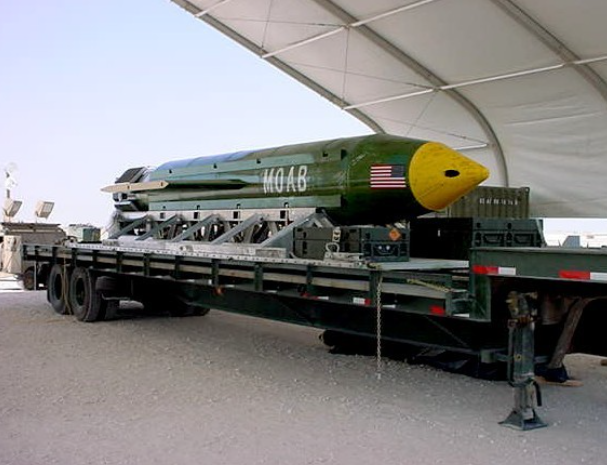
Iran's 'Father of All Bombs' Challenge to US Military Dominance
Iran announces development of 'Father of All Bombs' in response to US military threats, escalating tensions in the Middle East amid potential new military actions.

US Israel Strike Plans Against Iran Post-Midterms: Escalation Risks
US and Israel are reportedly preparing for potential military action against Iran after the US midterm elections, as tensions rise and diplomatic efforts falter.

Saudi Arabia Execution of Bangladeshi Workers: Debunking the 'Honeymoon Kiss' Myth
Fact-checking the viral claims that two Bangladeshi citizens were executed in Saudi Arabia for a honeymoon kiss. We analyze the source of the rumors and the actual circumstances of their arrest and execution.
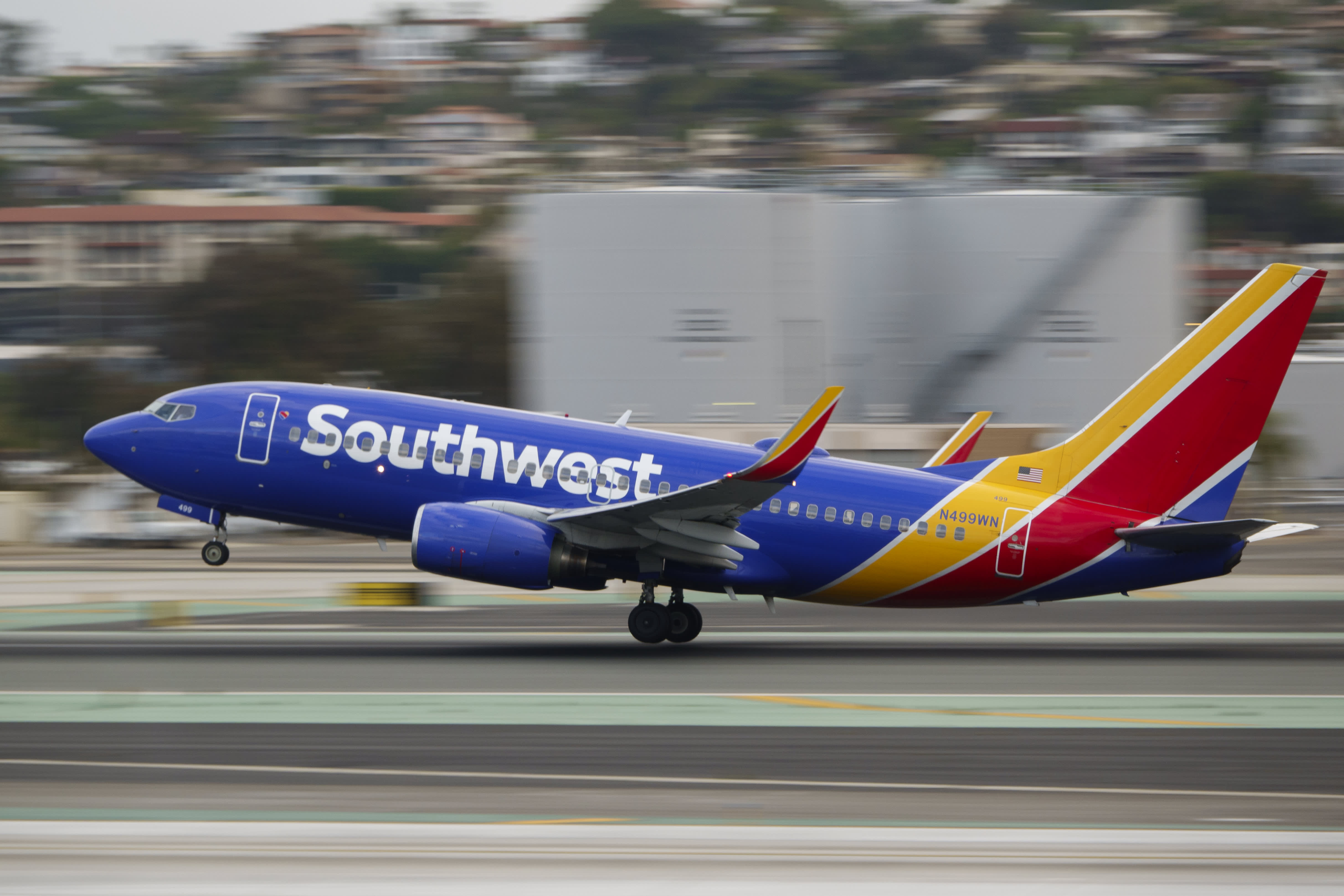
Southwest Airlines Cuts 2026 Profit Forecast Due to Rising Fuel Costs
Southwest Airlines lowers 2026 profit outlook to $2.60-$2.85/share due to higher fuel prices, despite strong demand.
Latest Articles
- eBay 9% Workforce Cut: Strategic Shifts & AI Investment in 2026
- The AI Stock Boom: Goldman Sachs, JPMorgan, and Morgan Stanley's Dominance
- The 30,000 km Journey of Beijing Swifts: Understanding Transnational Bird Conservation
- Japanese Telecom Giant Admits CEO's Actions Caused Massive Mongolia Grassland Fire
- Shanghai Cooperation Organization: Strengthening Global Governance and Future Collaboration
- Nvidia CEO Jensen Huang: Europe Must Act Fast or Risk Falling Behind in AI Race