EU's Cold War Approach to China's Arctic Activities Undermines Regional Stability
China criticizes EU's new Arctic strategy for adopting Cold War mentality, warning that geopolitical tensions threaten Arctic peace and sustainable development.
Source: thepaper.cn
As global powers increasingly turn their attention to the Arctic's strategic and economic potential, China's growing presence in the region has sparked diplomatic friction with the European Union. The EU's new Arctic strategy, which views China's activities and cooperation with Russia as security concerns, represents a dangerous return to Cold War thinking that threatens the fragile stability of one of the world's most sensitive regions.
Key Points
-
EU's Security Concerns: The European Union's new Arctic strategy explicitly identifies China's expanding presence and its collaboration with Russia as potential security threats, reflecting a geopolitical perspective that increasingly views the region through a competitive lens.
-
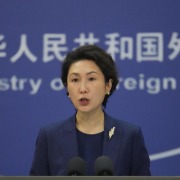
China's Legal Position: Chinese Foreign Ministry spokesperson Mao Ning emphasized that all countries have legitimate rights to conduct activities in the Arctic under international law, stating that China's presence aims specifically at promoting peace, stability, and sustainable development in the region.
-
Cold War Mentality: China has criticized the EU for adopting a Cold War mentality by attempting to create geopolitical blocs and stoke confrontation in the Arctic, an approach that fundamentally contradicts the cooperative spirit needed for addressing global challenges.
-
Strategic Importance of Arctic Routes: The EU's warning about preventing Russian and Chinese dominance of Arctic shipping routes highlights the growing strategic importance of these newly accessible waterways as climate change opens up new navigation possibilities.
-
International Cooperation vs. Geopolitical Rivalry: The dispute underscores a fundamental divide in how major powers should approach the Arctic—with China advocating for multilateral cooperation and the EU increasingly favoring strategic competition and containment.
In-depth Analysis
The diplomatic exchange between China and the EU over Arctic activities reflects broader geopolitical tensions that are reshaping international relations in the 21st century. The Arctic, once a remote region of limited strategic interest, has become a new frontier for great power competition due to climate change, which is rapidly melting sea ice and opening up new shipping routes and resource extraction opportunities. This transformation has created a complex geopolitical landscape where established Arctic nations face new challenges from non-Arctic powers like China and the EU.
China's approach to the Arctic has been consistently framed as scientific research focused on climate change and sustainable development, with investments in infrastructure and research stations positioned as contributions to global knowledge about the region. However, these activities have increasingly been viewed through a security lens by Western powers, particularly as China's strategic partnership with Russia deepens. The EU's characterization of China's presence as a security concern represents a significant shift from previous Arctic policies that emphasized scientific cooperation and environmental protection.
The Arctic's unique status as a region governed by international law rather than national sovereignty makes it particularly vulnerable to geopolitical competition. Unlike other regions where territorial disputes are clearly defined, the Arctic's governance framework relies heavily on cooperation and adherence to existing international agreements. The EU's adoption of a more confrontational approach threatens to undermine this delicate balance, potentially leading to a militarization of the region that would have severe consequences for global climate efforts and scientific research.
Looking ahead, the Arctic is likely to remain a flashpoint in international relations as climate change continues to reshape the region's geopolitical significance. The contrasting approaches of China and the EU will test the resilience of international cooperation mechanisms and may lead to the emergence of competing blocs with different visions for the Arctic's future. The outcome of this competition will have profound implications not only for regional stability but for global efforts to address climate change and maintain peaceful international relations in an era of increasing geopolitical fragmentation.
Frequently Asked Questions
What is China's main argument against the EU's Arctic strategy? China contends that the EU is applying outdated Cold War thinking to Arctic affairs, creating unnecessary divisions and undermining the cooperative framework needed for addressing shared challenges like climate change and sustainable development in the region.
Why is the Arctic becoming strategically important? Climate change is rapidly melting Arctic sea ice, opening up new shipping routes and making previously inaccessible resources more available, transforming the region from a remote frontier into a strategic economic and geopolitical zone with global implications.
How might this dispute affect international cooperation in the Arctic? The growing geopolitical tensions risk fragmenting Arctic governance, potentially replacing scientific cooperation and environmental protection with strategic competition that could lead to militarization and undermine decades of international collaboration in the region.
Source: https://www.thepaper.cn/newsDetail_forward_34307901
Related posts
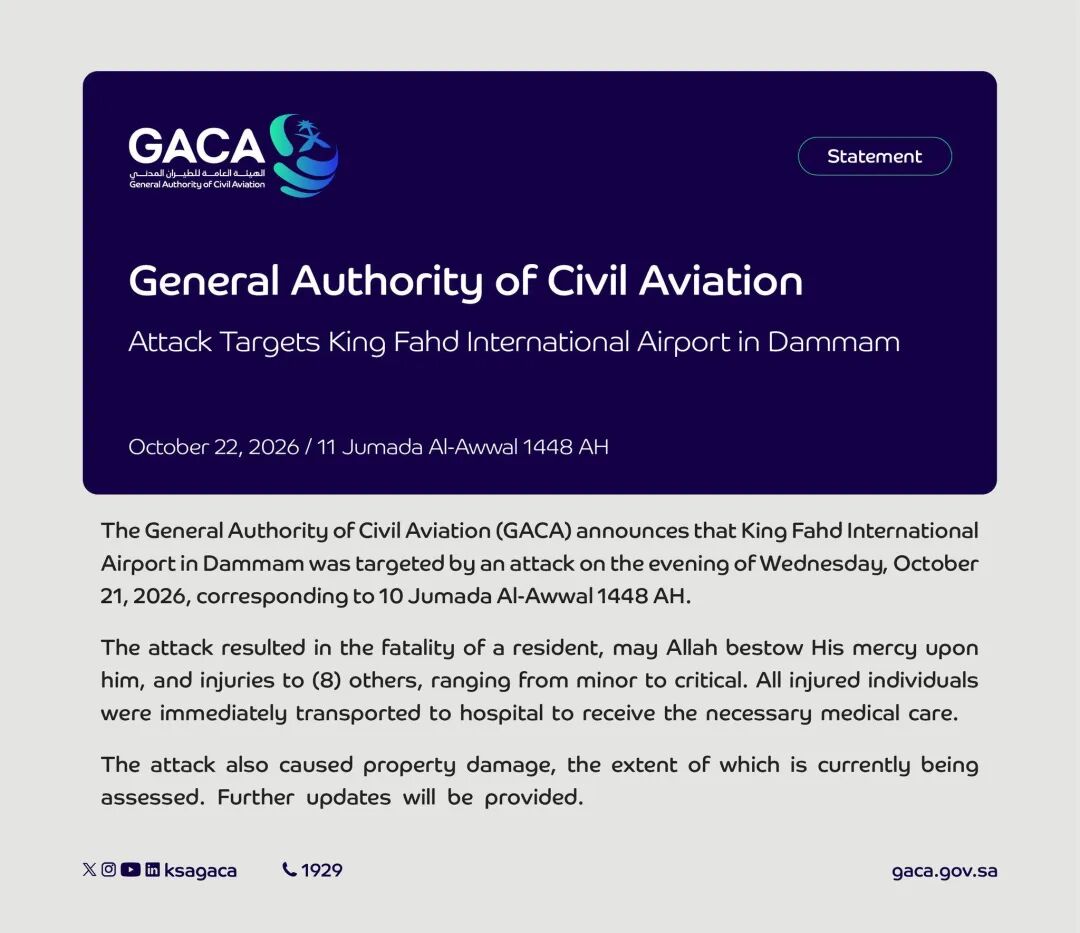
Travel Advisory: Safety Alert for Saudi Arabia Due to Airport Attacks
A deadly attack at King Fahd International Airport in Dammam has caused casualties and disrupted flights. The Chinese Embassy advises citizens to avoid travel and stay vigilant amid rising security threats.

US Israel Strike Plans Against Iran Post-Midterms: Escalation Risks
US and Israel are reportedly preparing for potential military action against Iran after the US midterm elections, as tensions rise and diplomatic efforts falter.

Saudi Arabia Execution of Bangladeshi Workers: Debunking the 'Honeymoon Kiss' Myth
Fact-checking the viral claims that two Bangladeshi citizens were executed in Saudi Arabia for a honeymoon kiss. We analyze the source of the rumors and the actual circumstances of their arrest and execution.

Wall Street Titans Debate AI Bubble: Internet Era or Long-Term Winner?
Citadel, BlackRock, and Oaktree leaders clash over AI valuations. Is the tech boom a repeat of 2000, or the dawn of a new era?

Southwest Airlines Cuts 2026 Profit Forecast Due to Rising Fuel Costs
Southwest Airlines lowers 2026 profit outlook to $2.60-$2.85/share due to higher fuel prices, despite strong demand.

eBay 9% Workforce Cut: Strategic Shifts & AI Investment in 2026
eBay cuts 1,000 jobs (9%) to streamline operations amid AI spending and Depop acquisition. Analyzing the second round of layoffs and strategic pivot.

The AI Stock Boom: Goldman Sachs, JPMorgan, and Morgan Stanley's Dominance
Discover how Goldman Sachs, JPMorgan, and Morgan Stanley are leading the AI stock boom, leveraging relaxed capital rules and hedge fund lending. Explore the strategies and market trends shaping this lucrative industry.
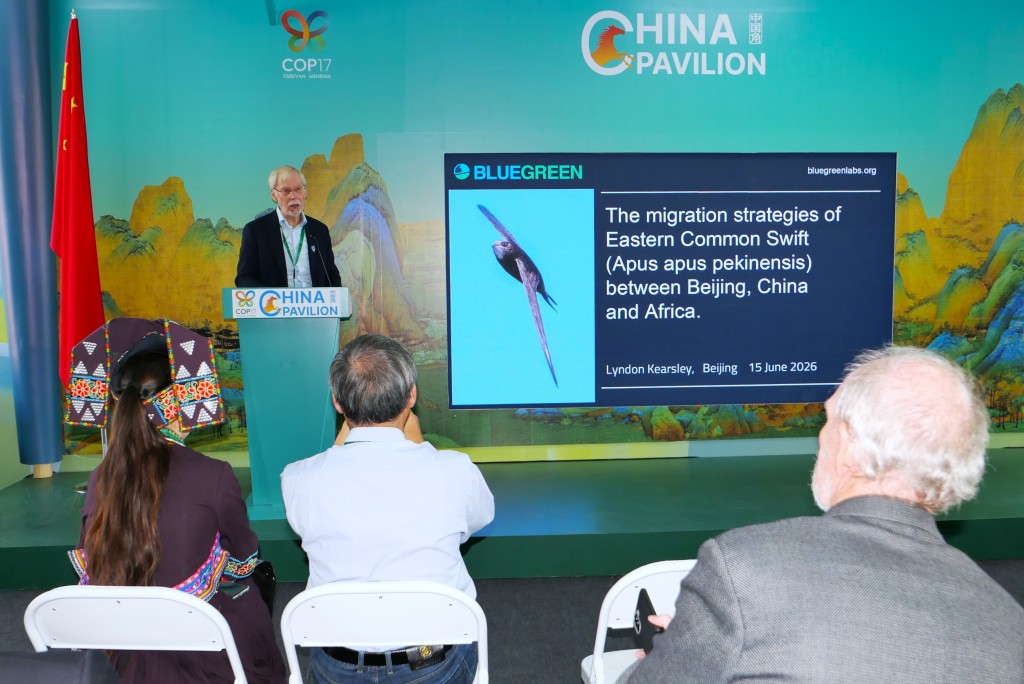
The 30,000 km Journey of Beijing Swifts: Understanding Transnational Bird Conservation
Discover how Beijing swifts' epic migration across continents highlights the critical need for international cooperation in wildlife conservation efforts.
Latest Articles
- Japanese Telecom Giant Admits CEO's Actions Caused Massive Mongolia Grassland Fire
- Shanghai Cooperation Organization: Strengthening Global Governance and Future Collaboration
- Nvidia CEO Jensen Huang: Europe Must Act Fast or Risk Falling Behind in AI Race
- Boeing 737 Max 10 FAA Approval: A Major Win After Years of Delays
- General Motors Beats Q3 2026 Earnings Estimates, Announces $20B Buyback
- Netflix Q3 2026 Earnings: Ad Tier Growth vs. Stock Slump Analysis