Israel Imposes Total West Bank Blockade After Hebron Attack
Israel orders a full siege of the West Bank following a deadly attack in Hebron. Here is the analysis of the escalation and the implications for regional security.
Source: thepaper.cn
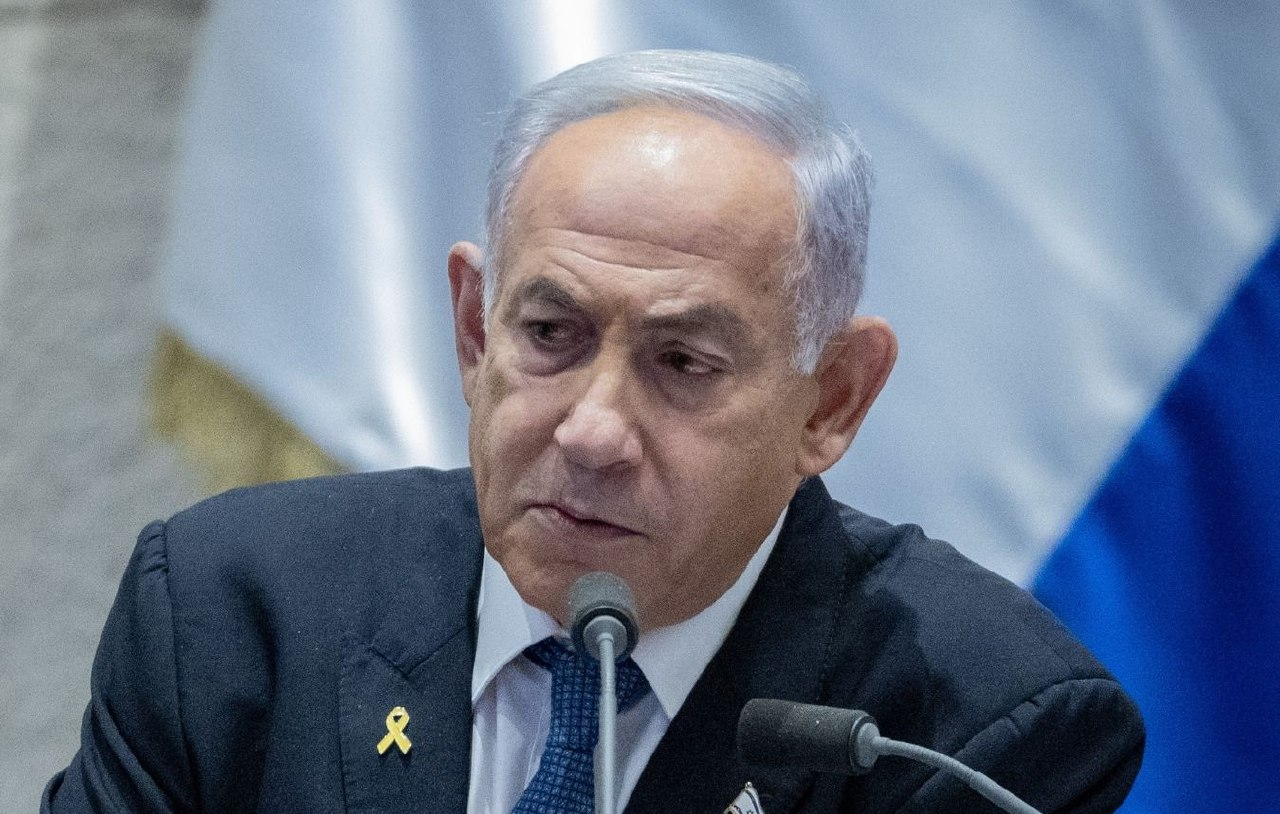
The recent escalation in the West Bank marks a significant turning point in the ongoing Israeli-Palestinian conflict. On October 23, 2026, Israeli Prime Minister Benjamin Netanyahu announced a decisive escalation in response to a targeted attack in the southern city of Hebron. This move, involving a total blockade and a massive military deployment, signals a potential shift in the operational tempo of the Israeli Defense Forces (IDF) in the region. For international observers and security analysts, this event underscores the fragility of the current ceasefire and the increasing volatility of the West Bank, a territory that has seen a sharp rise in violence over recent months. The decision to immediately tighten the noose around Hebron and restrict movement across the region is not merely a tactical response to a single incident but a broader strategy aimed at dismantling the infrastructure of resistance.
Key Developments
- Immediate Total Blockade: Prime Minister Netanyahu has officially ordered a comprehensive closure of the West Bank, restricting all movement of people and goods in and out of the region starting October 23, 2026.
- Targeted Siege of Hebron: The city of Hebron, located in the southern West Bank, is under immediate siege, with Israeli forces sealing off key access points and conducting intensive searches.
- High-Level Security Summit: The decision was made following an emergency meeting involving the Prime Minister, the Defense Minister, the IDF Chief of General Staff, and heads of intelligence agencies, including Shin Bet.
- Massive Military Deployment: The IDF has significantly increased troop presence in the area, initiating a large-scale manhunt for militants following the attack.
- Response to Hebron Attack: The escalation directly follows an incident near Hebron where five Israelis were injured, two critically, during an ambush targeting a reserve military unit.
- Zero-Tolerance Policy: Netanyahu declared a policy of zero tolerance, stating that Israeli security forces will pursue Hamas operatives and their associates relentlessly, regardless of the time or location.
- Casualties in Retaliatory Fire: In the immediate aftermath, Israeli forces engaged the attackers, resulting in the death of two Palestinian gunmen during the exchange of fire.
In-Depth Analysis
The decision to impose a total blockade on the West Bank is a heavy-handed response that reflects the current psychological state of the Israeli security establishment. Following the October 23 attack, which targeted a reserve unit—a demographic often considered more vulnerable due to their age and lack of combat readiness—the Israeli government is under immense pressure to demonstrate decisive action. The blockade is not just a physical restriction; it is a psychological tool intended to create instability among Palestinian populations and disrupt the logistical chains of militant groups.
From a strategic perspective, the siege of Hebron is particularly symbolic. Hebron is one of the most sensitive cities in the West Bank, home to a significant Israeli settler population and a complex mix of Israeli military and Palestinian civilian life. Tightening the grip here could lead to severe humanitarian concerns and potentially spark wider unrest. Furthermore, the inclusion of the Shin Bet (Israel Security Agency) and the National Security Council in the decision-making process indicates that this is being viewed as a counter-terrorism operation rather than a purely military maneuver. The use of the term "total blockade" suggests that the Israeli government is prepared to sacrifice short-term economic stability in the West Bank to achieve long-term security objectives.
Looking ahead, this escalation raises serious questions about the future of the two-state solution and the status quo in the West Bank. As the IDF increases its footprint and conducts more frequent raids, the cycle of violence is likely to intensify. The international community has repeatedly called for de-escalation, but the current political climate in Israel suggests that the government is prioritizing hard security measures over diplomatic initiatives. The coming weeks will be critical in determining whether this blockade leads to a temporary stabilization or a broader regional conflagration.
Frequently Asked Questions
What exactly does a "total blockade" of the West Bank mean?
A total blockade means that all entry and exit points to the West Bank are closed to civilians and commercial traffic. This includes checkpoints on major roads, closures of border crossings with Jordan, and restrictions on the movement of Israeli settlers within the territory. It is a severe restriction of movement designed to isolate specific areas or the entire region.
Why was Hebron specifically targeted by the Israeli military?
Hebron was targeted because it was the location of the recent attack. The city is strategically important and densely populated, making it a focal point for both Israeli security operations and militant activity. The military has stated that the siege is intended to root out the perpetrators of the attack and prevent future incidents.
How does this impact the average Palestinian in the West Bank?
For the average Palestinian, this escalation means severe disruption to daily life. They may face restrictions on travel to work or school, shortages of food and medicine due to supply chain disruptions, and increased presence of military forces in their neighborhoods. It also creates a climate of fear and uncertainty.
Source: https://www.thepaper.cn/newsDetail_forward_34317727
Related posts

Peru Allocates $1.8 Billion to Combat El Niño and Economic Headwinds
President Kina Fujimori announces a massive fiscal stimulus to address climate crises, fuel costs, and infrastructure needs in 2027.
Trump Demands SpaceX Lift Starlink Restrictions for Ukraine Amid Geopolitical Tensions
President Trump expressed dissatisfaction with SpaceX CEO Elon Musk over throttling Starlink services, demanding the removal of speed limits to aid Ukraine's defense capabilities against Russian drones.

Louvre, Orsay Museums to Close on Oct 24 Amid Paris Protests
Paris museums including the Louvre and Orsay will close on Oct 24 due to planned demonstrations. Here is what you need to know about the closures and the ongoing unrest.

Moderna Cancer Vaccine Shows Promise Despite Stock Drop After Data Leak
Moderna's personalized cancer vaccine demonstrates significant efficacy in melanoma treatment, causing stock market volatility despite positive clinical results.

Wall Street Titans Debate AI Bubble: Internet Era or Long-Term Winner?
Citadel, BlackRock, and Oaktree leaders clash over AI valuations. Is the tech boom a repeat of 2000, or the dawn of a new era?
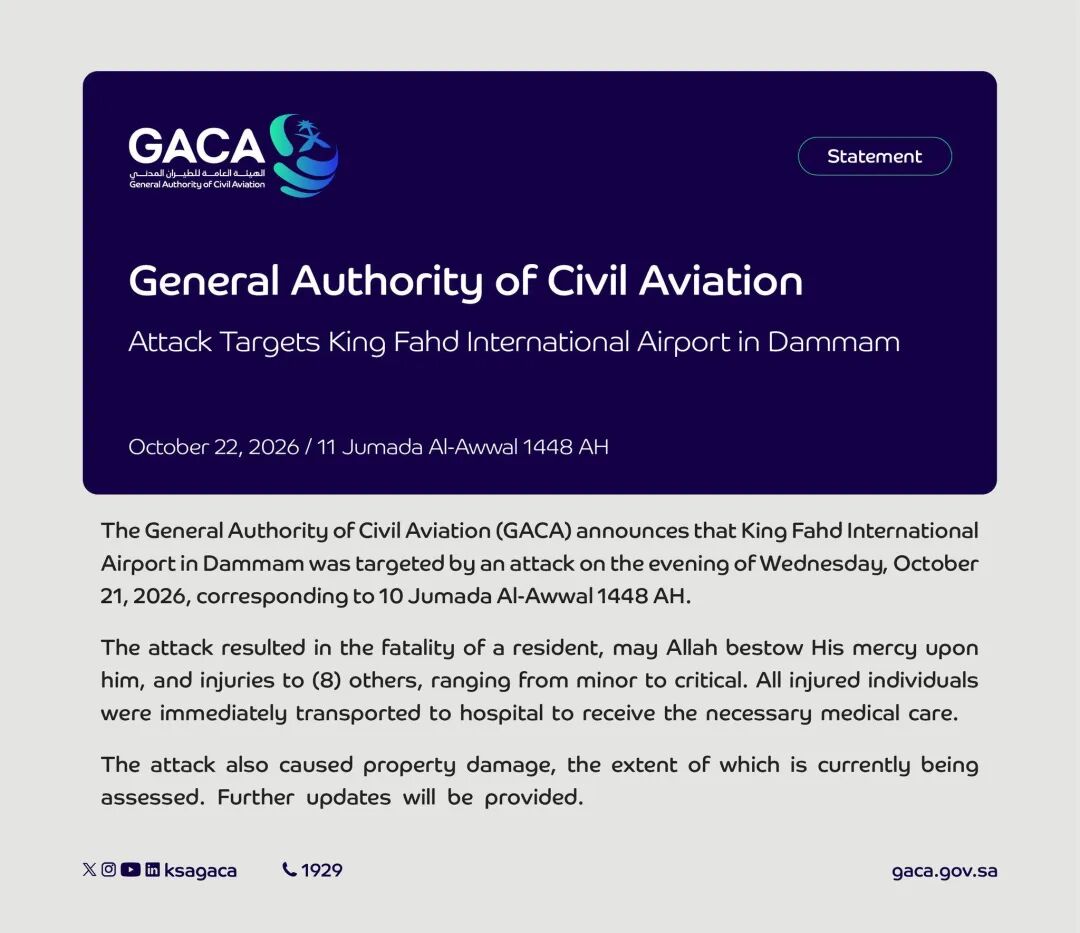
Travel Advisory: Safety Alert for Saudi Arabia Due to Airport Attacks
A deadly attack at King Fahd International Airport in Dammam has caused casualties and disrupted flights. The Chinese Embassy advises citizens to avoid travel and stay vigilant amid rising security threats.

EU's Cold War Approach to China's Arctic Activities Undermines Regional Stability
China criticizes EU's new Arctic strategy for adopting Cold War mentality, warning that geopolitical tensions threaten Arctic peace and sustainable development.
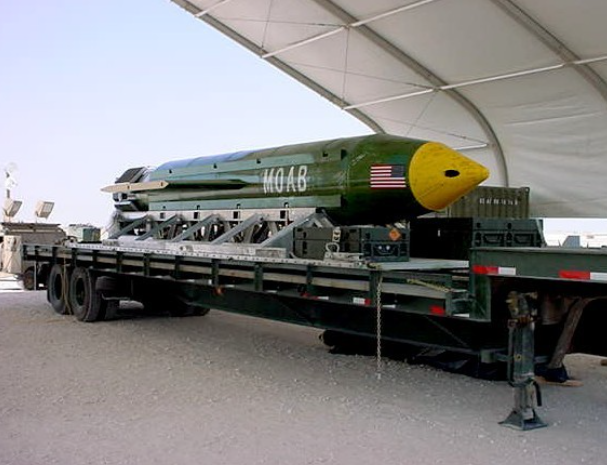
Iran's 'Father of All Bombs' Challenge to US Military Dominance
Iran announces development of 'Father of All Bombs' in response to US military threats, escalating tensions in the Middle East amid potential new military actions.
Latest Articles
- US Israel Strike Plans Against Iran Post-Midterms: Escalation Risks
- Saudi Arabia Execution of Bangladeshi Workers: Debunking the 'Honeymoon Kiss' Myth
- Southwest Airlines Cuts 2026 Profit Forecast Due to Rising Fuel Costs
- eBay 9% Workforce Cut: Strategic Shifts & AI Investment in 2026
- The AI Stock Boom: Goldman Sachs, JPMorgan, and Morgan Stanley's Dominance
- The 30,000 km Journey of Beijing Swifts: Understanding Transnational Bird Conservation