Peru Allocates $1.8 Billion to Combat El Niño and Economic Headwinds
President Kina Fujimori announces a massive fiscal stimulus to address climate crises, fuel costs, and infrastructure needs in 2027.
Source: thepaper.cn
Peru is bracing for a challenging fiscal year as the government unveils an ambitious stimulus package aimed at stabilizing the economy amidst a convergence of natural disasters and global financial pressures. President Kina Fujimori announced on October 22, 2026, that the administration plans to allocate an additional 18 billion Peruvian Soles (approximately $2.2 billion USD) for the 2027 fiscal year. This strategic financial injection is designed to cushion the blow from severe climate anomalies, soaring international fuel prices, and persistently high global interest rates.
Key Takeaways
- Strategic Fiscal Allocation: The government plans to inject 18 billion Soles into the economy to address multiple overlapping crises.
- Direct Social Support: A significant portion of the funds will be directed toward direct cash transfers to vulnerable households to ensure basic welfare.
- Infrastructure Resilience: Major investments will focus on strengthening infrastructure and public works to withstand extreme weather events.
- Climate Crisis Response: The budget includes specific provisions for emergency medical facilities and disaster relief supplies in high-risk zones.
- Macroeconomic Stability: Despite external headwinds, Peru maintains a robust economic foundation that allows for this expanded fiscal policy.

In-Depth Analysis
The decision by the Fujimori administration to significantly increase public spending reveals a complex economic landscape. The primary driver for this fiscal expansion is the looming threat of the El Niño weather phenomenon, which is not merely a weather event but a systemic economic disruptor. The report from the Peruvian Center for El Niño Studies highlights a bifurcated impact: the northern regions face the catastrophic risk of torrential rains, which can lead to catastrophic flooding and landslides, while the southern highlands are bracing for a stark contrast—drought conditions, water scarcity, and an elevated risk of forest fires. This dichotomy requires a highly specialized and geographically targeted response strategy.
Furthermore, the economic context extends beyond climate. The global surge in oil prices acts as a hidden tax on developing nations, inflating the cost of transportation and production. Coupled with high global interest rates, which make borrowing expensive for both the state and private enterprises, the fiscal pressure is immense. However, the government's confidence in announcing this stimulus suggests that Peru’s macroeconomic fundamentals remain surprisingly resilient. By choosing to prioritize direct cash transfers and infrastructure maintenance over broad tax cuts, the administration is signaling a commitment to immediate human relief and long-term structural stability. This approach aims to shield the most vulnerable populations from the volatility of the global market while simultaneously repairing the physical damage caused by climate change.
Frequently Asked Questions
What is the primary goal of Peru's 2027 budget increase?
The primary goal is to safeguard public welfare and sustain economic growth by mitigating the severe impacts of the El Niño phenomenon and the rising cost of living driven by global inflation.
How will the funds be distributed among different sectors?
The funds will be split between social welfare, specifically direct subsidies for low-income families, and critical infrastructure projects, including emergency facilities and transportation networks in affected areas.
Why is the El Niño phenomenon particularly dangerous for Peru right now?
The phenomenon is causing extreme weather divergence; the north faces devastating floods while the south suffers from severe droughts and fire risks, requiring a diverse range of emergency resources.
Source: https://www.thepaper.cn/newsDetail_forward_34317136
Related posts

Israel Imposes Total West Bank Blockade After Hebron Attack
Israel orders a full siege of the West Bank following a deadly attack in Hebron. Here is the analysis of the escalation and the implications for regional security.

Trump Demands SpaceX Lift Starlink Restrictions for Ukraine Amid Geopolitical Tensions
President Trump expressed dissatisfaction with SpaceX CEO Elon Musk over throttling Starlink services, demanding the removal of speed limits to aid Ukraine's defense capabilities against Russian drones.

Louvre, Orsay Museums to Close on Oct 24 Amid Paris Protests
Paris museums including the Louvre and Orsay will close on Oct 24 due to planned demonstrations. Here is what you need to know about the closures and the ongoing unrest.

Moderna Cancer Vaccine Shows Promise Despite Stock Drop After Data Leak
Moderna's personalized cancer vaccine demonstrates significant efficacy in melanoma treatment, causing stock market volatility despite positive clinical results.

Wall Street Titans Debate AI Bubble: Internet Era or Long-Term Winner?
Citadel, BlackRock, and Oaktree leaders clash over AI valuations. Is the tech boom a repeat of 2000, or the dawn of a new era?

Travel Advisory: Safety Alert for Saudi Arabia Due to Airport Attacks
A deadly attack at King Fahd International Airport in Dammam has caused casualties and disrupted flights. The Chinese Embassy advises citizens to avoid travel and stay vigilant amid rising security threats.
EU's Cold War Approach to China's Arctic Activities Undermines Regional Stability
China criticizes EU's new Arctic strategy for adopting Cold War mentality, warning that geopolitical tensions threaten Arctic peace and sustainable development.
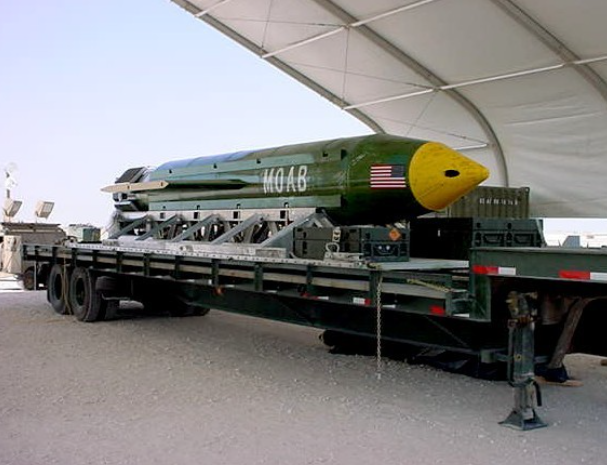
Iran's 'Father of All Bombs' Challenge to US Military Dominance
Iran announces development of 'Father of All Bombs' in response to US military threats, escalating tensions in the Middle East amid potential new military actions.
Latest Articles
- US Israel Strike Plans Against Iran Post-Midterms: Escalation Risks
- Saudi Arabia Execution of Bangladeshi Workers: Debunking the 'Honeymoon Kiss' Myth
- Southwest Airlines Cuts 2026 Profit Forecast Due to Rising Fuel Costs
- eBay 9% Workforce Cut: Strategic Shifts & AI Investment in 2026
- The AI Stock Boom: Goldman Sachs, JPMorgan, and Morgan Stanley's Dominance
- The 30,000 km Journey of Beijing Swifts: Understanding Transnational Bird Conservation