High Fares And Fewer Passengers: Why Airlines Are Profitable Despite Lower Demand
As airfare surges and passenger numbers decline, major carriers prioritize yield over load factor, turning a high-price strategy into record profits despite fuel costs.
Source: CNBC
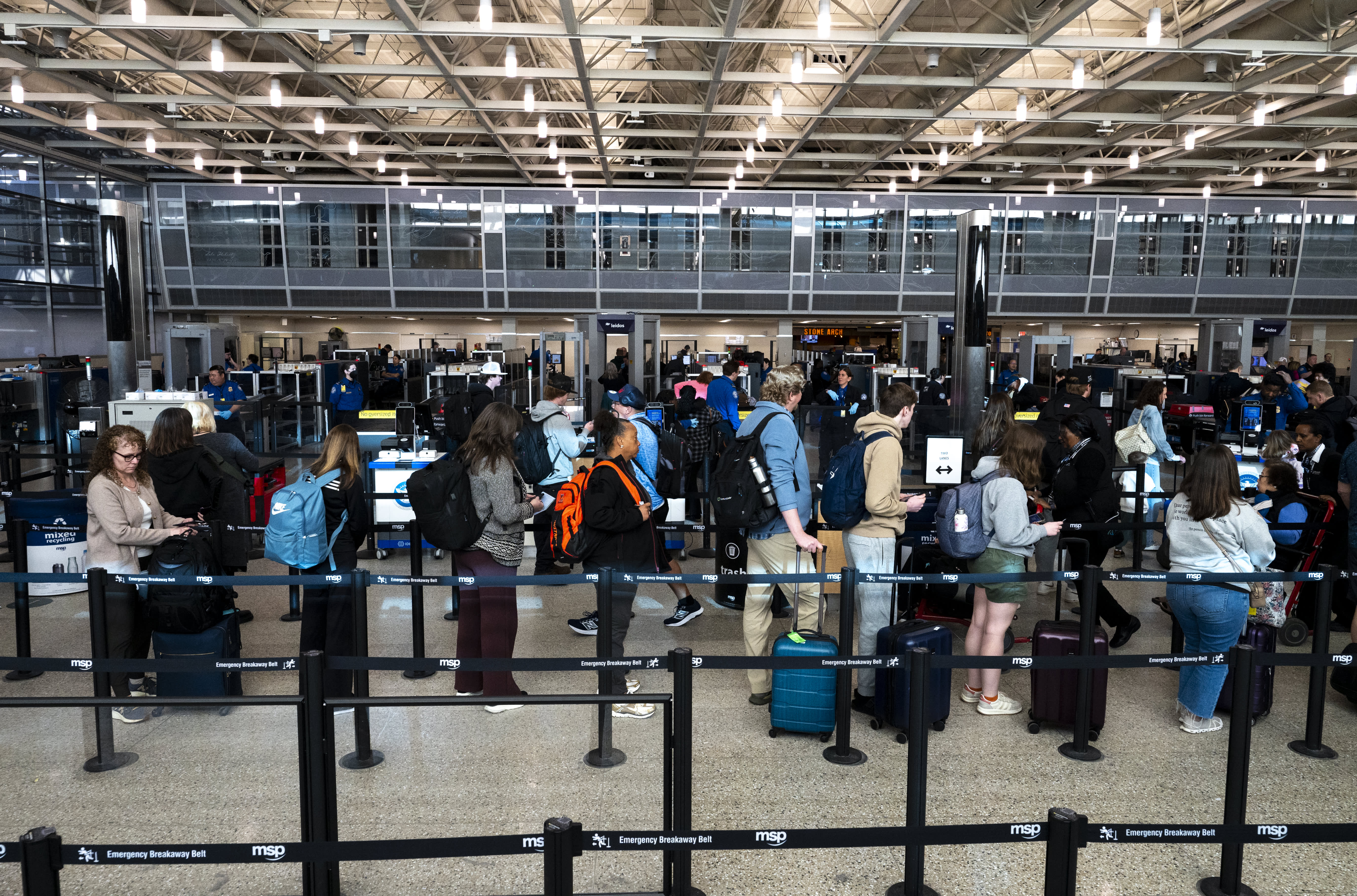
Airline passengers are facing sticker shock this year as ticket prices hit record highs while the number of travelers continues to decline. Despite fewer people boarding planes, airline executives are surprisingly unfazed. In fact, carriers like American Airlines and Southwest are actively prioritizing higher fares over fully filling their seats, a strategy that is proving highly profitable even as passenger volumes drop. This paradox of soaring revenue and shrinking passenger counts highlights a fundamental shift in the airline industry's business model.
Key Takeaways
- Yield Over Load Factor: Major U.S. carriers are shifting their focus from maximizing the number of passengers to maximizing the revenue generated per passenger.
- Record High Fares: Ticket prices have increased significantly due to rising jet fuel costs and a strategic move by airlines to pass expenses to consumers.
- Robust Premium Demand: While overall passenger numbers are down, demand for premium cabins like business class remains strong, driving up average fares.
- Capacity Discipline: Airlines are reducing capacity and growth plans to maintain higher prices and protect margins against fuel inflation.
- Profitability Despite Drop: Even with a decline in passengers, airline profits are up, driven by the ability to raise prices and maintain high load factors on sold seats.
In-Depth Analysis
The current airline landscape is defined by a strategic pivot away from volume-based growth toward yield-based profitability. For years, the industry competed fiercely on price and capacity, often flying planes with empty seats to capture market share. However, the post-pandemic era has seen a reversal of this trend. With jet fuel prices more than double their previous levels, airlines realized they could not absorb these costs without sacrificing margins. Consequently, they adopted a pricing strategy that passes these increased expenses directly to the consumer. The result is a market where fewer people are flying, but the remaining passengers are paying significantly more.
This shift is not just a reaction to fuel costs but a deliberate effort to improve unit economics. By focusing on yield—the revenue earned per available seat mile—airlines are willing to sacrifice load factor, the percentage of seats filled. American Airlines, for example, saw its load factor drop to 83.4% in the third quarter, yet executives remain pleased with the performance because the revenue generated per passenger has risen. This strategy is particularly effective for premium cabins. Business class travelers, who are less price-sensitive, continue to fly in high numbers, subsidizing the lower demand in economy class and keeping overall revenue buoyant.
The impact of this strategy is evident in the financial results of major carriers. United Airlines reported a 16% increase in unit revenue, the highest since the pandemic began, despite a smaller increase in passenger volume. Meanwhile, Southwest Airlines managed to exceed its own forecasts for both fares and passenger counts, proving that even in a high-price environment, demand can remain resilient. However, this resilience is not universal. Smaller, budget-focused carriers like Frontier and Allegiant, which cater to price-sensitive travelers, face greater challenges. The recent bankruptcy of Spirit Airlines further underscores the risks of this business model when fuel prices and fare hikes collide with cost-conscious consumers.
Looking ahead, the industry's confidence in its pricing power suggests that high fares may persist. Airlines are actively managing capacity, reducing growth plans to ensure that the supply of seats does not outpace demand. This capacity discipline, combined with robust demand for premium seats, positions airlines to maintain double-digit margins even as fuel costs remain elevated. The message is clear: in this new era, airlines are no longer afraid to leave seats empty if it means filling them with higher-paying passengers.
Frequently Asked Questions
Q: Why are airline ticket prices so high right now?
A: The primary driver is the significant increase in jet fuel costs, which have more than doubled year-over-year. Airlines have passed these costs on to consumers, and they are also utilizing this opportunity to raise prices to improve profitability.
Q: Are fewer people flying because of high prices?
A: Yes, passenger counts are declining as a result. However, the decline is modest, and demand is still robust, particularly for business class travel. Airlines are willing to trade some passenger volume for higher fares.
Q: Will these high prices last?
A: Most industry analysts believe high fares will persist as long as fuel costs remain elevated. Airlines are maintaining capacity discipline to prevent a price war, which helps sustain current pricing levels.
Source: https://www.cnbc.com/2026/10/23/airfare-airline-capacity.html
Related posts
American Express Cuts 5% of Workforce to Accelerate AI Transformation
American Express announces workforce reduction of 5% to become more agile and prepare for AI integration, with a $336 million restructuring charge.

Israel Imposes Total West Bank Blockade After Hebron Attack
Israel orders a full siege of the West Bank following a deadly attack in Hebron. Here is the analysis of the escalation and the implications for regional security.

Russia Starts Diesel Exports to US: Geopolitical Shifts Ahead
Russian President's spokesperson confirms first oil tanker heading to the US, marking a significant shift in energy markets and sanctions.

Peru Allocates $1.8 Billion to Combat El Niño and Economic Headwinds
President Kina Fujimori announces a massive fiscal stimulus to address climate crises, fuel costs, and infrastructure needs in 2027.

Trump Demands SpaceX Lift Starlink Restrictions for Ukraine Amid Geopolitical Tensions
President Trump expressed dissatisfaction with SpaceX CEO Elon Musk over throttling Starlink services, demanding the removal of speed limits to aid Ukraine's defense capabilities against Russian drones.

Louvre, Orsay Museums to Close on Oct 24 Amid Paris Protests
Paris museums including the Louvre and Orsay will close on Oct 24 due to planned demonstrations. Here is what you need to know about the closures and the ongoing unrest.

Moderna Cancer Vaccine Shows Promise Despite Stock Drop After Data Leak
Moderna's personalized cancer vaccine demonstrates significant efficacy in melanoma treatment, causing stock market volatility despite positive clinical results.

Wall Street Titans Debate AI Bubble: Internet Era or Long-Term Winner?
Citadel, BlackRock, and Oaktree leaders clash over AI valuations. Is the tech boom a repeat of 2000, or the dawn of a new era?
Latest Articles
- Travel Advisory: Safety Alert for Saudi Arabia Due to Airport Attacks
- EU's Cold War Approach to China's Arctic Activities Undermines Regional Stability
- Iran's 'Father of All Bombs' Challenge to US Military Dominance
- US Israel Strike Plans Against Iran Post-Midterms: Escalation Risks
- Saudi Arabia Execution of Bangladeshi Workers: Debunking the 'Honeymoon Kiss' Myth
- Southwest Airlines Cuts 2026 Profit Forecast Due to Rising Fuel Costs