Wonder's Bold Vision: Texas Expansion, Automation, and User-Built Restaurants Ahead of Potential IPO
Marc Lore's food tech giant Wonder plans aggressive Texas expansion, automation push, and user restaurant platform as it considers going public with $9B valuation.
Source: CNBC
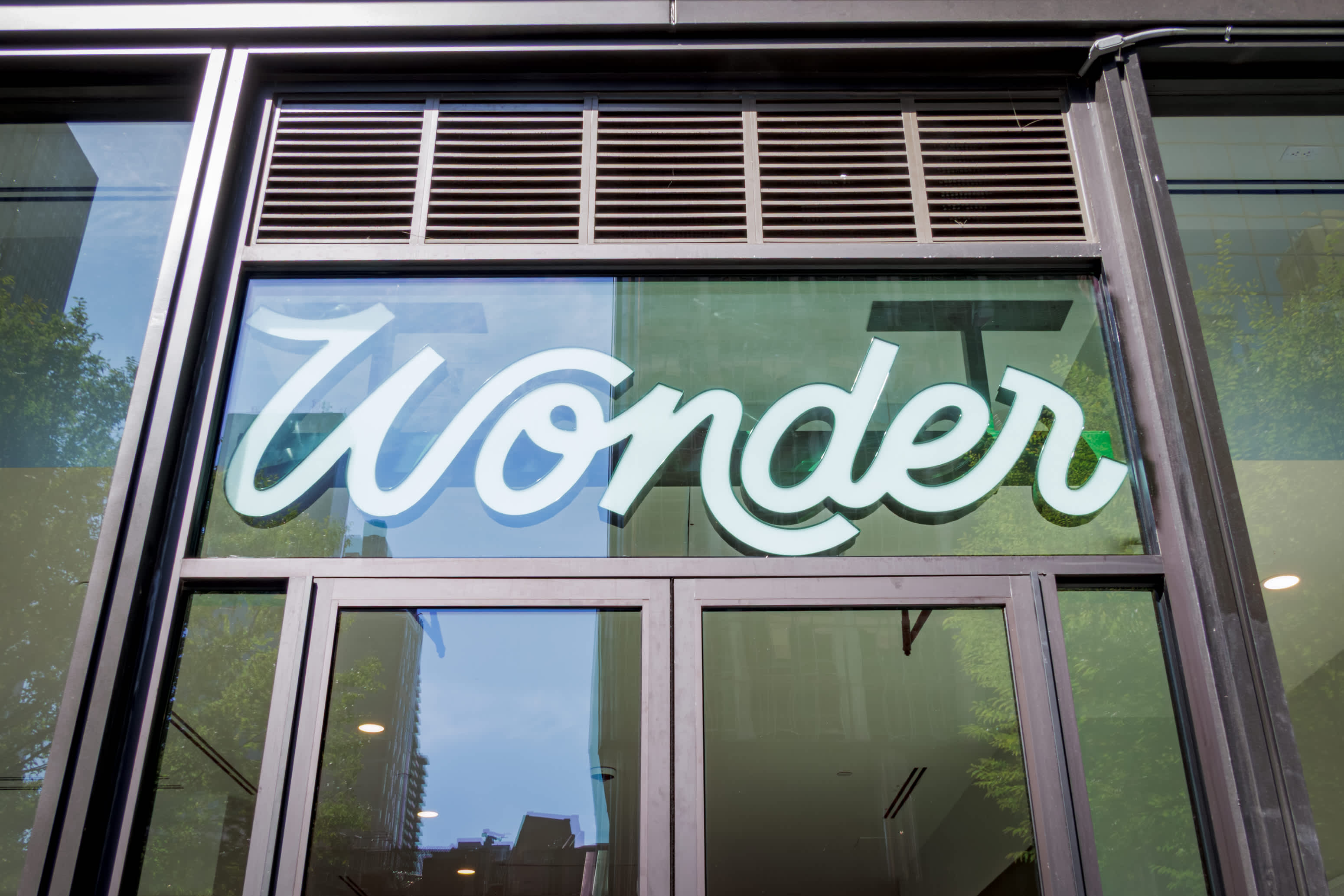
In an increasingly competitive food delivery landscape, Wonder is emerging as a disruptive force with ambitious plans that could reshape how Americans access restaurant-quality food. Founded by serial entrepreneur Marc Lore, this vertically integrated food technology platform has already raised $3.3 billion and achieved a near-$10 billion valuation, signaling strong investor confidence in its vision of making great food more accessible nationwide.
Core Content
-
Vertical Integration Strategy: Wonder operates as a complete food technology ecosystem, owning everything from commissary kitchens to delivery platforms through its acquisition of Grubhub. This vertical integration eliminates traditional delivery fees and commission costs, allowing the company to offer meals at prices lower than delivered groceries while maintaining quality.
-
Texas Expansion: The company is preparing to enter the Texas market with a goal of establishing at least 100 locations by the end of 2027. This aggressive expansion follows successful deployments in 170 storefronts across Virginia to Massachusetts, demonstrating Wonder's ability to scale its model across diverse markets.
-
Automation Roadmap: Wonder is progressively automating kitchen functions, starting with salad and bowl assembly and extending to sauces and beverages. The company aims for complete food preparation and delivery autonomy by 2040, which could dramatically reduce operational costs and improve consistency.
-
Wonder Create Platform: Launching November 17, this subscription service ($10/month) allows influencers, entrepreneurs, and brands to create their own "restaurants" within Wonder locations. AI assists with branding, menu creation, and pricing, effectively democratizing restaurant ownership without the traditional capital requirements and operational complexities.
-
Health-Focused AI Initiative: Wonder's proprietary AI platform MEL leverages personal health data from wearables and biomarkers to prepare customized meals. While not yet available to customers, this technology represents Wonder's long-term vision for personalized nutrition.
Deep Analysis
Wonder represents Marc Lore's ambitious third major venture following his successful exits with Diapers.com (sold to Amazon for $545 million) and Jet.com (acquired by Walmart for $3 billion). His e-commerce expertise rather than restaurant industry knowledge has been crucial in building Wonder's technology-first approach.
The company's strategy of positioning itself as "a new kind of food hall" rather than a ghost kitchen differentiates it from failed delivery-only models that struggled post-pandemic. By combining physical storefronts with technological innovation, Wonder creates a hybrid model that addresses both convenience and experiential dining needs.
Financially, Wonder faces challenges with operating losses despite significant acquisitions including Grubhub, Blue Apron, and several restaurant concepts. The path to profitability likely depends on achieving automation economies of scale and expanding its drone delivery capabilities. The recent hiring of CFO Gabrielle Scheibe Rabinovitch suggests preparations for an IPO, though market conditions will ultimately determine timing.
Competitively, Wonder must overcome consumer skepticism about food quality and value. While social media reviews have been mixed, internal data shows improving taste scores and strong retention rates comparable to established fast-casual chains like Cava and Sweetgreen. The company's success in highly competitive markets like New York demonstrates the viability of its model.
Frequently Asked Questions
What makes Wonder different from traditional food delivery services? Wonder distinguishes itself through vertical integration, owning the entire supply chain from food preparation to delivery. This eliminates third-party commissions and delivery fees, allowing for lower prices while maintaining quality. Unlike ghost kitchens, Wonder operates physical storefronts that create an experiential dining element.
How does Wonder plan to achieve its automation goals? The company is progressively automating kitchen functions, starting with simple tasks like salad assembly and advancing to more complex processes. By 2040, Wonder aims for fully autonomous food preparation and delivery systems, which would significantly reduce labor costs and improve consistency across all locations.
What is the Wonder Create platform and how does it work? Wonder Create is a subscription service allowing users to launch their own restaurant concepts within Wonder locations. For $10 monthly, influencers, entrepreneurs, and brands can use AI assistance to develop their brand identity, create menus, and set pricing. The platform handles all operational aspects while creators earn revenue from their orders, effectively democratizing restaurant ownership.
Source: https://www.cnbc.com/2026/10/25/wonder-ipo-texas-automation.html
Related posts
Brazil Presidential Election Runoff: Bolsonaro vs. Lula
The second round of the Brazilian presidential election begins. Two major political forces clash in a tight race.

Xi Jinping, King Philippe Celebrate 55 Years of China-Belgium Relations
President Xi Jinping and King Philippe exchanged congratulatory messages, highlighting 55 years of strategic partnership and mutual respect.
China's Middle East Envoy Holds Key Talks with Saudi Diplomatic Advisor
China's special envoy for Middle East affairs meets with Saudi diplomatic advisor to discuss bilateral relations and regional stability amid ongoing geopolitical tensions.
Israel Election 2026: Netanyahu Faces Historic Protests and Tight Polls
Israel's upcoming parliamentary election is a referendum on PM Netanyahu. Massive protests and tight polls signal a historic shift in Israeli politics.

US Travel Alert: Middle East Security Risks Rise Amid Iran and Houthi Threats
US State Department updates travel warnings for 13 Middle East nations. Learn about new security risks involving Houthi attacks and Iranian threats.
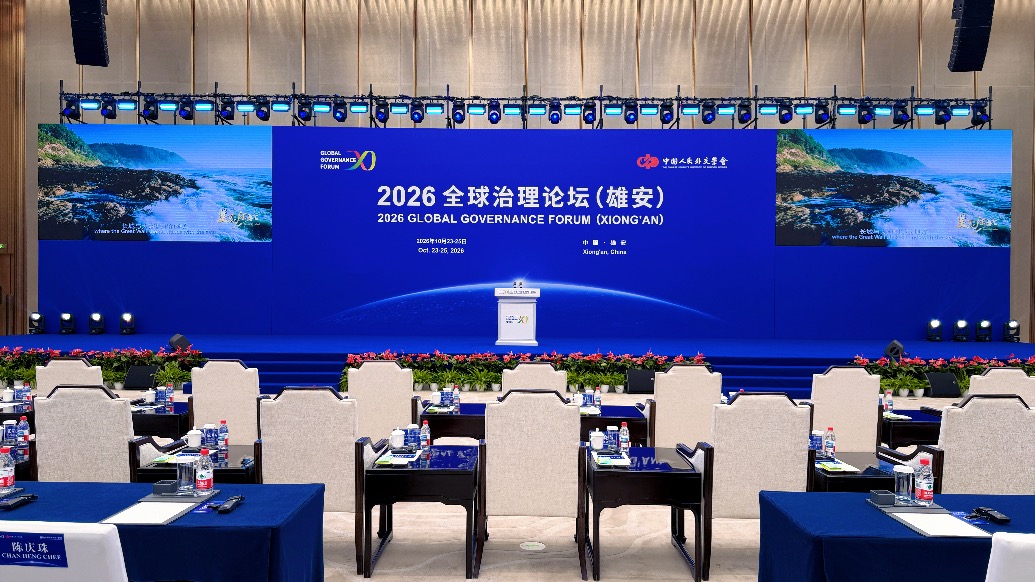
AI Safety Risks: Global Experts Share Solutions at 2026 Governance Forum
International experts gathered at the 2026 Global Governance Forum in Xiong'an to address critical AI safety challenges and propose collaborative solutions.

UN Reform: China's 55-Year Commitment to Multilateralism
Explore China's deepening role at the UN, from peacekeeping to global development initiatives, and how it shapes the future of international cooperation.
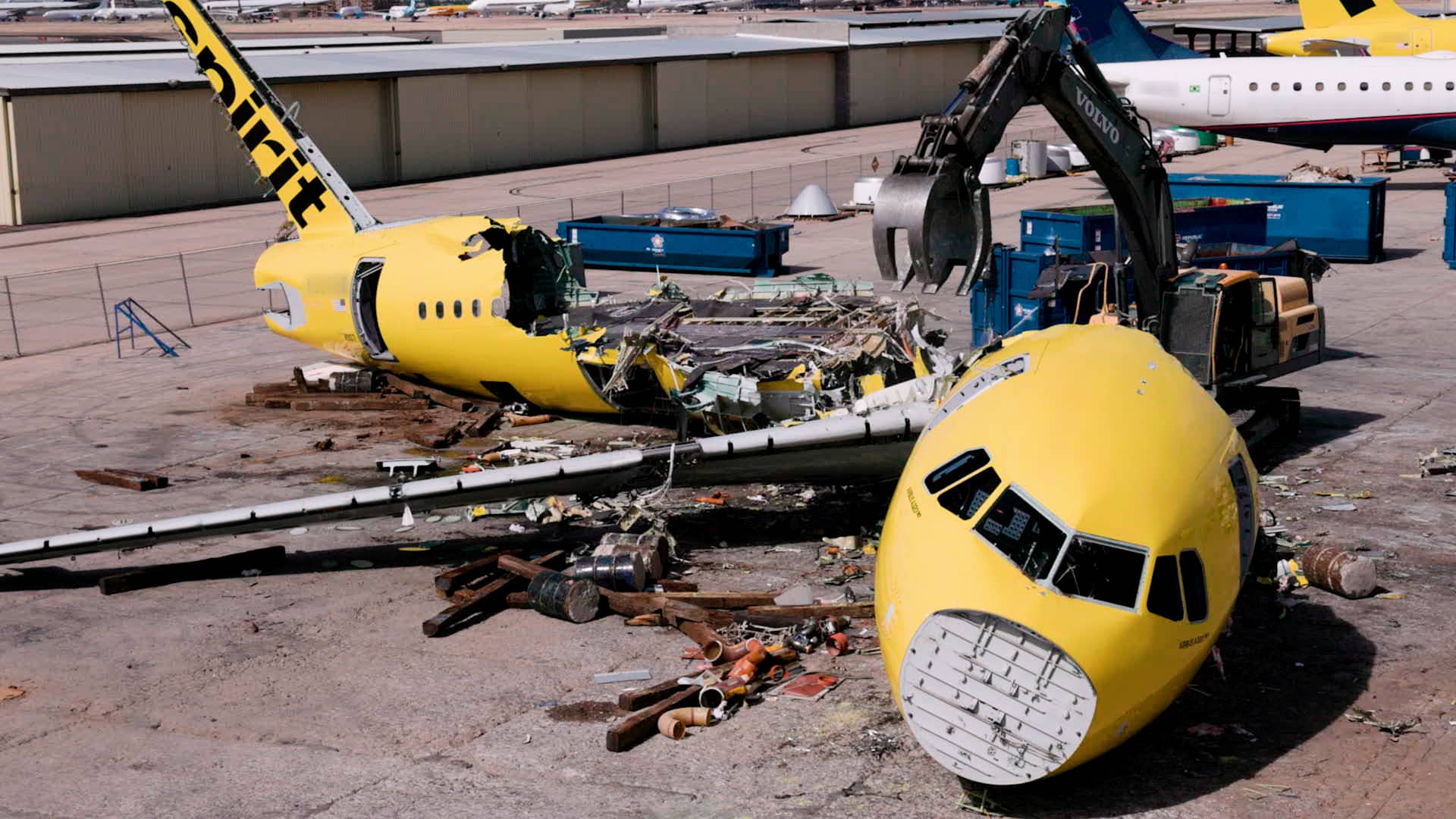
Why Airlines Are Scrapping Brand-New Aircraft Amid Engine Shortage Crisis
Airlines are dismantling planes years ahead of schedule due to unprecedented engine shortages, creating a booming market for aircraft parts while raising concerns about sustainability and operational costs.
Latest Articles
- Comcast Exceeds Q3 Earnings Expectations as Media Strength Outweighs Connectivity Challenges
- David's Bridal Spins Off AI Platform Pearl for Public Listing
- Elon Musk's Billion-Dollar Bet: New Investment in Skydance Media
- NHK Documentary Exposes Secret 1978 Yasukuni Shrine Ritual
- Philippines Air Force Training Crash: 4 Pilots Killed in SF-260 Collision
- North Korea Holds Third Company Commanders Meeting Amid Military Reinforcement