UN Reform: China's 55-Year Commitment to Multilateralism
Explore China's deepening role at the UN, from peacekeeping to global development initiatives, and how it shapes the future of international cooperation.
Source: thepaper.cn
In an era marked by geopolitical volatility, the United Nations remains the indispensable forum for global governance. As the world grapples with complex crises ranging from regional conflicts to climate change, the relevance of multilateral institutions is under intense scrutiny. However, a recent analysis by China's Permanent Representative to the UN highlights a steadfast dedication to strengthening the world organization. This perspective offers critical insights into how a major global power views its responsibilities within the UN framework and what it means for the future of international order.
Key Contributions to Global Stability
-
A Legacy of Peacekeeping: For over five decades, China has been a steadfast pillar of UN peacekeeping efforts. As the largest contributor of personnel among the permanent members of the Security Council, China has deployed over 50,000 peacekeepers. This commitment has not only stabilized conflict zones but has also cost the lives of 21 Chinese personnel, symbolizing a tangible sacrifice for global security.
-
Driving Development Initiatives: Recognizing that peace is a prerequisite for development, China has actively supported the United Nations 2030 Agenda for Sustainable Development. Through the "Global Development Initiative," China has mobilized resources and launched over 2,000 cooperative projects in more than 120 countries. These efforts range from poverty alleviation to building infrastructure, directly translating global goals into tangible improvements in daily life for millions.
-
Promoting Civilizational Dialogue: In an increasingly polarized world, China has championed the importance of cultural exchange. By successfully advocating for the establishment of "International Day for Inter-Civilizational Dialogue" at the UN General Assembly, China has provided a platform for nations to foster mutual understanding. This initiative is designed to counteract extremism and build a foundation of respect and harmony in international relations.
-
Innovating Global Governance: China is not content with maintaining the status quo; it is actively reforming it. By proposing the establishment of the International Mediation Court and the World Artificial Intelligence Cooperation Organization, China is introducing new mechanisms to address modern challenges. These efforts aim to create a more just and reasonable global governance system that can effectively tackle issues like digital ethics and transboundary disputes.
Economic and Financial Support: China's financial contribution to the UN is substantial. As the second-largest contributor to the UN budget and peacekeeping assessments, China provides the necessary financial stability for the organization to function. This economic backing ensures that the UN can continue to deliver on its humanitarian and developmental mandates without interruption.
Deep Analysis: The Strategic Imperative of Multilateralism
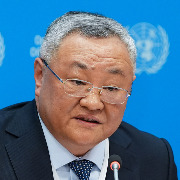
The article by Ambassador Fu Cong underscores a strategic shift in Chinese foreign policy: the elevation of multilateralism as a core pillar of statecraft. The narrative of the last 55 years is not merely about participation but about active empowerment. By framing its support for the UN through the lens of the "Community with a Shared Future for Mankind," China is positioning itself as a necessary architect of the new world order. This approach allows China to leverage the UN's legitimacy to advance its own diplomatic goals, such as the Belt and Road Initiative, while simultaneously providing the global South with an alternative development model.
Furthermore, the emphasis on "activating" the UN suggests a desire to move beyond the UN as a debating society. China is pushing for the organization to be more proactive, particularly in areas like mediation and AI governance. This reflects a recognition that traditional diplomatic channels are often too slow to address rapid technological and security changes. By proposing new bodies like the International Mediation Court, China is essentially trying to institutionalize its own conflict resolution philosophy, which often emphasizes dialogue and compromise over coercion. This dynamic creates a complex interplay where China is both a supporter of the existing system and a reformer seeking to reshape it to better suit its interests.
Frequently Asked Questions
How has China's role at the UN evolved over the last 55 years?
China's evolution has been profound, transitioning from a post-revolutionary state seeking recognition to a global superpower with significant institutional leverage. Initially, China focused on securing its sovereignty and representation within the organization. Over the decades, this expanded to include active participation in peacekeeping, substantial financial contributions, and the leadership of major global initiatives like the Sustainable Development Goals. Today, China is not just a member but a key agenda-setter, particularly for developing nations.
What is the Global Development Initiative (GDI)?
The Global Development Initiative is a diplomatic framework proposed by China to accelerate the implementation of the 2030 Agenda for Sustainable Development. It focuses on poverty eradication, food security, and industrialization. Unlike traditional aid, the GDI emphasizes high-quality development and aims to create a global development partnership that is more inclusive and equitable, directly addressing the needs of developing countries.
Source: https://www.thepaper.cn/newsDetail_forward_34327222
Related posts

Why Airlines Are Scrapping Brand-New Aircraft Amid Engine Shortage Crisis
Airlines are dismantling planes years ahead of schedule due to unprecedented engine shortages, creating a booming market for aircraft parts while raising concerns about sustainability and operational costs.

Comcast Exceeds Q3 Earnings Expectations as Media Strength Outweighs Connectivity Challenges
Comcast beats Wall Street expectations with strong media performance, while Peacock streaming service turns profitable for second time. The company faces challenges in connectivity but sees growth opportunities in mobile.

David's Bridal Spins Off AI Platform Pearl for Public Listing
David's Bridal plans to spin off its AI platform Pearl into a publicly traded company, targeting a $350M valuation and a first-half 2027 IPO.
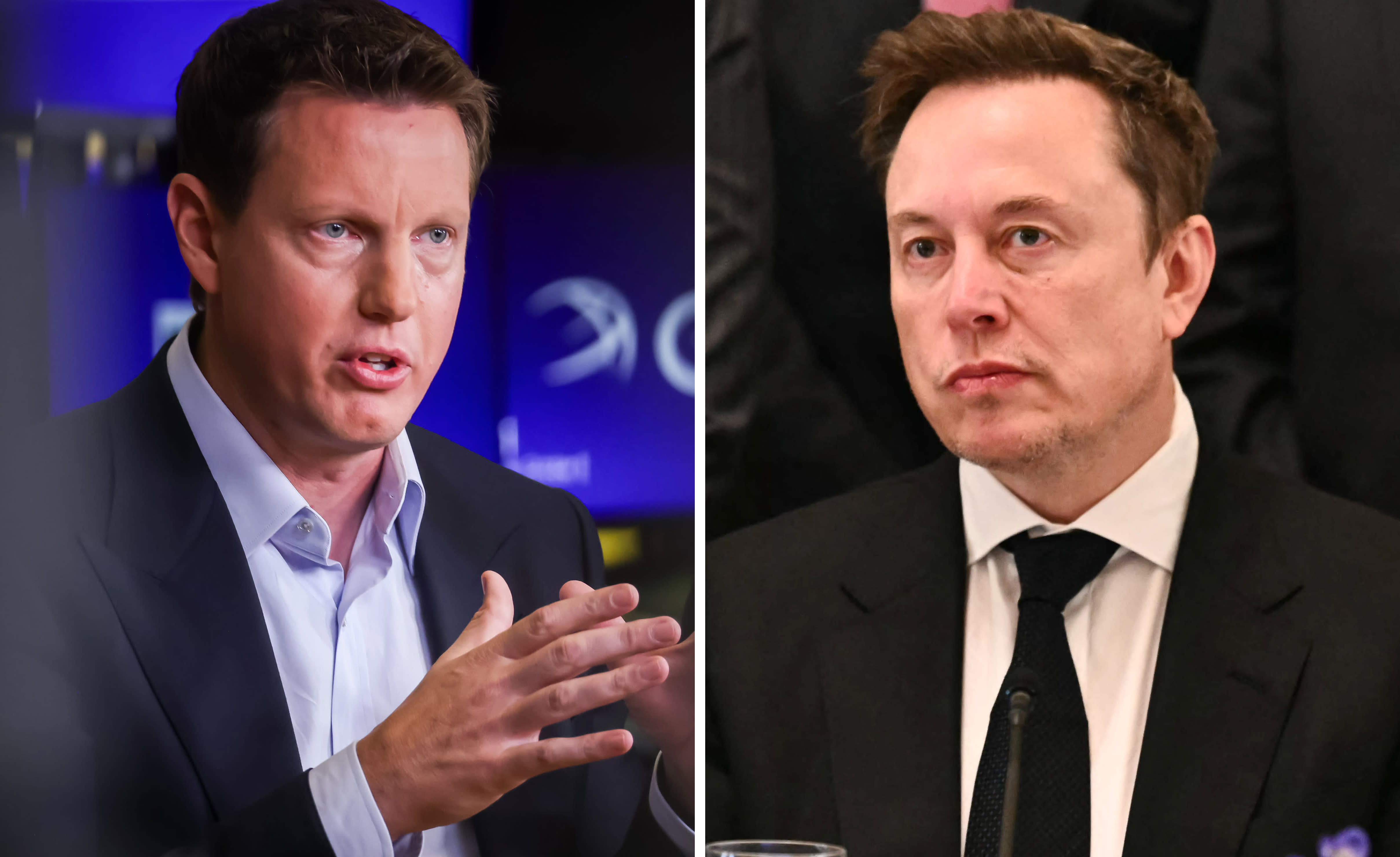
Elon Musk's Billion-Dollar Bet: New Investment in Skydance Media
Elon Musk invests $1 billion in Skydance, a major media merger involving Paramount and Warner Bros. Discovery. This strategic move aims to cut costs and secure the future of the combined entertainment giant.

NHK Documentary Exposes Secret 1978 Yasukuni Shrine Ritual
Newly released archival footage reveals the 1978 secret ritual that enshrined Class-A war criminals, exposing Japan's persistent historical revisionism.
Philippines Air Force Training Crash: 4 Pilots Killed in SF-260 Collision
A tragic air collision during a routine training mission in the Philippines has resulted in the deaths of four Air Force pilots. The incident highlights critical safety concerns within the country's military aviation infrastructure.
North Korea Holds Third Company Commanders Meeting Amid Military Reinforcement
Analysis of North Korea's recent military leadership gathering focused on strengthening company-level units and enhancing combat readiness.

Gen Z Candidates Tackle Housing Crisis in Midterms 2026
Young lawmakers from both parties are campaigning on solving the record-high cost of living. Explore how Gen Z is reshaping the housing debate.
Latest Articles
- Tibetan Plateau Earthquake: Analysis of the 7.0 Magnitude Quake and Post-Disaster Response
- Meta's New Link Policy: Why Social Media Sites Want You to Stay
- Darden vs. Chipotle: How Portfolio Diversification Impacts Restaurant Stock Performance in 2026
- High Fares And Fewer Passengers: Why Airlines Are Profitable Despite Lower Demand
- American Express Cuts 5% of Workforce to Accelerate AI Transformation
- Israel Imposes Total West Bank Blockade After Hebron Attack