China's Middle East Envoy Holds Key Talks with Saudi Diplomatic Advisor
China's special envoy for Middle East affairs meets with Saudi diplomatic advisor to discuss bilateral relations and regional stability amid ongoing geopolitical tensions.
Source: thepaper.cn
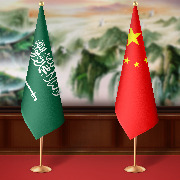
In a significant diplomatic development that underscores China's growing influence in the Middle East, Chinese Special Envoy for Middle East Affairs Zhai Jun met with Prince Khalid bin Saud bin Khalid Al Saud, Advisor to the Saudi Minister of Foreign Affairs, in Beijing on October 21, 2026. The high-level discussions focused on strengthening China-Saudi relations and addressing the complex geopolitical landscape in the Middle East, highlighting Beijing's increasingly active role in regional diplomacy.
Key Points
- Strategic Partnership: The meeting reaffirmed the rapid development of China-Saudi relations under the strategic guidance of both countries' top leadership. This relationship has evolved into a comprehensive strategic partnership with significant economic and political dimensions.
- Regional Stability: China expressed its serious concern about the current situation in the Middle East, emphasizing its support for maintaining the sovereignty and security of regional countries, including Saudi Arabia. The Chinese delegation stressed the importance of resolving differences through dialogue and negotiation.
- Peaceful Resolution: Beijing called for an early restoration of peace and tranquility in the region, advocating for a diplomatic approach to the various conflicts and tensions that have plagued the Middle East in recent years.
- Saudi-China Collaboration: Prince Khalid conveyed Saudi Arabia's high regard for its relationship with China, expressing the kingdom's willingness to work together with Beijing to open new prospects for bilateral cooperation across multiple sectors.
- Regional Role: The Saudi delegation specifically appreciated China's fair and just stance in regional affairs and its positive contributions to maintaining stability, indicating a desire for enhanced communication and coordination on Middle Eastern issues.
In-depth Analysis
The meeting between China's Middle East envoy and the Saudi diplomatic advisor comes at a critical juncture in Middle Eastern geopolitics, as traditional Western powers reassess their regional strategies while China positions itself as an alternative diplomatic partner. China's approach to Middle Eastern diplomacy has been characterized by its non-interference policy, emphasis on economic development, and commitment to multilateral solutions—contrasting with the more interventionist approaches historically taken by Western powers.
Economically, China-Saudi relations have deepened significantly through initiatives like the Belt and Road, with Saudi Arabia being China's largest trading partner in the Arab world and a major supplier of oil. The political dimension has grown equally important, with both countries finding common ground on issues ranging from regional security to international governance reform. This diplomatic engagement reflects China's broader strategy of expanding its global influence through economic partnerships and diplomatic initiatives, particularly in regions where traditional Western influence is perceived as waning.
Looking ahead, China's role in Middle Eastern diplomacy is likely to expand further as the region seeks alternative partners amid shifting global power dynamics. The Saudi-China relationship could serve as a model for China's engagement with other Middle Eastern countries, potentially creating a new diplomatic architecture in the region that balances traditional alliances with emerging partnerships.
Frequently Asked Questions
What is China's strategic interest in the Middle East? China's primary interests in the Middle East include securing energy resources, expanding economic partnerships through initiatives like the Belt and Road, and establishing itself as a major diplomatic player in a region traditionally dominated by Western powers.
How does China's approach differ from Western diplomacy in the region? China emphasizes non-interference in domestic affairs, prioritizes economic development over political reform, and advocates for multilateral solutions to regional conflicts, contrasting with the more interventionist approaches historically taken by Western powers.
Source: https://www.thepaper.cn/newsDetail_forward_34328626
Related posts
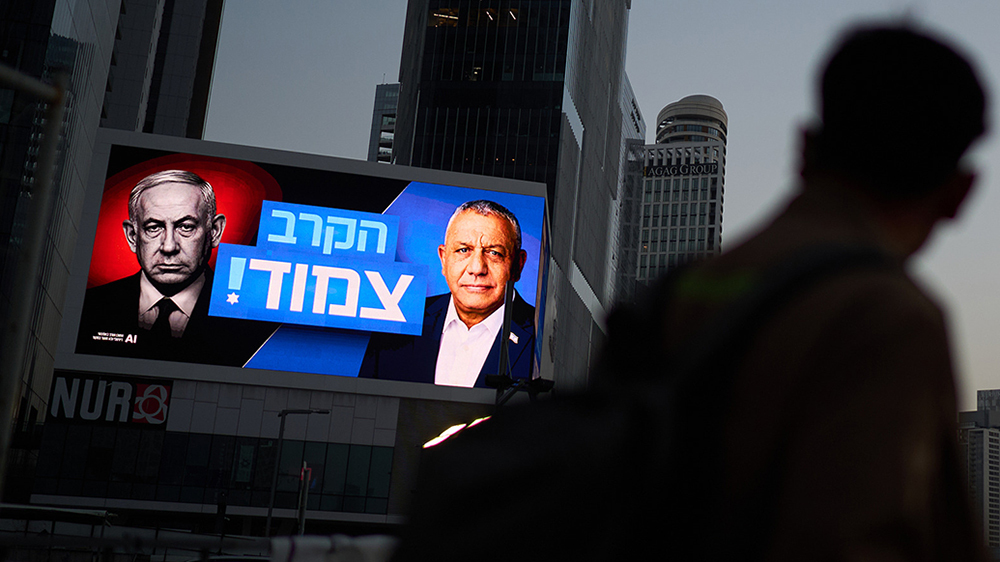
Israel Election 2026: Netanyahu Faces Historic Protests and Tight Polls
Israel's upcoming parliamentary election is a referendum on PM Netanyahu. Massive protests and tight polls signal a historic shift in Israeli politics.

US Travel Alert: Middle East Security Risks Rise Amid Iran and Houthi Threats
US State Department updates travel warnings for 13 Middle East nations. Learn about new security risks involving Houthi attacks and Iranian threats.
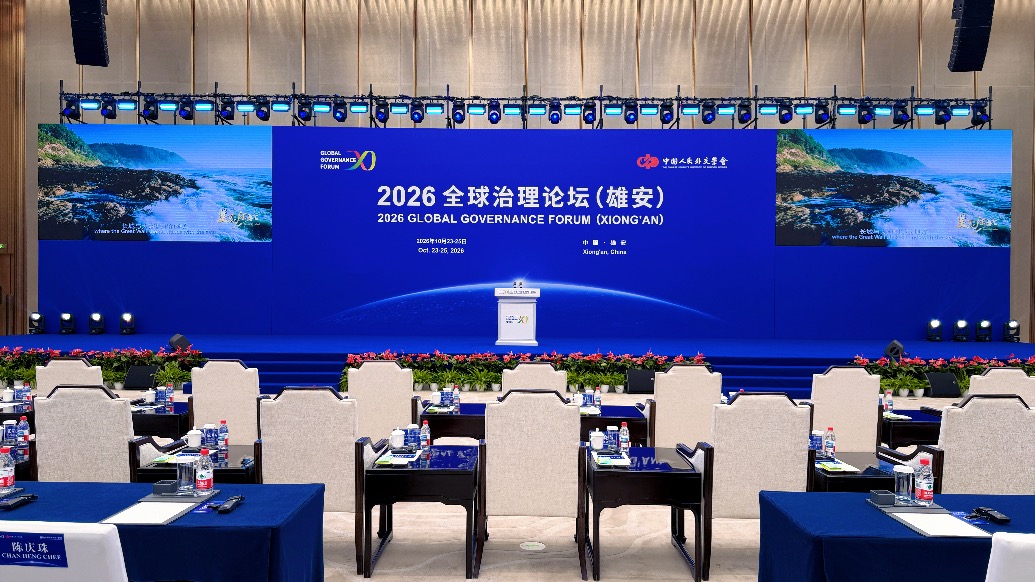
AI Safety Risks: Global Experts Share Solutions at 2026 Governance Forum
International experts gathered at the 2026 Global Governance Forum in Xiong'an to address critical AI safety challenges and propose collaborative solutions.
UN Reform: China's 55-Year Commitment to Multilateralism
Explore China's deepening role at the UN, from peacekeeping to global development initiatives, and how it shapes the future of international cooperation.

Why Airlines Are Scrapping Brand-New Aircraft Amid Engine Shortage Crisis
Airlines are dismantling planes years ahead of schedule due to unprecedented engine shortages, creating a booming market for aircraft parts while raising concerns about sustainability and operational costs.

Comcast Exceeds Q3 Earnings Expectations as Media Strength Outweighs Connectivity Challenges
Comcast beats Wall Street expectations with strong media performance, while Peacock streaming service turns profitable for second time. The company faces challenges in connectivity but sees growth opportunities in mobile.

David's Bridal Spins Off AI Platform Pearl for Public Listing
David's Bridal plans to spin off its AI platform Pearl into a publicly traded company, targeting a $350M valuation and a first-half 2027 IPO.
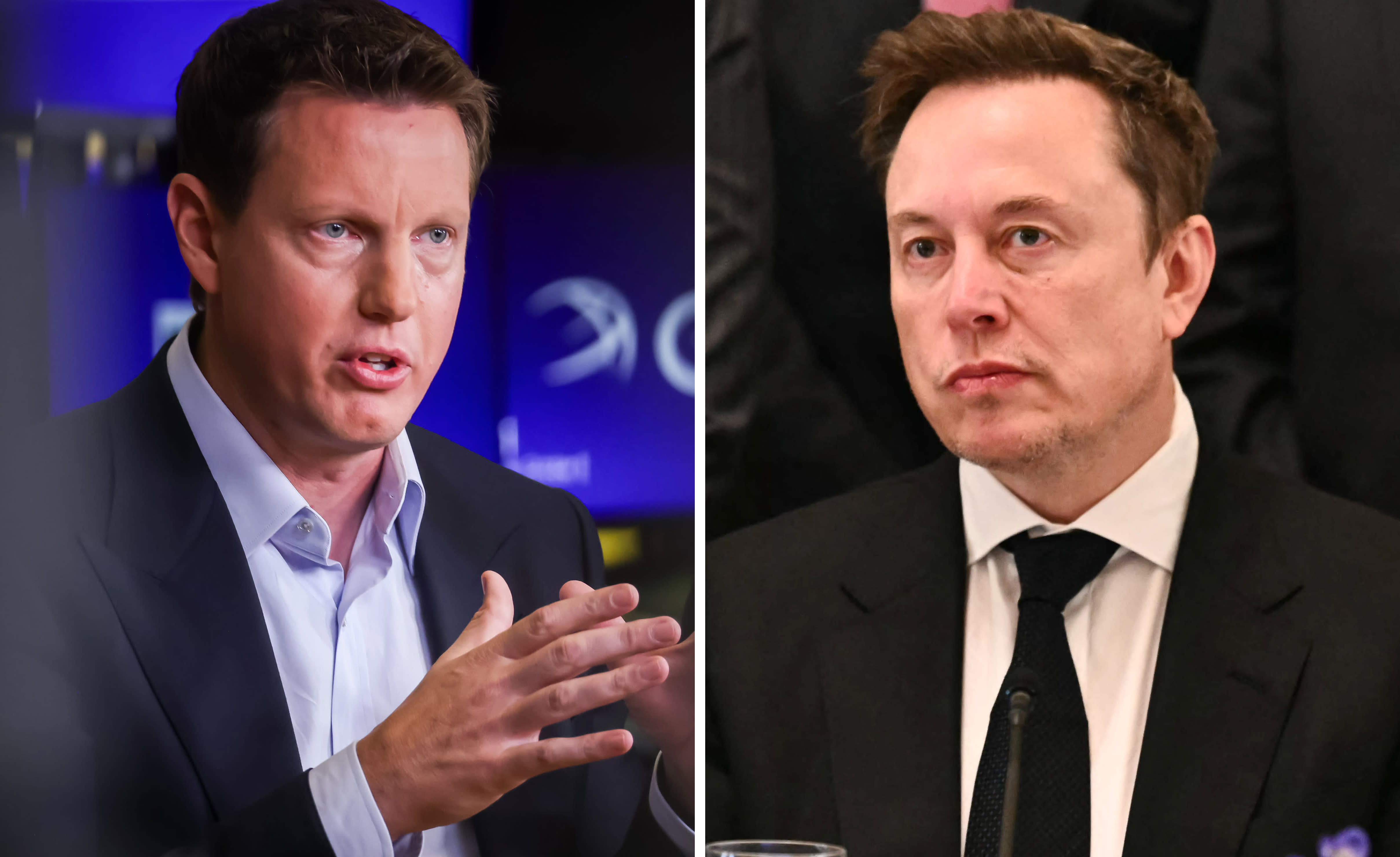
Elon Musk's Billion-Dollar Bet: New Investment in Skydance Media
Elon Musk invests $1 billion in Skydance, a major media merger involving Paramount and Warner Bros. Discovery. This strategic move aims to cut costs and secure the future of the combined entertainment giant.
Latest Articles
- NHK Documentary Exposes Secret 1978 Yasukuni Shrine Ritual
- Philippines Air Force Training Crash: 4 Pilots Killed in SF-260 Collision
- North Korea Holds Third Company Commanders Meeting Amid Military Reinforcement
- Gen Z Candidates Tackle Housing Crisis in Midterms 2026
- Tibetan Plateau Earthquake: Analysis of the 7.0 Magnitude Quake and Post-Disaster Response
- Meta's New Link Policy: Why Social Media Sites Want You to Stay