AI Safety Risks: Global Experts Share Solutions at 2026 Governance Forum
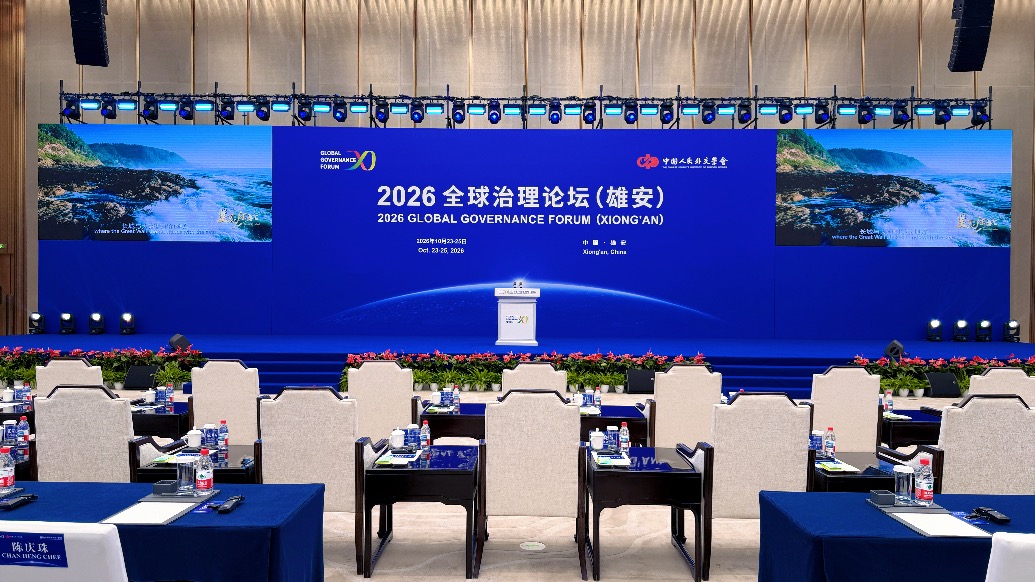
International experts gathered at the 2026 Global Governance Forum in Xiong'an to address critical AI safety challenges and propose collaborative solutions.
Source: thepaper.cn
As artificial intelligence continues to transform our world at an unprecedented pace, the question of how to manage its inherent risks has become one of the most pressing challenges of our time. The 2026 Global Governance Forum in Xiong'an brought together leading minds from across the globe to tackle this critical issue, offering valuable insights into how we can navigate the complex landscape of AI safety while fostering innovation and international cooperation.
Key Insights
-
International Collaboration is Essential: Experts emphasized that addressing AI safety risks requires coordinated global efforts rather than isolated approaches. The interconnected nature of AI development and deployment means that unilateral actions may create gaps that could be exploited maliciously.
-
Regulatory Frameworks Must Balance Innovation and Safety: The consensus among participants was that effective governance should not stifle technological advancement but rather create guardrails that ensure responsible development. This includes establishing clear guidelines for AI testing, deployment, and monitoring.
-
Transparency and Explainability: There was strong agreement on the need for AI systems to be transparent and their decision-making processes explainable. This is particularly crucial for high-stakes applications in healthcare, finance, and critical infrastructure where opaque algorithms could have severe consequences.
-
Public-Private Partnerships: The forum highlighted successful models where government agencies and technology companies work together to develop safety standards. These partnerships combine regulatory expertise with technical knowledge to create more effective governance mechanisms.
-
Global Standards for AI Security: Experts called for the establishment of internationally recognized security standards for AI systems, similar to existing frameworks for other critical technologies. Such standards would help ensure consistent safety measures across borders and facilitate global cooperation.
In-depth Analysis
The discussions at the Xiong'an forum reflect a growing recognition that AI safety is not merely a technical challenge but a governance imperative that requires coordinated international action. As AI systems become increasingly sophisticated and autonomous, the potential risks—from algorithmic bias to malicious applications—continue to evolve in complexity and scale. The forum's emphasis on rebuilding confidence and cooperation in global governance comes at a critical juncture in technological development.
The Chinese perspective presented at the forum, complemented by international viewpoints, suggests a maturing approach to AI governance that prioritizes both innovation and safety. This balanced approach is particularly relevant as China continues to advance its AI capabilities while positioning itself as a responsible stakeholder in global technological governance. The participation of experts like Andrea Renda and Nicolas Mièlje indicates a recognition that addressing AI safety requires diverse perspectives and collaborative solutions.
Looking ahead, the recommendations from the Xiong'an forum are likely to influence policy discussions and regulatory frameworks worldwide. As we approach 2030, the integration of AI into critical systems will accelerate, making the establishment of robust governance mechanisms increasingly urgent. The forum's focus on practical solutions rather than theoretical discussions suggests a shift toward actionable policies that can be implemented across different jurisdictions and technological contexts.
Frequently Asked Questions
What makes AI safety governance particularly challenging? AI safety governance presents unique challenges due to the rapid pace of technological advancement, the complexity of AI systems, and the global nature of AI development and deployment. Unlike traditional technologies, AI can learn and adapt, making it difficult to predict behavior and establish static regulatory frameworks.
How can different countries coordinate on AI safety standards? International coordination can be achieved through multilateral agreements, technical standards organizations, and regular forums for dialogue. The Xiong'an forum demonstrates the value of bringing together diverse perspectives to develop consensus approaches that respect different national contexts while establishing common safety principles.
Source: https://www.thepaper.cn/newsDetail_forward_34326151
Related posts

US Travel Alert: Middle East Security Risks Rise Amid Iran and Houthi Threats
US State Department updates travel warnings for 13 Middle East nations. Learn about new security risks involving Houthi attacks and Iranian threats.
Israel Election 2026: Netanyahu Faces Historic Protests and Tight Polls
Israel's upcoming parliamentary election is a referendum on PM Netanyahu. Massive protests and tight polls signal a historic shift in Israeli politics.
UN Reform: China's 55-Year Commitment to Multilateralism
Explore China's deepening role at the UN, from peacekeeping to global development initiatives, and how it shapes the future of international cooperation.
Why Airlines Are Scrapping Brand-New Aircraft Amid Engine Shortage Crisis
Airlines are dismantling planes years ahead of schedule due to unprecedented engine shortages, creating a booming market for aircraft parts while raising concerns about sustainability and operational costs.

Comcast Exceeds Q3 Earnings Expectations as Media Strength Outweighs Connectivity Challenges
Comcast beats Wall Street expectations with strong media performance, while Peacock streaming service turns profitable for second time. The company faces challenges in connectivity but sees growth opportunities in mobile.

David's Bridal Spins Off AI Platform Pearl for Public Listing
David's Bridal plans to spin off its AI platform Pearl into a publicly traded company, targeting a $350M valuation and a first-half 2027 IPO.
Elon Musk's Billion-Dollar Bet: New Investment in Skydance Media
Elon Musk invests $1 billion in Skydance, a major media merger involving Paramount and Warner Bros. Discovery. This strategic move aims to cut costs and secure the future of the combined entertainment giant.

NHK Documentary Exposes Secret 1978 Yasukuni Shrine Ritual
Newly released archival footage reveals the 1978 secret ritual that enshrined Class-A war criminals, exposing Japan's persistent historical revisionism.
Latest Articles
- Philippines Air Force Training Crash: 4 Pilots Killed in SF-260 Collision
- North Korea Holds Third Company Commanders Meeting Amid Military Reinforcement
- Gen Z Candidates Tackle Housing Crisis in Midterms 2026
- Tibetan Plateau Earthquake: Analysis of the 7.0 Magnitude Quake and Post-Disaster Response
- Meta's New Link Policy: Why Social Media Sites Want You to Stay
- Darden vs. Chipotle: How Portfolio Diversification Impacts Restaurant Stock Performance in 2026