Israel Election 2026: Netanyahu Faces Historic Protests and Tight Polls
Israel's upcoming parliamentary election is a referendum on PM Netanyahu. Massive protests and tight polls signal a historic shift in Israeli politics.
Source: thepaper.cn
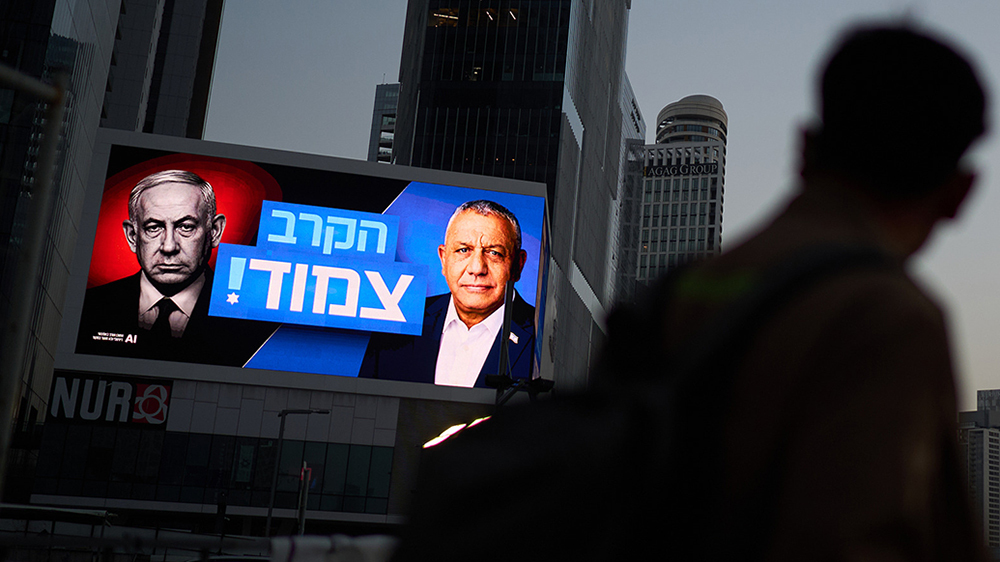
Israel is on the brink of a political earthquake. As the nation prepares to vote on October 27, 2026, the political landscape has shifted dramatically. Prime Minister Benjamin Netanyahu, who has held power for nearly two decades, now faces not just electoral defeat but a massive wave of public dissent. The upcoming election is widely viewed as a referendum on his leadership, with the opposition gaining significant ground.
Key Developments
- Massive Protests in Tel Aviv: Thousands of citizens gathered in Tel Aviv on October 24, 2026, to demand accountability for the security failures that led to the October 7 attacks. The protests were organized by the "October Committee," a group formed by families of victims and hostages.
- Tightest Election Race in Years: The latest polls show a dead heat between Netanyahu’s Likud bloc and the opposition led by Gadi Eisenkot. Neither side is projected to secure the 61-seat majority needed to form a government alone.
- Historic Political Divide: The election is no longer about traditional left-vs-right politics. The primary divide is between those supporting Netanyahu and those united in opposition to his leadership.
- Opposition Leader’s Rise: Gadi Eisenkot, a former IDF chief of staff, has emerged as the main challenger. He is campaigning on a platform of political integrity and limiting the prime minister’s power.
- Rejection of Government Commission: Netanyahu’s coalition government rejected the opposition’s demand for an independent investigation into the October 7 failures. Instead, they proposed a "political" committee, which the opposition has vowed to boycott.
- Netanyahu’s Longest Rule: Netanyahu has been in office since 1996, with a cumulative total of nearly 19 years. His potential ouster would mark a significant turning point in modern Israeli history.
- Global Attention: The election is being closely watched by international observers, who see it as a test of Israeli democracy and its ability to confront its security failures.
Deep Dive Analysis
The political turmoil unfolding in Israel is a direct consequence of the October 7 attacks and the subsequent security failures. The "October Committee" has successfully mobilized public anger, transforming isolated grievances into a cohesive political force. This protest movement is unique because it is not driven by a single political party but by a broad coalition of bereaved families and civil society groups.
The election results will have profound implications for Israel’s future. A victory for the opposition would likely lead to a significant overhaul of the security establishment and a renewed push for judicial reform. Conversely, a Netanyahu victory would likely solidify his grip on power and continue his current political agenda.
The economic impact of this political instability is also a major concern. Investors are wary of the uncertainty, and the Israeli shekel has faced pressure in recent weeks. The coming weeks will be critical as the two sides engage in a final push to win over undecided voters.
The global community is also closely monitoring the situation. The election outcome will influence Israel’s relationships with its allies and its approach to regional conflicts. As the election approaches, the tension in the region is palpable, and the world waits to see how this historic political battle will play out.
Frequently Asked Questions
Q: When is the election taking place? A: The election is scheduled for October 27, 2026. This is the first national election since the October 7 attacks.
Q: Who is the main challenger to Benjamin Netanyahu? A: The main challenger is Gadi Eisenkot, a former IDF chief of staff and leader of the opposition bloc.
Q: What is the "October Committee"? A: The "October Committee" is a group formed by families of victims and hostages from the October 7 attacks. They are organizing protests and demanding an independent investigation into the security failures.
Source: https://www.thepaper.cn/newsDetail_forward_34327757
Related posts

US Travel Alert: Middle East Security Risks Rise Amid Iran and Houthi Threats
US State Department updates travel warnings for 13 Middle East nations. Learn about new security risks involving Houthi attacks and Iranian threats.

AI Safety Risks: Global Experts Share Solutions at 2026 Governance Forum
International experts gathered at the 2026 Global Governance Forum in Xiong'an to address critical AI safety challenges and propose collaborative solutions.

UN Reform: China's 55-Year Commitment to Multilateralism
Explore China's deepening role at the UN, from peacekeeping to global development initiatives, and how it shapes the future of international cooperation.
Why Airlines Are Scrapping Brand-New Aircraft Amid Engine Shortage Crisis
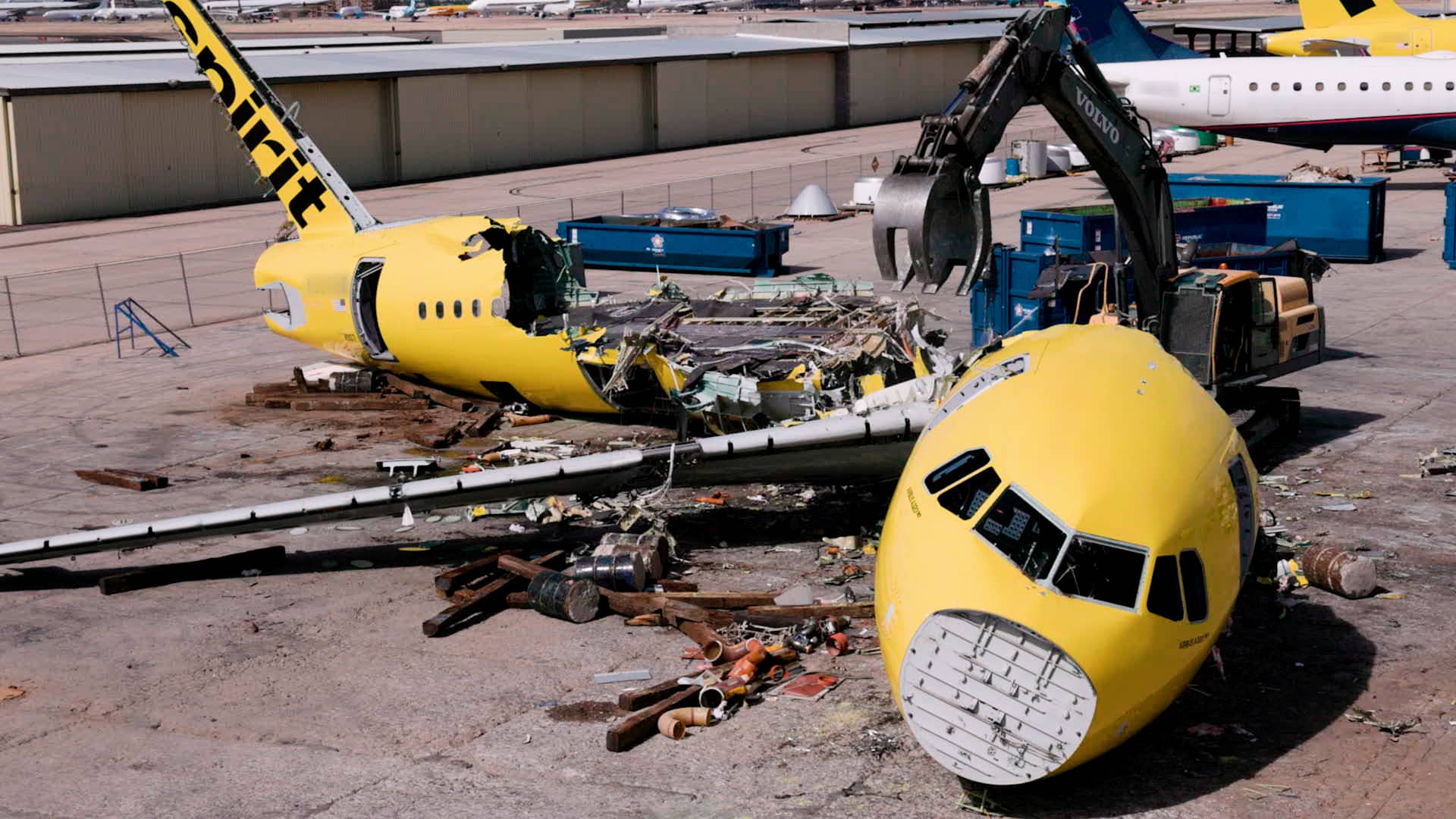
Airlines are dismantling planes years ahead of schedule due to unprecedented engine shortages, creating a booming market for aircraft parts while raising concerns about sustainability and operational costs.

Comcast Exceeds Q3 Earnings Expectations as Media Strength Outweighs Connectivity Challenges
Comcast beats Wall Street expectations with strong media performance, while Peacock streaming service turns profitable for second time. The company faces challenges in connectivity but sees growth opportunities in mobile.

David's Bridal Spins Off AI Platform Pearl for Public Listing
David's Bridal plans to spin off its AI platform Pearl into a publicly traded company, targeting a $350M valuation and a first-half 2027 IPO.

Elon Musk's Billion-Dollar Bet: New Investment in Skydance Media
Elon Musk invests $1 billion in Skydance, a major media merger involving Paramount and Warner Bros. Discovery. This strategic move aims to cut costs and secure the future of the combined entertainment giant.

NHK Documentary Exposes Secret 1978 Yasukuni Shrine Ritual
Newly released archival footage reveals the 1978 secret ritual that enshrined Class-A war criminals, exposing Japan's persistent historical revisionism.
Latest Articles
- Philippines Air Force Training Crash: 4 Pilots Killed in SF-260 Collision
- North Korea Holds Third Company Commanders Meeting Amid Military Reinforcement
- Gen Z Candidates Tackle Housing Crisis in Midterms 2026
- Tibetan Plateau Earthquake: Analysis of the 7.0 Magnitude Quake and Post-Disaster Response
- Meta's New Link Policy: Why Social Media Sites Want You to Stay
- Darden vs. Chipotle: How Portfolio Diversification Impacts Restaurant Stock Performance in 2026