Luxury Cruise Suites: The $25,000 Night Revolution in High-End Travel
Explore the booming luxury cruise market with suites costing up to $25,000 a night. Learn how elite travel is reshaping the industry and why space and privacy are the new currency.
Source: CNBC
The high seas are undergoing a significant transformation, driven by a surging demand for ultra-luxury experiences. As traditional mass tourism faces saturation, cruise lines are pivoting towards exclusive, high-value offerings. This shift is evident in the skyrocketing prices of private suites and the strategic investments made by major hospitality groups to capture the affluent traveler's wallet.
Key Highlights of the Luxury Cruise Boom
-
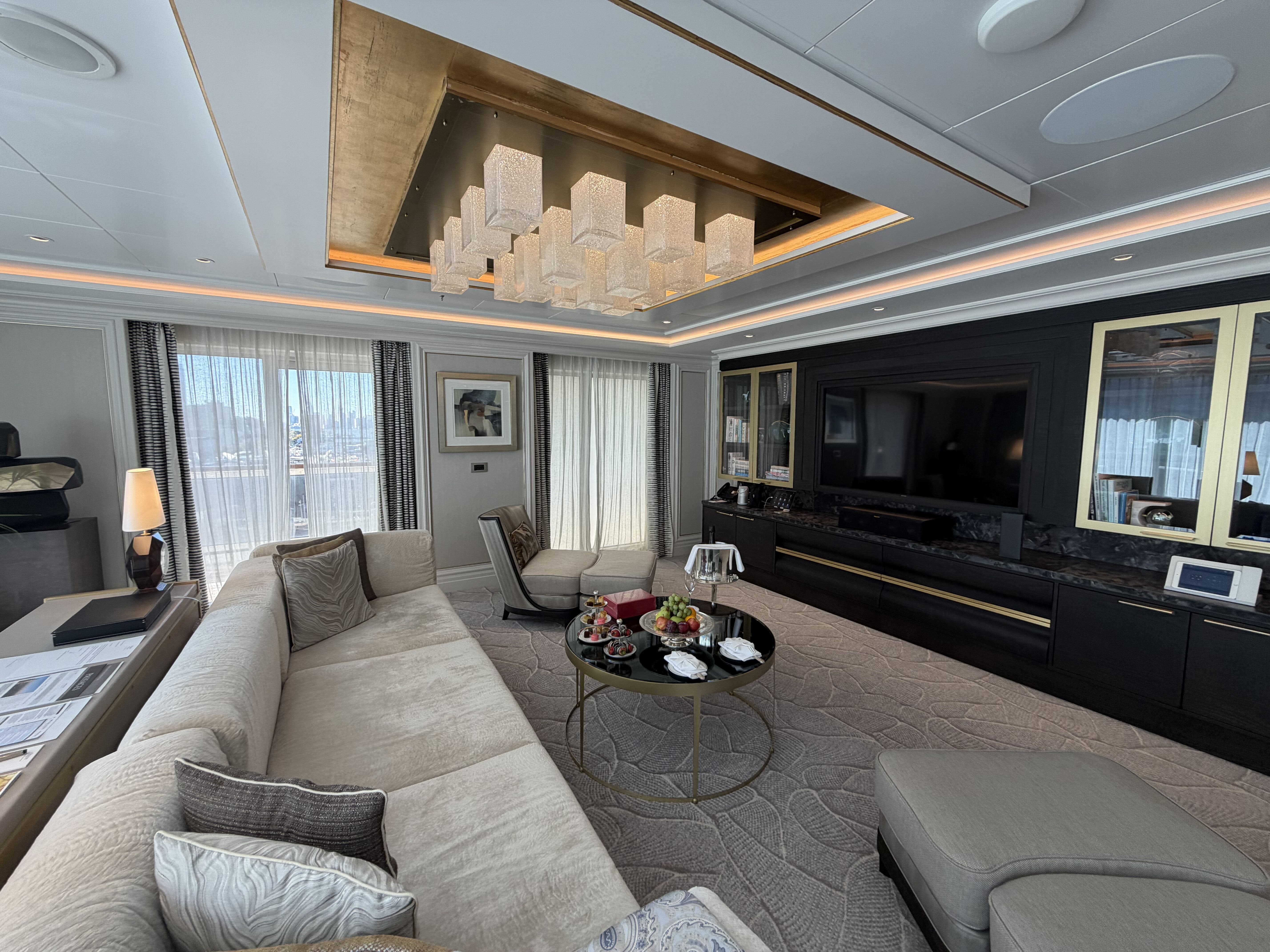
Record-Breaking Suite Prices: Regent Seven Seas Cruises is leading the charge with its upcoming Seven Seas Prestige, featuring a top-tier suite priced at $25,000 per night. The current flagship, the Seven Seas Splendor, offers cabins ranging from $1,800 to $15,000, with its most exclusive accommodation commanding nearly 5,100 square feet of space.
-
Elite Ship Focus: While mega-ships carry thousands of passengers, smaller, elite vessels are driving profitability. Companies like Norwegian Cruise Line Holdings are sharpening the positioning of their luxury brands, Regent and Oceania, to ensure superior guest experiences and commercial performance.
-
Luxury Fleet Expansion: The industry projects a significant growth in the luxury cruise fleet. According to the Cruise Lines International Association (CLIA), the number of luxury ships is expected to rise from 104 in 2026 to at least 130 by 2036. This growth is accompanied by a substantial increase in berths and specialized experiences.
-
Cross-Industry Investment: The luxury trend extends beyond cruise ships. Hospitality giants like Marriott are seeing luxury revenue grow faster than the broader market. Similarly, airlines such as United and American are investing in premium cabins with private doors and enhanced services like caviar service to cater to the wealthy traveler.
-
The Value of Exclusivity: High-net-worth individuals are willing to pay a premium for space, personal service, and distinctive experiences. This 'insatiable appetite' for luxury is prompting companies like Wynn Resorts to maintain high room rates rather than filling every bed with bargain hunters, focusing instead on maximizing EBITDA through quality.
In-Depth Analysis: The Strategic Shift in Travel
The current boom in luxury cruising represents more than just a pricing strategy; it is a fundamental re-evaluation of the travel experience. The industry is moving away from the model of 'more people, more space' toward 'fewer people, more space.' This shift is driven by a demographic of travelers who prioritize privacy and exclusivity over sheer volume. The investment in smaller, yacht-style vessels allows cruise lines to offer bespoke experiences that are impossible to replicate on massive floating cities.
Furthermore, this trend highlights a broader economic reality: affluent consumers remain resilient. Despite economic fluctuations, the desire for premium travel has not waned. This is reflected in the financial performance of luxury sectors, where revenue per available room is outpacing standard offerings. However, this growth is not without risks. The market is becoming increasingly crowded, with established players like Royal Caribbean’s Silversea and Carnival’s Seabourn facing competition from new entrants like Four Seasons and Aman. This saturation poses a challenge: as more companies enter the fray, they must continuously innovate to justify the high price points and convince travelers that the experience is worth the cost.
Looking ahead, the industry must navigate the delicate balance between scarcity and accessibility. While high prices create a sense of exclusivity, they can also alienate potential customers if not paired with exceptional value. The future of luxury travel will likely depend on the ability of companies to create 'indispensable' experiences that foster long-term loyalty, rather than just one-off transactions.
Frequently Asked Questions
Q: What is driving the price increase for luxury cruise suites?
A: The primary drivers are the scarcity of space and the increasing demand for privacy. Luxury travelers are willing to pay a premium for expansive private areas, such as wraparound decks with hot tubs, private dining rooms, and dedicated concierge services, which are standard in high-end suites.
Q: How does the luxury cruise market compare to traditional mass-market cruising?
A: The luxury market focuses on smaller ships with fewer passengers, allowing for more personalized service and exclusive amenities. In contrast, mass-market cruising prioritizes volume, offering a wider range of activities and lower price points to attract a larger audience.
Q: Are luxury cruise lines profitable despite the high costs?
A: Yes, luxury cruise lines are generally more profitable per passenger than mass-market lines. By targeting high-net-worth individuals who value quality and service over price, these companies can maintain higher occupancy rates and generate substantial revenue even with fewer guests.
Source: https://www.cnbc.com/2026/10/22/luxury-cruise-suites-regent-seven-seas.html
Related posts
Wonder's Bold Vision: Texas Expansion, Automation, and User-Built Restaurants Ahead of Potential IPO
Marc Lore's food tech giant Wonder plans aggressive Texas expansion, automation push, and user restaurant platform as it considers going public with $9B valuation.
Pepsi Extends Taco Bell Partnership Despite KFC's Switch to Coke
PepsiCo renews beverage deal with Taco Bell through 2036, days after sister chain KFC switches to Coca-Cola in strategic industry shift.

Brazil Presidential Election Runoff: Bolsonaro vs. Lula
The second round of the Brazilian presidential election begins. Two major political forces clash in a tight race.

Xi Jinping, King Philippe Celebrate 55 Years of China-Belgium Relations
President Xi Jinping and King Philippe exchanged congratulatory messages, highlighting 55 years of strategic partnership and mutual respect.

China's Middle East Envoy Holds Key Talks with Saudi Diplomatic Advisor
China's special envoy for Middle East affairs meets with Saudi diplomatic advisor to discuss bilateral relations and regional stability amid ongoing geopolitical tensions.
Israel Election 2026: Netanyahu Faces Historic Protests and Tight Polls
Israel's upcoming parliamentary election is a referendum on PM Netanyahu. Massive protests and tight polls signal a historic shift in Israeli politics.

US Travel Alert: Middle East Security Risks Rise Amid Iran and Houthi Threats
US State Department updates travel warnings for 13 Middle East nations. Learn about new security risks involving Houthi attacks and Iranian threats.
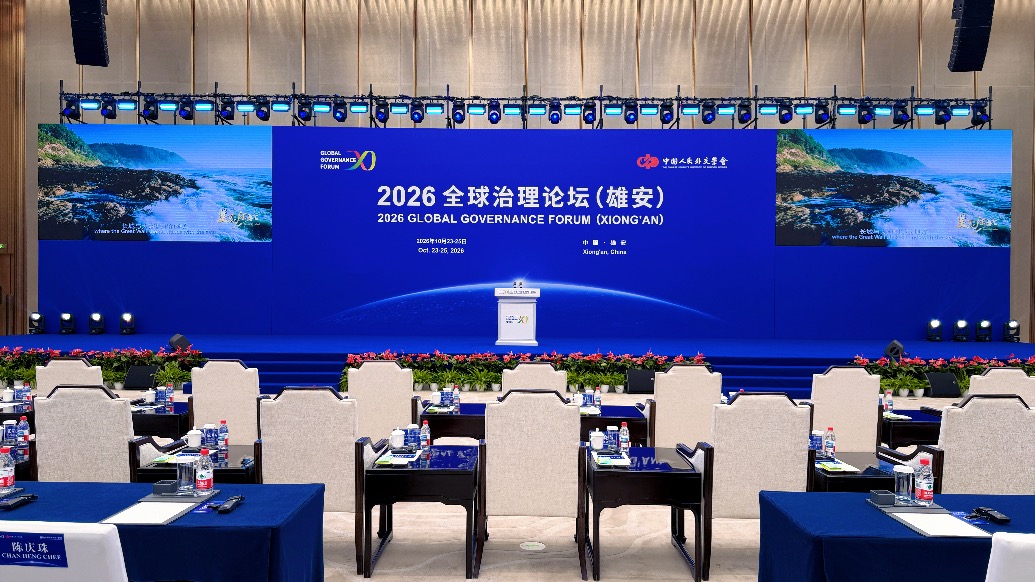
AI Safety Risks: Global Experts Share Solutions at 2026 Governance Forum
International experts gathered at the 2026 Global Governance Forum in Xiong'an to address critical AI safety challenges and propose collaborative solutions.
Latest Articles
- UN Reform: China's 55-Year Commitment to Multilateralism
- Why Airlines Are Scrapping Brand-New Aircraft Amid Engine Shortage Crisis
- Comcast Exceeds Q3 Earnings Expectations as Media Strength Outweighs Connectivity Challenges
- David's Bridal Spins Off AI Platform Pearl for Public Listing
- Elon Musk's Billion-Dollar Bet: New Investment in Skydance Media
- NHK Documentary Exposes Secret 1978 Yasukuni Shrine Ritual