Lula Wins Brazilian Presidential Election with 51.79% Vote
Luiz Inácio Lula da Silva secures narrow victory in Brazil's presidential runoff, securing his fourth term as president with 51.79% of the vote.
Source: thepaper.cn
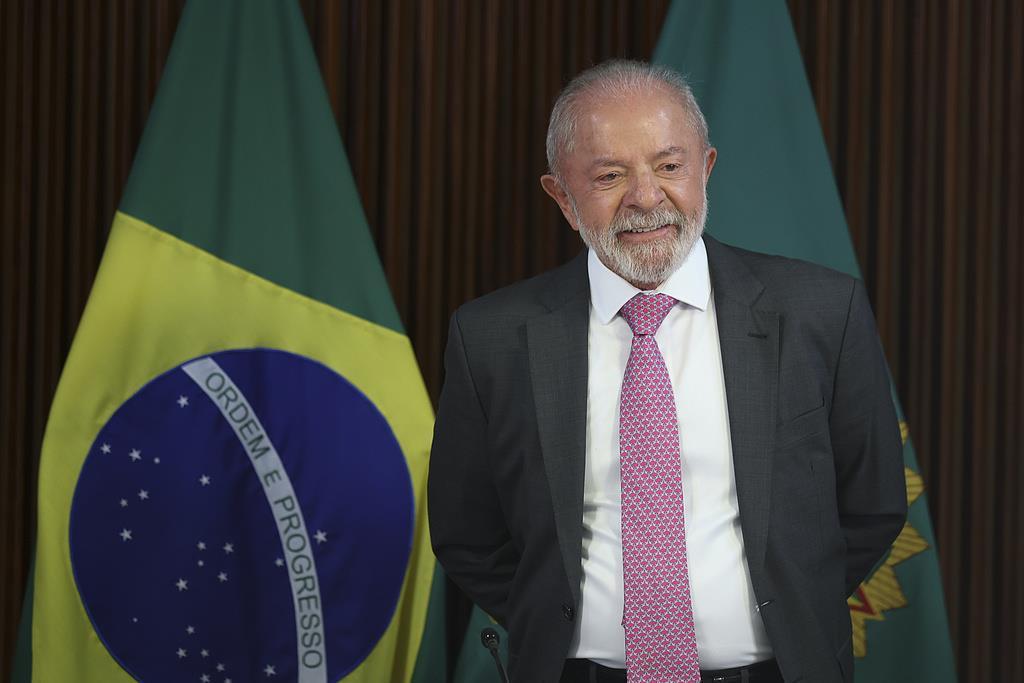
In a closely watched election that has significant implications for Latin America and global climate policy, Brazil's former president Luiz Inácio Lula da Silva has narrowly won the country's presidential runoff election. The victory marks a remarkable political comeback for Lula, who will now begin his fourth non-consecutive term as Brazil's president. The election results were announced by Brazil's Superior Electoral Court on the evening of October 25, 2026, showing Lula with 51.79% of the vote compared to his opponent's 48.21%. This razor-thin margin reflects the deeply divided political landscape in Brazil, one of the world's largest democracies and economies.
Key Takeaways
- Narrow Victory: Lula secured 51.79% of the vote, defeating Flávio Bolsonaro, son of former President Jair Bolsonaro, who received 48.21%. The difference of just 3.58 percentage points highlights the intense polarization in Brazilian politics.
- Historic Comeback: This victory marks Lula's return to power after being succeeded by Bolsonaro in 2019. Previously president from 2003-2010, Lula becomes the first Brazilian president to serve four non-consecutive terms.
- High Voter Turnout: Despite the polarized climate, the election saw a turnout of 80.78%, with over 30.5 million eligible citizens choosing not to participate, reflecting both strong engagement and significant political apathy.
- Runoff Necessity: The election required a second round after neither candidate secured an absolute majority in the first round on October 4, when Bolsonaro led with 47.03% to Lula's 45.16%.
- Global Implications: Lula's victory is expected to shift Brazil's stance on environmental policy, potentially reversing some of Bolsonaro's policies that weakened environmental protections in the Amazon rainforest.
In-Depth Analysis
Lula's victory represents a significant political realignment in Brazil, a nation that has experienced dramatic political swings in recent years. His administration is expected to prioritize social programs, economic inequality, and environmental protection—policies that characterized his previous terms. The narrow margin suggests that Lula will face significant challenges in uniting a deeply divided country and implementing his agenda. The election results also signal a rejection of the more right-wing, conservative policies championed by the Bolsonaro family, which had dominated Brazilian politics for the past several years.
From a global perspective, Lula's return to power is likely to restore Brazil's leadership role in international climate negotiations, particularly regarding the Amazon rainforest. During his previous terms, Brazil played a more active role in environmental conservation efforts, a contrast to the Bolsonaro administration's approach. However, Lula will also need to balance environmental concerns with economic development pressures, especially as Brazil continues to grapple with economic challenges and social inequalities.
The election outcome has broader implications for Latin America, where several countries are experiencing political shifts. Lula's victory may strengthen progressive movements in the region while potentially influencing upcoming elections in neighboring countries. The international community will be watching closely to see how Lula navigates Brazil's complex relationship with major global powers, particularly the United States and China.
Looking ahead, Lula's fourth term will likely focus on economic recovery, social inclusion, and climate action. However, the narrow victory means his administration will need to build consensus across political divides to implement meaningful change. The coming years will be crucial in determining whether Lula can successfully address Brazil's persistent challenges while maintaining the democratic institutions that have come under pressure in recent years.
Frequently Asked Questions
What does Lula's victory mean for Brazil's environmental policy? Lula's administration is expected to reverse many of the environmental rollbacks implemented under Bolsonaro, particularly regarding Amazon rainforest protection. This could lead to renewed international cooperation on climate initiatives and potentially reposition Brazil as a leader in global environmental efforts.
How will Lula address Brazil's economic challenges? Lula has indicated he will focus on reducing inequality and strengthening social programs while maintaining fiscal responsibility. His approach likely involves a mix of progressive economic policies and targeted investments in key sectors, though the narrow victory may limit his ability to implement significant economic reforms without broader political consensus.
Source: https://www.thepaper.cn/newsDetail_forward_34332349
Related posts

China to Send Giant Panda Ranran to Belgium for Diplomatic Relations
To celebrate 55 years of diplomatic ties, China is sending giant panda Ranran to Belgium. This move aims to deepen bilateral cooperation in wildlife conservation.

Xi Jinping, King Philippe Celebrate 55 Years of China-Belgium Relations
President Xi Jinping and King Philippe exchanged congratulatory messages, highlighting 55 years of strategic partnership and mutual respect.

Luxury Cruise Suites: The $25,000 Night Revolution in High-End Travel
Explore the booming luxury cruise market with suites costing up to $25,000 a night. Learn how elite travel is reshaping the industry and why space and privacy are the new currency.
Wonder's Bold Vision: Texas Expansion, Automation, and User-Built Restaurants Ahead of Potential IPO
Marc Lore's food tech giant Wonder plans aggressive Texas expansion, automation push, and user restaurant platform as it considers going public with $9B valuation.
Pepsi Extends Taco Bell Partnership Despite KFC's Switch to Coke
PepsiCo renews beverage deal with Taco Bell through 2036, days after sister chain KFC switches to Coca-Cola in strategic industry shift.
Brazil Presidential Election Runoff: Bolsonaro vs. Lula
The second round of the Brazilian presidential election begins. Two major political forces clash in a tight race.
China's Middle East Envoy Holds Key Talks with Saudi Diplomatic Advisor
China's special envoy for Middle East affairs meets with Saudi diplomatic advisor to discuss bilateral relations and regional stability amid ongoing geopolitical tensions.
Israel Election 2026: Netanyahu Faces Historic Protests and Tight Polls
Israel's upcoming parliamentary election is a referendum on PM Netanyahu. Massive protests and tight polls signal a historic shift in Israeli politics.
Latest Articles
- US Travel Alert: Middle East Security Risks Rise Amid Iran and Houthi Threats
- AI Safety Risks: Global Experts Share Solutions at 2026 Governance Forum
- UN Reform: China's 55-Year Commitment to Multilateralism
- Why Airlines Are Scrapping Brand-New Aircraft Amid Engine Shortage Crisis
- Comcast Exceeds Q3 Earnings Expectations as Media Strength Outweighs Connectivity Challenges
- David's Bridal Spins Off AI Platform Pearl for Public Listing