FTC Sues Dollar General: Overcharging Shoppers Billions
The FTC and 20 states accuse Dollar General of unlawful price hikes. Discover the details of the lawsuit, the impact on low-income consumers, and what this means for the retail landscape.
Source: CNBC
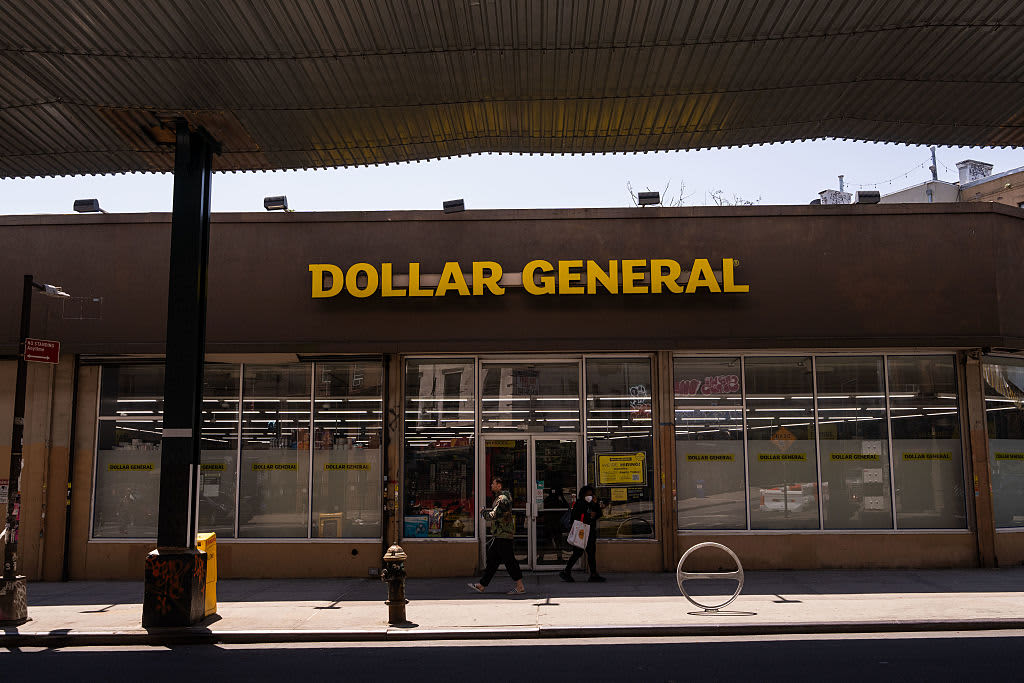
In an era of economic volatility, where every dollar counts for American families, a major retailer has come under intense scrutiny. The Federal Trade Commission (FTC) has officially launched a lawsuit against Dollar General, alleging a systematic scheme of overcharging customers. This legal action, joined by 20 states, highlights a troubling disconnect between advertised prices and what consumers actually pay, raising serious questions about corporate ethics and consumer protection in the discount retail sector.
Key Allegations and Details
- Systematic Price Inflation: The FTC lawsuit alleges that Dollar General has engaged in a deceptive practice of charging customers more than the prices displayed on shelves, price tags, and in advertisements.
- Targeting Vulnerable Shoppers: The complaint suggests that thousands of Dollar General stores have specifically targeted vulnerable shoppers, extracting millions of dollars in unlawful overcharges.
- Lack of Safeguards: A critical failure cited in the suit is the absence of sufficient safeguards to prevent the practice of overcharging, indicating a potential systemic issue within the company's operations.
- Consumer Backlash: The FTC argues that Dollar General has received tens of thousands of complaints from consumers regarding higher-than-advertised prices but failed to implement effective policies to address these grievances.
- Political Timing: The lawsuit arrives during a sensitive political period, as officials on both sides of the aisle aim to demonstrate their commitment to protecting consumers from high costs ahead of the upcoming midterm elections.
In-Depth Analysis
This lawsuit against Dollar General is more than just a regulatory action; it is a significant indicator of the challenges facing the discount retail model in a high-inflation economy. Dollar General has long positioned itself as a lifeline for low-income households and rural communities, offering essential goods at rock-bottom prices. However, the allegations of systematic overcharging suggest a fundamental erosion of trust in this value proposition. When a retailer known for its low margins is accused of inflating prices, it signals that the pressure to maintain profitability in a supply chain crisis may be forcing companies to compromise on integrity.
The involvement of 20 states underscores the severity of the issue, as it moves beyond a federal concern to a collective state-level enforcement action. This broad coalition indicates that the practice of overcharging is not isolated to a few rogue stores but may be a widespread issue affecting millions of consumers across different demographics. Furthermore, the timing of the lawsuit—amidst rising food and gas prices—adds a layer of political complexity. While officials are leveraging the case to showcase their consumer protection efforts, it also serves as a stark reminder that for the working class, the difference between a few cents on a price tag can mean the difference between affording groceries or falling behind on bills.
Frequently Asked Questions
Q: What specific evidence does the FTC have regarding the overcharging?
A: While the lawsuit details are still emerging, the FTC alleges that the discrepancy between advertised prices and actual transaction costs is widespread across thousands of locations. The complaint emphasizes the volume of consumer complaints and the lack of corrective measures by the company as key pieces of evidence.
Q: How will this lawsuit affect Dollar General's stock price and business operations?
A: Following the announcement of the lawsuit, Dollar General shares dropped approximately 4%, reflecting immediate investor concern over potential financial liabilities and reputational damage. Long-term business operations may face increased regulatory scrutiny and the cost of legal defense.
Q: What can consumers do if they believe they were overcharged at Dollar General?
A: Consumers who suspect they were charged more than the advertised price should document the transaction, including the displayed price and the final receipt amount. Filing a complaint with the FTC or the state attorney general's office is the recommended course of action for reporting such violations.
Source: https://www.cnbc.com/2026/10/26/ftc-dollar-general-lawsuit.html
Related posts
JetBlue 3Q 2026 Loss: Fuel Costs Rise 61% Despite Strong Travel Demand
JetBlue Airways reported a wider third-quarter loss driven by soaring fuel costs, but CEO Joanna Geraghty points to resilient demand and improving margins as key indicators of a successful turnaround.

Anthropic IPO: The $1.5 Trillion AI Giant's Historic Stock Market Debut
Anthropic files for an IPO valuing the company between $1.5T and $2T. Will the AI giant's record-breaking valuation withstand market volatility?

China to Send Giant Panda Ranran to Belgium for Diplomatic Relations
To celebrate 55 years of diplomatic ties, China is sending giant panda Ranran to Belgium. This move aims to deepen bilateral cooperation in wildlife conservation.

Japan Deploys 25-Type Missiles in 'Kirishima' Drill, Marking Shift in Defense Strategy
Japan's first large-scale deployment of the 25-Type land-based anti-ship missile during the US-Japan 'Kirishima' drill signals a strategic pivot away from 'strictly defensive' policies. Explore the implications of this military expansion.
American Airlines 2026 Forecast: Slower Growth Amid Fuel Costs
American Airlines predicts deeper losses and slower capacity growth in 2026 due to a jet fuel spike following the Iran war. Read the full analysis.

Former Japanese PM Fukuda Yasuo Dies at 90: Legacy of Diplomacy and China's Call for Responsibility
Former Japanese Prime Minister Fukuda Yasuo passed away on October 22, 2026, at the age of 90. His death prompts China to reflect on the importance of historical responsibility in Sino-Japanese relations.

Chinese Woman Escapes Kidnapping in Thailand After Jumping from Moving Vehicle
A 24-year-old Chinese tourist survives abduction in Thailand, jumping from a moving car to escape captors targeting tourists with romance scams.

Lula Wins Brazilian Presidential Election with 51.79% Vote
Luiz Inácio Lula da Silva secures narrow victory in Brazil's presidential runoff, securing his fourth term as president with 51.79% of the vote.
Latest Articles
- Xi Jinping, King Philippe Celebrate 55 Years of China-Belgium Relations
- Luxury Cruise Suites: The $25,000 Night Revolution in High-End Travel
- Wonder's Bold Vision: Texas Expansion, Automation, and User-Built Restaurants Ahead of Potential IPO
- Pepsi Extends Taco Bell Partnership Despite KFC's Switch to Coke
- Brazil Presidential Election Runoff: Bolsonaro vs. Lula
- China's Middle East Envoy Holds Key Talks with Saudi Diplomatic Advisor