Honda warns 50% Canada auto tariffs would be catastrophic for industry
Honda warns 50% Canada auto tariffs would be catastrophic for industry
Source: CNBC
The North American automotive supply chain is currently on edge as the United States and Canada approach a critical deadline for a new trade agreement. The looming threat of a significant tariff hike is not just a trade policy issue; it represents a potential existential crisis for the entire automotive manufacturing ecosystem in North America. As the industry navigates this uncertainty, the stakes have never been higher for automakers, suppliers, and workers alike.
Key Points
- Catastrophic Impact: Honda warns that doubling tariffs to 50% would be catastrophic for the entire industry.
- USMCA Uncertainty: The U.S. Trade Representative announced that the USMCA will not automatically extend, moving it to an annual review process.
- Trilateral Deal Preferred: Honda advocates for a trilateral agreement including Mexico to maintain competitiveness.
- Supply Chain Vulnerability: Over 60% of Honda vehicles sold in the U.S. are manufactured domestically, but cross-border parts flow remains critical.
- Global Competition: Other major exporters like Japan and South Korea have secured trade deals with lower 15% tariffs.
- Recent Progress: The U.S. and Canada have reestablished trade talks and are easing levies on critical materials like aluminum.
- Industry Consensus: Trade associations representing all major players advocate for a comprehensive accord rather than bilateral deals.
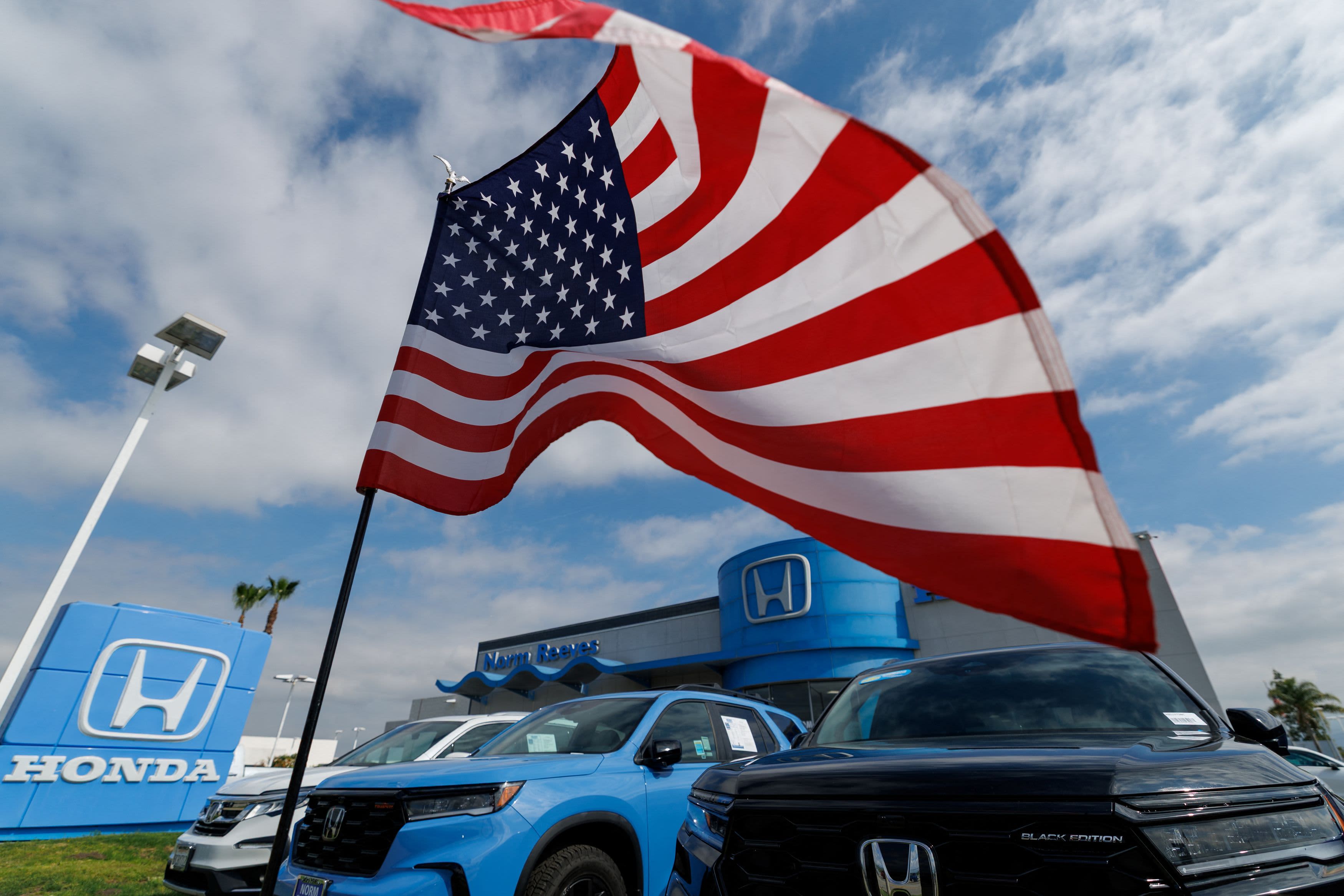
In-Depth Analysis
The current standoff between the U.S. and Canada highlights the fragility of the modern automotive supply chain, which relies heavily on just-in-time manufacturing and seamless cross-border logistics. Honda’s warning underscores a fundamental truth: protectionist measures, even if politically motivated, carry severe economic repercussions. By threatening to double tariffs to 50%, the U.S. risks alienating a key trading partner and destabilizing the production schedules of major manufacturers. This move could force automakers to restructure their supply chains, potentially moving production out of North America entirely to avoid these punitive measures.
The expiration of the USMCA and its transition to an annual review process adds another layer of complexity to the situation. Unlike the original 16-year extension, the new framework leaves the trade pact vulnerable to sudden changes in political winds. This unpredictability is detrimental to long-term investment planning. For an industry that thrives on stability, the prospect of renegotiating trade terms every year is a nightmare scenario that could stifle innovation and slow economic growth.
Furthermore, the industry's push for a trilateral agreement involving Mexico reflects a strategic necessity. The USMCA was designed to create a unified economic bloc that could compete globally. Breaking this bloc apart in favor of bilateral deals would likely result in higher costs for consumers and reduced efficiency for manufacturers. As Honda’s executive noted, the ability to remain competitive in the global market depends on these integrated trade relationships. The threat of tariffs from other countries, such as the 15% rates secured by Japan and South Korea, further pressures the U.S. to maintain its own trade agreements to prevent a loss of market share.
Frequently Asked Questions
Q: What happens if the U.S. and Canada fail to reach a deal by January 1?
A: President Donald Trump has threatened to double tariffs on Canadian vehicles and parts from 25% to 50% immediately. Honda and other industry leaders warn this would be catastrophic for the entire automotive industry.
Q: Why is a trilateral agreement including Mexico preferred over a bilateral deal?
A: A trilateral agreement maintains a unified North American supply chain, which is essential for cost efficiency and competitiveness. Industry experts argue that breaking this integration would lead to higher production costs and supply chain disruptions.
Q: How does the current trade situation compare to other countries?
A: Major vehicle exporters like Japan and South Korea have secured trade deals with the U.S. that include lower 15% tariffs. The potential 50% tariffs on Canada would put North American manufacturers at a significant competitive disadvantage compared to these countries.
Source: https://www.cnbc.com/2026/10/27/honda-warns-50percent-canada-auto-tariffs-would-be-catastrophic.html
Related posts

AI Risk and Global Governance: The 20% Probability Dilemma
Navigating the existential risks of Artificial Intelligence requires international cooperation. Experts warn that without binding rules, the potential for catastrophic consequences is too high to ignore.

Democratic Republic of Congo Ebola Cases Surpass 10,000 Amid Largest Outbreak in History
The Democratic Republic of Congo faces its worst Ebola outbreak on record with over 10,000 confirmed cases and nearly 5,000 deaths, raising global health concerns.

Coca-Cola Raises Full-Year Outlook Despite North America Demand Weakness
Coca-Cola beats Wall Street expectations with strong Q3 2026 results, raising its full-year earnings outlook for the third consecutive quarter despite flat volume in its home market.

Serbia Election 2026: Student-led Coalition Wins Majority with 52.7% Vote Share
Serbia's parliamentary election results show a historic shift. The 'Student List' secures 52.71% of the vote, winning 140 seats and forming a majority government.

Record High Child Casualties in Conflict: UN Warns of New Era of Crisis
UN reveals 24,174 children severely harmed in conflicts in 2025, marking a historical peak. Explore the devastating impact of explosive weapons and AI in warfare on child safety.

FTC Sues Dollar General: Overcharging Shoppers Billions
The FTC and 20 states accuse Dollar General of unlawful price hikes. Discover the details of the lawsuit, the impact on low-income consumers, and what this means for the retail landscape.
JetBlue 3Q 2026 Loss: Fuel Costs Rise 61% Despite Strong Travel Demand
JetBlue Airways reported a wider third-quarter loss driven by soaring fuel costs, but CEO Joanna Geraghty points to resilient demand and improving margins as key indicators of a successful turnaround.

Anthropic IPO: The $1.5 Trillion AI Giant's Historic Stock Market Debut
Anthropic files for an IPO valuing the company between $1.5T and $2T. Will the AI giant's record-breaking valuation withstand market volatility?
Latest Articles
- China to Send Giant Panda Ranran to Belgium for Diplomatic Relations
- Japan Deploys 25-Type Missiles in 'Kirishima' Drill, Marking Shift in Defense Strategy
- American Airlines 2026 Forecast: Slower Growth Amid Fuel Costs
- Former Japanese PM Fukuda Yasuo Dies at 90: Legacy of Diplomacy and China's Call for Responsibility
- Chinese Woman Escapes Kidnapping in Thailand After Jumping from Moving Vehicle
- Lula Wins Brazilian Presidential Election with 51.79% Vote