US Signals Potential Intense Military Action Against Iran After Midterm Elections
Reports indicate US has informed Gulf nations of possible brief but fierce military operation against Iran following midterm elections, with significant military deployments already underway.
Source: thepaper.cn
As geopolitical tensions in the Middle East continue to escalate, recent developments suggest that the United States may be preparing for a significant military operation against Iran in the aftermath of the midterm elections. According to sources familiar with the matter, American officials have advised several Gulf Arab states to prepare for a potential brief but intense military action that could dramatically alter the regional security landscape.
Key Developments
- Military Preparations: The US has reportedly informed Gulf Arab allies to prepare for possible military action following the midterm elections. The Pentagon's war costs with Iran have risen to $47 billion, an increase of over $3 billion from the previous month, with $29 billion allocated for ammunition replenishment and $6.1 billion for equipment losses.
- Defense System Deployment: The US military is deploying a new Patriot missile defense system from Texas to Israel, while simultaneously evacuating some vulnerable bases in the region to prepare for potential escalation.
- Naval Buildup: A new aircraft carrier strike group and Marine expeditionary unit are preparing to join the approximately 20-ship fleet already operating in the Middle Eastern theater, with some vessels potentially rotating out.
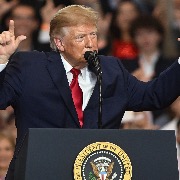
- Trump's Position: President Trump has not made a final decision but is reportedly inclined toward launching a major strike after the midterm elections, potentially targeting Iranian infrastructure and nuclear facilities.
- Israeli Involvement: Israel has reportedly developed new attack plans and targets, with Prime Minister Netanyahu advocating for resuming airstrikes against Iran, hoping to weaken the regime and potentially bring about its downfall.
In-depth Analysis
The current situation represents a critical juncture in the already complex US-Iran-Israel conflict dynamics. The timing of potential military action—post-midterm elections—suggests a calculated political consideration, allowing the administration to weather domestic political storms before engaging in high-stakes military decisions. The significant military buildup, including the deployment of advanced defense systems and naval assets, indicates that any potential operation would be substantial in scale and coordination.
From a strategic perspective, the Trump administration appears to be balancing between demonstrating resolve against Iran's nuclear ambitions and avoiding a prolonged military engagement that could destabilize the region further. The reference to a possible "new 'Epic Fury' operation" suggests an approach modeled after the large-scale bombing campaign conducted earlier this year by the US and Israel.
The Israeli political situation adds another layer of complexity, with recent elections showing a near balance between opposition and Netanyahu's coalition. As a caretaker prime minister during potential coalition negotiations, Netanyahu might be more inclined toward military action to strengthen his position.
However, historical evidence suggests that military pressure alone has failed to compel Iran to change its behavior significantly. Despite facing over 20,000 attacks during the most intense phases of the conflict, Iran has continued its activities in the Persian Gulf and maintained强硬 positions in negotiations.
Looking ahead, any military action would likely trigger significant Iranian retaliation, potentially targeting economic and civilian objectives across the region. Iran's continued missile development and defense capabilities suggest it would be capable of mounting a substantial response, creating a dangerous escalation dynamic that could draw in other regional actors.
Frequently Asked Questions
What is the likelihood of actual military action occurring? While military preparations are clearly underway, the actual decision remains uncertain. The political timing suggests a higher probability of action after the midterm elections, but final decisions will depend on multiple factors including the election results, international reactions, and assessments of Iranian capabilities.
How might this affect global oil markets? Any military action in the Middle East, particularly involving Iran, would likely cause significant disruption to oil supplies through the Strait of Hormuz, a critical chokepoint for global oil shipments. This could lead to substantial price volatility and potential supply shortages, impacting economies worldwide.
Source: https://www.thepaper.cn/newsDetail_forward_34349418
Related posts

US Military Costs Against Iran Top $4.7 Billion, Damages Unaccounted For
US spending on operations against Iran exceeds $4.7B, excluding critical base repair costs. Analysis of the escalating military expenses and regional impact.
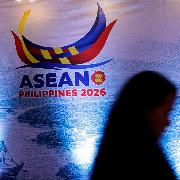
China's Reduced Presence at ASEAN Defense Ministers' Meeting: A Sign of Deteriorating Sino-Philippine Relations
An analysis of China's decision to downgrade its participation in the ASEAN Defense Ministers' Meeting, highlighting the escalating tensions between China and the Philippines.

Boeing 737 Max Production Delayed Until Late 2027
Boeing targets 52 planes per month by late 2027 as it stabilizes wing production and focuses on safety over speed.

Honda warns 50% Canada auto tariffs would be catastrophic for industry
Honda warns 50% Canada auto tariffs would be catastrophic for industry

AI Risk and Global Governance: The 20% Probability Dilemma
Navigating the existential risks of Artificial Intelligence requires international cooperation. Experts warn that without binding rules, the potential for catastrophic consequences is too high to ignore.
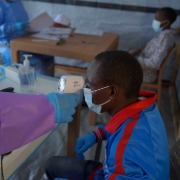
Democratic Republic of Congo Ebola Cases Surpass 10,000 Amid Largest Outbreak in History
The Democratic Republic of Congo faces its worst Ebola outbreak on record with over 10,000 confirmed cases and nearly 5,000 deaths, raising global health concerns.
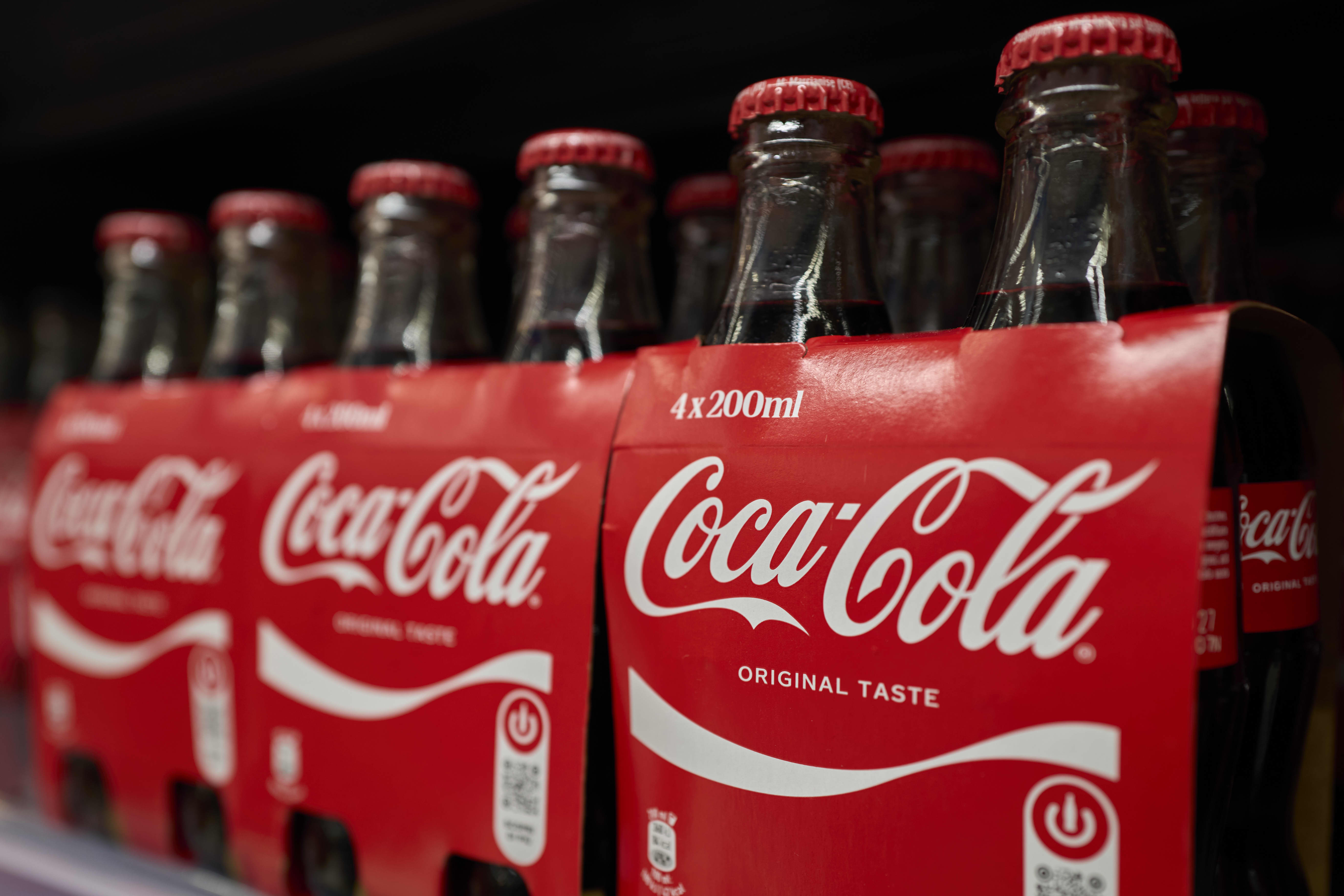
Coca-Cola Raises Full-Year Outlook Despite North America Demand Weakness
Coca-Cola beats Wall Street expectations with strong Q3 2026 results, raising its full-year earnings outlook for the third consecutive quarter despite flat volume in its home market.

Serbia Election 2026: Student-led Coalition Wins Majority with 52.7% Vote Share
Serbia's parliamentary election results show a historic shift. The 'Student List' secures 52.71% of the vote, winning 140 seats and forming a majority government.
Latest Articles
- Record High Child Casualties in Conflict: UN Warns of New Era of Crisis
- FTC Sues Dollar General: Overcharging Shoppers Billions
- JetBlue 3Q 2026 Loss: Fuel Costs Rise 61% Despite Strong Travel Demand
- Anthropic IPO: The $1.5 Trillion AI Giant's Historic Stock Market Debut
- China to Send Giant Panda Ranran to Belgium for Diplomatic Relations
- Japan Deploys 25-Type Missiles in 'Kirishima' Drill, Marking Shift in Defense Strategy