COP17 in Yerevan: Global Biodiversity Framework Review and Funding Gaps
UN Biodiversity Conference reaches critical stage; 14 resolutions passed but funding and enforcement remain major hurdles.
Source: thepaper.cn
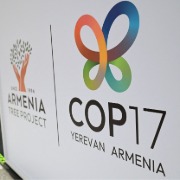
As the 17th Conference of the Parties (COP17) to the UN Convention on Biological Diversity (CBD) enters its final hours in Yerevan, Armenia, the international community faces a stark reality: progress on paper is not translating into immediate action. While the conference has successfully navigated through the initial stages, the looming question is whether the participating nations can bridge the widening gap between ambitious environmental targets and the financial resources required to achieve them. The atmosphere in the conference hall reflects a mix of cautious optimism and urgent pressure to deliver concrete results before the deadline on October 30th.
Key Takeaways
- Framework Implementation Begins: Nearly 90% of contracting parties have now established national biodiversity targets, marking a significant step toward the global implementation of the 'Kunming-Montreal Global Biodiversity Framework'.
- 14 Resolutions Adopted: The conference has successfully passed 14 key resolutions covering critical areas such as invasive alien species, education, and biosecurity, providing a roadmap for immediate action.
- Funding Shortfall Persists: Despite a record mobilization of over $1.8 billion, the actual funding received falls drastically short of the targets set for 2025 and 2030 under the new framework.
- Global Review Mechanism: The conference is conducting the first global collective review of the 'Kunming-Montreal Framework,' assessing how far countries have come since its adoption in 2022.
- Coordination Challenge: A major hurdle identified by the UN Environment Programme (UNEP) is the need to align economic policies, private investments, and public budgets with biodiversity goals rather than undermining them.
- Political Will Under Test: Executives argue that environmental multilateralism remains effective, asserting that nature is a prerequisite for economic survival, not merely a luxury good.
In-Depth Analysis
The current phase of COP17 represents a critical juncture for the global environmental agenda. The 'Kunming-Montreal Global Biodiversity Framework' established ambitious goals to halt biodiversity loss by 2030, yet the recent 'Status of Biodiversity' report indicates that progress is uneven. While the framework has successfully driven the creation of national targets, the mechanism for tracking and enforcing these commitments is still being solidified. The passage of 14 resolutions is a testament to the political will to move forward, but these are largely administrative and preparatory. The true test of this conference lies in its ability to address the 'hardest bone' of the negotiation: financing.
The disparity between the funds mobilized and the funds required is alarming. The UN Environment Programme Executive Director Inger Andersen highlighted that while $1.8 billion has been pledged, the actual international public funding reported by countries was only $17.7 billion between 2020 and 2023. This is a fraction of the $200 billion annual target by 2025. The tension between developed and developing nations remains the central friction point. Developed countries are hesitant to expand the donor base beyond traditional contributors, while developing nations demand more robust financial mechanisms and technology transfer to fulfill their obligations.
Furthermore, the concept of 'accelerating' the framework's 23 targets requires a fundamental shift in how economies operate. The challenge is not just about writing checks; it is about restructuring economic incentives. As noted by the CBD Executive Secretary Astrid Schomaker, the most difficult aspect of the current session is 'coordination'—ensuring that public budgets, private investments, and fiscal policies actively support, rather than erode, biodiversity goals. This implies a systemic overhaul of industries ranging from agriculture to finance, a transition that political leaders are often reluctant to commit to fully without guaranteed financial support.
Frequently Asked Questions
What is the 'Kunming-Montreal Global Biodiversity Framework'?
This is a comprehensive global agreement adopted in 2022 to guide international action on biodiversity through 2030. It includes 23 targets, such as conserving 30% of the world's land and oceans and reducing pollution, aimed at stopping the decline of nature.
Why is the funding gap such a major issue at COP17?
The framework relies heavily on financial support from developed countries to developing nations to implement conservation projects. The current funding levels are insufficient to meet the ambitious targets, threatening the credibility of the international legal framework and slowing down global conservation efforts.
How does the global review work at this conference?
This is the first time the framework is being collectively reviewed. Countries are submitting national reports to assess their progress against the targets. This review process is intended to identify gaps, hold nations accountable, and guide future policy adjustments to ensure the goals are met.
Source: https://www.thepaper.cn/newsDetail_forward_34358118
Related posts

Bolsonaro Son Vows Opposition to Lula Government from Abroad, Thanks Trump and Milei
Flavio Bolsonaro, defeated Brazilian presidential candidate, declares leadership from exile while thanking foreign allies amid political turmoil.

FedEx Exceeds Q3 Earnings Expectations, Raises Full-Year Outlook
FedEx reports stronger-than-expected quarterly results and boosts annual guidance following fiscal year realignment and FedEx Freight spinoff.
Lula Criticizes Bolsonaro Son's Fleeing Brazil as 'Shameful' After Election Defeat
Brazilian President Luiz Inácio Lula da Silva condemns Flávio Bolsonaro's departure to the US as 'shameful' despite a Supreme Court order to stay. Explore the political crisis and constitutional crisis.
China's Reduced Presence at ASEAN Defense Ministers' Meeting: A Sign of Deteriorating Sino-Philippine Relations
An analysis of China's decision to downgrade its participation in the ASEAN Defense Ministers' Meeting, highlighting the escalating tensions between China and the Philippines.
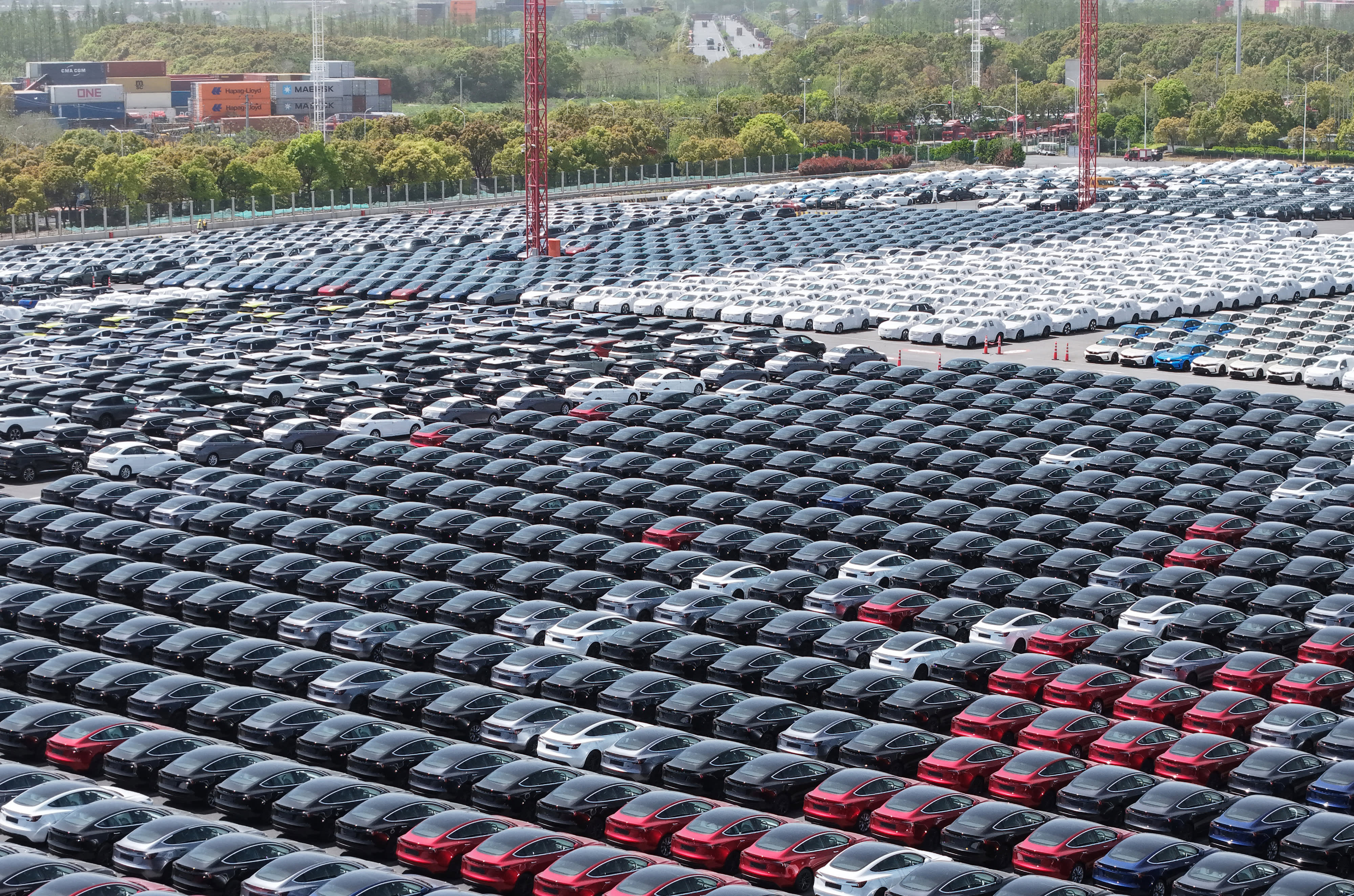
China Car Exports Surge Amidst Domestic Sales Slump
Why Chinese automakers are aggressively expanding overseas despite a 22% drop in domestic car sales driven by economic uncertainty.
US Military Costs Against Iran Top $4.7 Billion, Damages Unaccounted For
US spending on operations against Iran exceeds $4.7B, excluding critical base repair costs. Analysis of the escalating military expenses and regional impact.

Real Madrid Mbappe Controversy: AI-Generated Statement Debunked
Investigation confirms the viral Real Madrid apology screenshot was AI-generated. Here is the truth behind the Mbappe controversy and the official responses.
US Signals Potential Intense Military Action Against Iran After Midterm Elections
Reports indicate US has informed Gulf nations of possible brief but fierce military operation against Iran following midterm elections, with significant military deployments already underway.
Latest Articles
- Boeing 737 Max Production Delayed Until Late 2027
- Honda warns 50% Canada auto tariffs would be catastrophic for industry
- AI Risk and Global Governance: The 20% Probability Dilemma
- Democratic Republic of Congo Ebola Cases Surpass 10,000 Amid Largest Outbreak in History
- Coca-Cola Raises Full-Year Outlook Despite North America Demand Weakness
- Serbia Election 2026: Student-led Coalition Wins Majority with 52.7% Vote Share