Restaurant Brands Reports Mixed Q3 Results as Burger King Leads Turnaround
Restaurant Brands International shows mixed quarterly performance with Burger King's US success offsetting Popeyes' struggles. Same-store sales growth continues across the portfolio.
Source: CNBC
In the competitive quick-service restaurant industry, Restaurant Brands International has delivered a mixed bag of results for its fiscal third quarter of 2026, highlighting both promising turnarounds and persistent challenges within its diverse portfolio. As consumer preferences continue to evolve rapidly, the performance of these iconic brands offers crucial insights into the future of fast-food dining.
Key Performance Highlights
- Strong Overall Financial Results: Restaurant Brands reported net income of $542 million, or $1.54 per share, significantly up from $315 million in the same period last year. This impressive growth demonstrates the company's ability to generate substantial shareholder value despite facing challenges in certain segments.
- Consistent Same-Store Sales Growth: Across all brands, the company achieved 3.8% same-store sales growth, marking the fifth consecutive quarter with growth above 3%. This sustained performance indicates successful strategic execution across most of Restaurant Brands' operations.
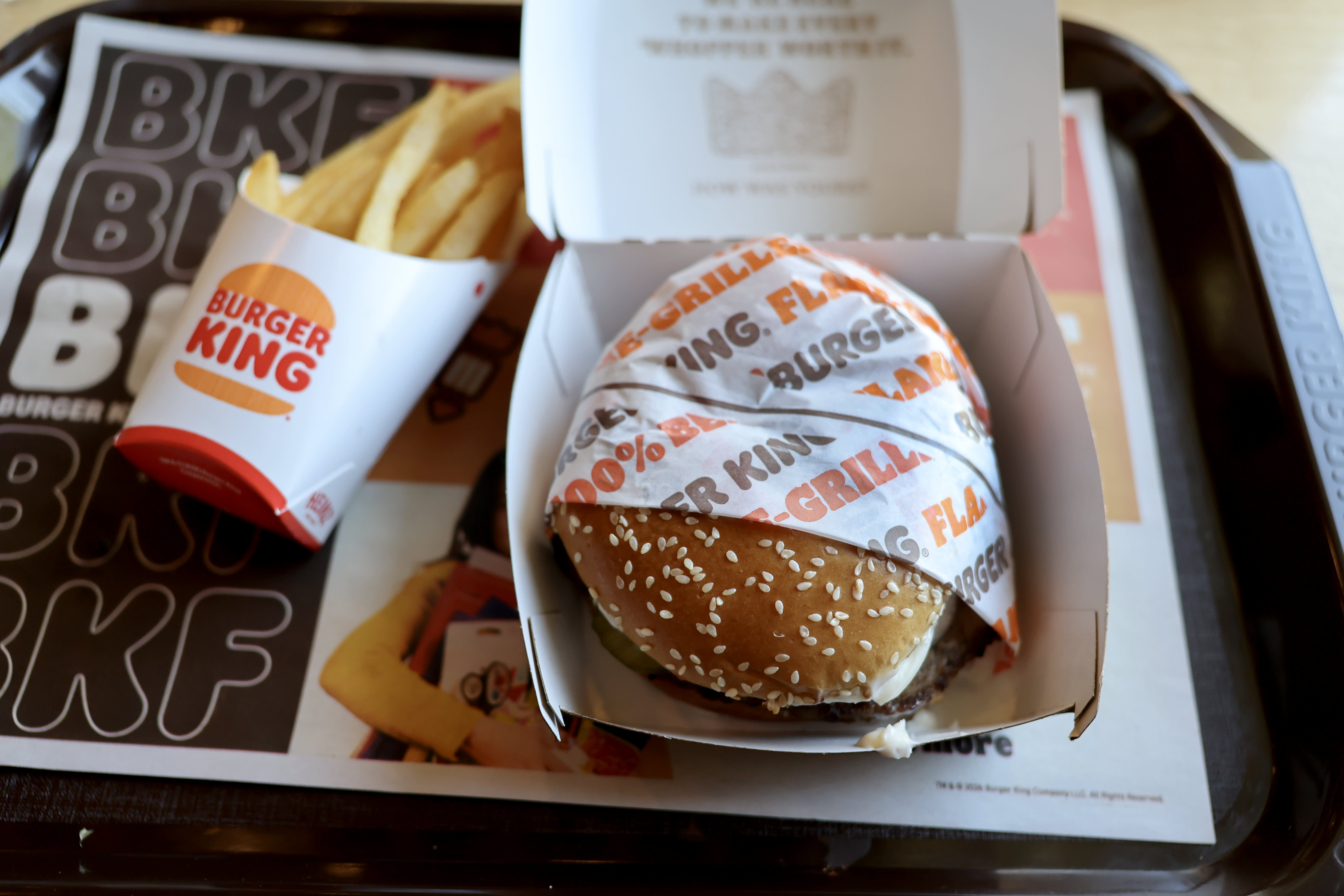
- Burger King's Remarkable Turnaround: The burger chain emerged as the standout performer with 8.4% same-store sales growth in its crucial US market. This exceptional result validates the multiyear turnaround strategy focused on food quality and restaurant experience improvements that the company has been implementing.
- Tim Hortons' Steady Performance: The Canadian coffee chain reported 1.8% same-store sales growth in its home market, with successful initiatives like July's matcha drink launch helping to drive afternoon traffic and expand its customer base beyond traditional breakfast hours.
- Popeyes' Persistent Challenges: The fried chicken chain continued to struggle with a 2.2% decline in US same-store sales. Despite efforts to refocus on core menu items and improve operations, Popeyes faces intense competition from chicken-focused rivals who have successfully lured customers with aggressive discounting strategies.
In-Depth Analysis
Restaurant Brands International's mixed results reflect the complex dynamics within the global quick-service restaurant landscape. The company's portfolio approach—spanning Burger King, Tim Hortons, and Popeyes—provides diversification benefits but also presents unique challenges for each brand segment. Burger King's successful turnaround, now spanning four years of industry outperformance with three consecutive quarters of exceptional results, demonstrates the power of strategic focus and operational excellence. The brand's ability to innovate while maintaining its core identity has positioned it strongly in an increasingly competitive market.
Meanwhile, Tim Hortons' steady performance in its Canadian stronghold suggests that the brand is successfully navigating changing consumer preferences, particularly with innovative product extensions like matcha drinks that attract customers during off-peak hours. However, Popeyes' struggles highlight how quickly market dynamics can shift in the QSR space, with competitors successfully leveraging discount strategies to capture market share. The delayed recovery timeline for Popeyes, now expected beyond the initial second-half 2026 projection, indicates that menu simplification and operational improvements may take longer to translate into sales growth than anticipated.
Looking ahead, Restaurant Brands faces the critical challenge of balancing portfolio-wide growth initiatives with brand-specific strategies. The company's international operations, which saw 3.9% same-store sales growth primarily driven by Burger King, present significant opportunities for expansion. However, the persistent weakness in Popeyes' US operations will require renewed innovation and potentially more aggressive marketing to regain lost market share. As consumer preferences continue to evolve toward value and convenience, Restaurant Brands' ability to maintain its diverse portfolio's relevance while executing distinct brand strategies will determine its long-term success in an increasingly competitive global market.
Frequently Asked Questions
What is driving Burger King's successful turnaround? Burger King's multiyear turnaround strategy focusing on food quality improvements, restaurant experience enhancements, and consistent innovation has delivered exceptional results with four years of industry outperformance and three consecutive quarters of exceptional same-store sales growth.
When can we expect Popeyes to return to positive same-store sales growth? While Restaurant Brands initially projected Popeyes would return to same-store sales growth in the second half of 2026, the company now believes this recovery will take longer, though traffic is gradually improving as the chain refocuses on core menu items.
How is Tim Hortons adapting to changing consumer preferences? The coffee chain has successfully expanded its offerings with products like matcha drinks to attract customers during traditionally slower afternoon hours, demonstrating its ability to evolve beyond its traditional breakfast-focused positioning.
Source: https://www.cnbc.com/2026/10/29/restaurant-brands-international-qsr-q3-2026-earnings.html
Related posts
Eli Lilly Boosts Sales Outlook as Obesity Drugs Drive Growth
Eli Lilly raises 2026 revenue forecast to $91-92 billion as Zepbound and Mounjaro demand surges, despite mixed results for new obesity pill Foundayo.

Chinese President Expresses Condolences Over Spain Train Accident
Xi Jinping sends condolences to Spanish King Felipe VI after deadly high-speed train collision in Toledo province.

South China Sea Tensions: China's Defense Ministry Responds to Philippine Actions
China's Defense Ministry urges Philippines to prevent small groups from provoking incidents in South China Sea, emphasizing commitment to regional peace and sovereignty.

South Korea's Impeached President Yoon Suk Yeol Faces Death Penalty in Second Trial for Insurrection
Special prosecutors seek the death penalty for former President Yoon Suk Yeol, citing a grave violation of constitutional order. Read the full analysis of this historic case.

COP17 in Yerevan: Global Biodiversity Framework Review and Funding Gaps
UN Biodiversity Conference reaches critical stage; 14 resolutions passed but funding and enforcement remain major hurdles.
Bolsonaro Son Vows Opposition to Lula Government from Abroad, Thanks Trump and Milei
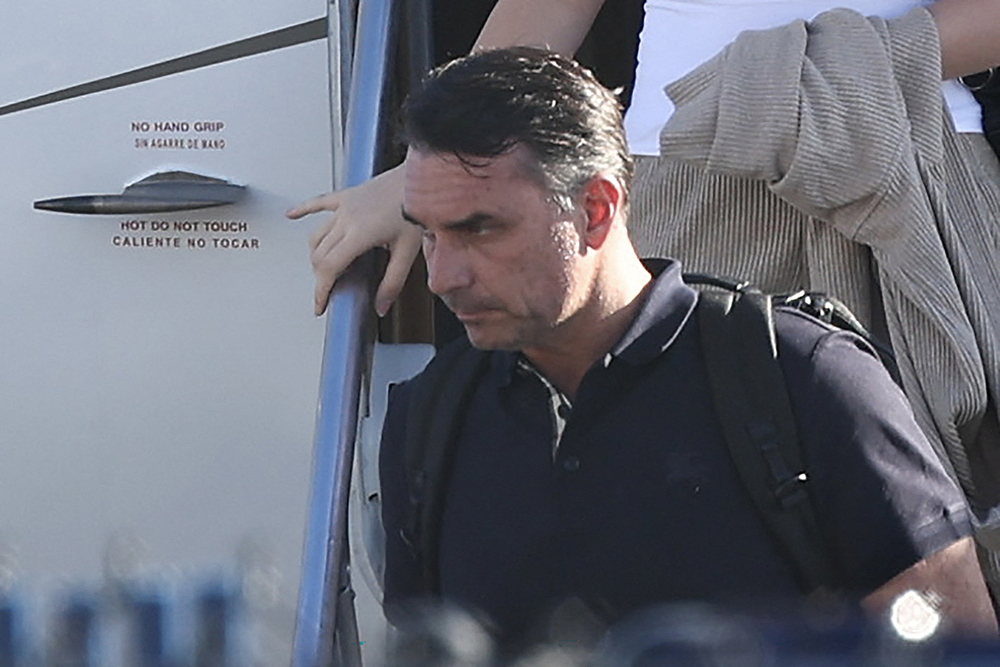
Flavio Bolsonaro, defeated Brazilian presidential candidate, declares leadership from exile while thanking foreign allies amid political turmoil.
FedEx Exceeds Q3 Earnings Expectations, Raises Full-Year Outlook
FedEx reports stronger-than-expected quarterly results and boosts annual guidance following fiscal year realignment and FedEx Freight spinoff.
Lula Criticizes Bolsonaro Son's Fleeing Brazil as 'Shameful' After Election Defeat
Brazilian President Luiz Inácio Lula da Silva condemns Flávio Bolsonaro's departure to the US as 'shameful' despite a Supreme Court order to stay. Explore the political crisis and constitutional crisis.
Latest Articles
- China's Reduced Presence at ASEAN Defense Ministers' Meeting: A Sign of Deteriorating Sino-Philippine Relations
- China Car Exports Surge Amidst Domestic Sales Slump
- US Military Costs Against Iran Top $4.7 Billion, Damages Unaccounted For
- Real Madrid Mbappe Controversy: AI-Generated Statement Debunked
- US Signals Potential Intense Military Action Against Iran After Midterm Elections
- Boeing 737 Max Production Delayed Until Late 2027