South China Sea Tensions: China's Defense Ministry Responds to Philippine Actions
China's Defense Ministry urges Philippines to prevent small groups from provoking incidents in South China Sea, emphasizing commitment to regional peace and sovereignty.
Source: thepaper.cn
The South China Sea remains a critical flashpoint in international relations, with tensions continuing to shape diplomatic relations between regional powers. As maritime disputes persist, the latest exchange between China's Defense Ministry and the Philippines highlights the delicate balance between national interests and regional stability. This situation not only affects bilateral relations but also has significant implications for global trade routes and security in the Indo-Pacific region.
Key Points
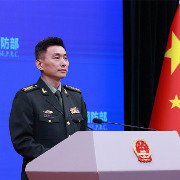
- China's Position: China's Defense Ministry spokesperson Colonel Zhang Xiaogang emphasized that improving China-Philippines relations serves mutual interests, but warned against allowing maritime disputes to dominate bilateral relations.
- Philippine Concerns: Philippine President recently expressed worry that individual fishermen or soldiers' actions could lead to uncontrollable situations, calling for completion of "South China Sea Code of Conduct" consultations with China and ASEAN.
- Provocation Warning: China stated that the Philippines cannot allow "a small group of people" to recklessly provoke incidents in the South China Sea, potentially pushing bilateral relations toward dangerous territory.
- Sovereignty Commitment: China reaffirmed its unwavering determination to protect territorial sovereignty and maritime rights in the disputed waters.
- Regional Cooperation: China expressed commitment to accelerating "South China Sea Code of Conduct" negotiations with ASEAN countries to maintain peace and stability in the region.
- Strategic Importance: The South China Sea is crucial not only for its rich resources but also as a vital shipping lane through which one-third of global maritime trade passes.
In-depth Analysis
The current tensions in the South China Sea represent a complex interplay of historical claims, economic interests, and strategic competition. China's response reflects its broader strategy of asserting sovereignty while attempting to maintain diplomatic channels for conflict resolution. The mention of "a small group of people" suggests China may be attributing provocative actions to specific factions within the Philippines rather than the government itself, potentially creating space for diplomatic maneuvering.
From a market perspective, these tensions directly impact global supply chains and energy security, particularly for nations heavily reliant on maritime trade through the region. The ongoing negotiations for a "South China Sea Code of Conduct" represent an attempt to establish rules-based governance in these contested waters, though progress has been slow due to differing interpretations of sovereignty claims.
Looking ahead, the situation will likely continue to evolve as both China and the Philippines balance domestic pressures with international obligations. The involvement of ASEAN adds another layer of complexity, as member states navigate their own relationships with China while attempting to present a unified regional position. The outcome of these negotiations could set important precedents for maritime dispute resolution globally.
Frequently Asked Questions
What is the South China Sea Code of Conduct? The South China Sea Code of Conduct is a proposed agreement between China and ASEAN nations aimed at preventing conflicts in the disputed waters. It would establish guidelines for maritime behavior, including protocols for handling incidents and preventing escalation of tensions.
How do these tensions affect global trade? The South China Sea is one of the world's busiest shipping lanes, with approximately one-third of global maritime trade passing through it. Any disruption to navigation could significantly impact supply chains, energy supplies, and global economic stability.
What role does ASEAN play in these disputes? ASEAN serves as a diplomatic intermediary between China and its member states with claims in the South China Sea. The organization has been facilitating negotiations for the Code of Conduct, though its effectiveness is limited by the diverse interests of its members and China's preference for bilateral negotiations.
Source: https://www.thepaper.cn/newsDetail_forward_34359867
Related posts

Eli Lilly Boosts Sales Outlook as Obesity Drugs Drive Growth
Eli Lilly raises 2026 revenue forecast to $91-92 billion as Zepbound and Mounjaro demand surges, despite mixed results for new obesity pill Foundayo.

Restaurant Brands Reports Mixed Q3 Results as Burger King Leads Turnaround
Restaurant Brands International shows mixed quarterly performance with Burger King's US success offsetting Popeyes' struggles. Same-store sales growth continues across the portfolio.

Chinese President Expresses Condolences Over Spain Train Accident
Xi Jinping sends condolences to Spanish King Felipe VI after deadly high-speed train collision in Toledo province.
South Korea's Impeached President Yoon Suk Yeol Faces Death Penalty in Second Trial for Insurrection
Special prosecutors seek the death penalty for former President Yoon Suk Yeol, citing a grave violation of constitutional order. Read the full analysis of this historic case.

COP17 in Yerevan: Global Biodiversity Framework Review and Funding Gaps
UN Biodiversity Conference reaches critical stage; 14 resolutions passed but funding and enforcement remain major hurdles.

Bolsonaro Son Vows Opposition to Lula Government from Abroad, Thanks Trump and Milei
Flavio Bolsonaro, defeated Brazilian presidential candidate, declares leadership from exile while thanking foreign allies amid political turmoil.

FedEx Exceeds Q3 Earnings Expectations, Raises Full-Year Outlook
FedEx reports stronger-than-expected quarterly results and boosts annual guidance following fiscal year realignment and FedEx Freight spinoff.

Lula Criticizes Bolsonaro Son's Fleeing Brazil as 'Shameful' After Election Defeat
Brazilian President Luiz Inácio Lula da Silva condemns Flávio Bolsonaro's departure to the US as 'shameful' despite a Supreme Court order to stay. Explore the political crisis and constitutional crisis.
Latest Articles
- China's Reduced Presence at ASEAN Defense Ministers' Meeting: A Sign of Deteriorating Sino-Philippine Relations
- China Car Exports Surge Amidst Domestic Sales Slump
- US Military Costs Against Iran Top $4.7 Billion, Damages Unaccounted For
- Real Madrid Mbappe Controversy: AI-Generated Statement Debunked
- US Signals Potential Intense Military Action Against Iran After Midterm Elections
- Boeing 737 Max Production Delayed Until Late 2027