Bridging US-China Divide: Need for New Generation of China-Savvy Americans
Former Chinese official calls for young Americans who truly understand China to mend bilateral relations amid growing tensions.
Source: thepaper.cn
In an era of escalating tensions between the world's two largest economies, the need for genuine cross-cultural understanding has never been more critical. As diplomatic relations face unprecedented challenges, a recent dialogue in Shanghai has highlighted the urgent necessity for a new generation of Americans who possess authentic knowledge of China beyond stereotypes and political rhetoric.
Key Insights
- Historical Context: The 1980s and 1990s represented a period of relatively positive US-China relations, characterized by growing economic interdependence and diplomatic cooperation. This foundation of mutual benefit established patterns of engagement that, while not without friction, provided stability for decades.
- Recent Deterioration: The past several years, particularly under the Trump and Biden administrations, have witnessed significant deterioration in bilateral relations. Trade wars, technological restrictions, and increasingly confrontational rhetoric have created an atmosphere of mistrust that threatens global economic stability.
- The Kissinger Legacy: Former US Secretary of State Henry Kissinger played a pivotal role in establishing diplomatic relations between the two nations. His nuanced understanding of Chinese history and culture enabled him to navigate complex negotiations that seemed impossible to others.
- Beyond Individual Diplomats: Rather than hoping for another "Kissinger" figure to single-handedly repair relations, experts now emphasize the need for a broader ecosystem of China-knowledgeable Americans across various sectors including business, academia, and government.
- Educ Imperative: There's a growing consensus that educational institutions must prioritize comprehensive China studies programs that go beyond language training to include political, economic, and cultural understanding.
- Youth Exchange Programs: Revitalizing and expanding educational and professional exchange programs between the two countries could help cultivate the next generation of China-savvy American leaders.
- Media Responsibility: The media on both sides bears responsibility for moving beyond sensationalism and providing nuanced coverage that reflects the complexity of US-China relations.
- Economic Interdependence: Despite political tensions, the deep economic integration between the two countries creates a powerful incentive for finding common ground and maintaining channels of communication.
In-Depth Analysis
The current state of US-China relations represents one of the most significant geopolitical challenges of the 21st century. The deterioration of what was once called the "strategic partnership" has far-reaching implications for global trade, climate change initiatives, and regional security. The recent "China-US Intergenerational Dialogue 2026" in Shanghai, co-hosted by The Paper and the Shanghai Institute for International Studies, brought together experts to address this critical issue.
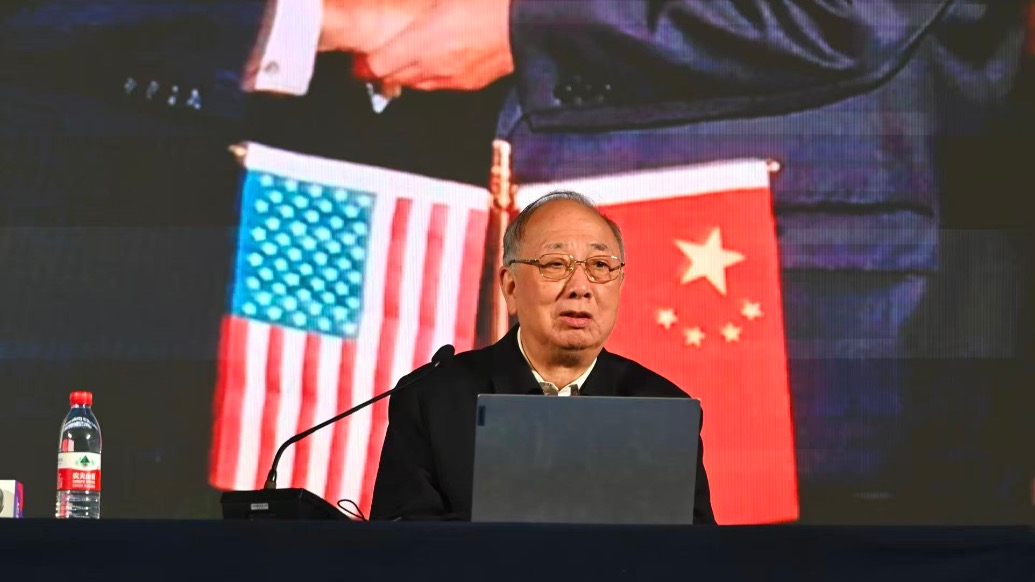
Former Director of the State Council Information Office Zhao Qizheng emphasized that the solution lies not in finding another Henry Kissinger but in cultivating a generation of young Americans who genuinely understand China's history, culture, and contemporary society. This approach recognizes that diplomatic breakthroughs are increasingly dependent on broad-based understanding rather than individual relationships.
The business community, particularly multinational corporations with operations in both countries, has a vested interest in fostering better relations. These companies have become de facto ambassadors, navigating complex regulatory environments while maintaining cross-cultural teams that bridge the understanding gap. Their experiences offer valuable insights for policymakers seeking to stabilize the relationship.
Looking ahead, the path forward will require deliberate investment in people-to-people connections, educational exchanges, and professional development programs that build deep expertise on both sides. The alternative—a continued descent into zero-sum thinking—would have devastating consequences for global prosperity and security.
Frequently Asked Questions
Why is it important to have Americans who understand China? Americans with genuine knowledge of China can help prevent misunderstandings that escalate into conflicts, identify areas of mutual interest, and facilitate more effective diplomatic and business negotiations between the two nations.
How can we cultivate more China-knowledgeable Americans? Expanding educational programs focused on comprehensive China studies, increasing funding for language and cultural training, revitalizing exchange programs, and encouraging more nuanced media coverage are all essential steps toward building this expertise.
What role does business play in improving US-China relations? Multinational corporations with operations in both countries serve as important bridges, maintaining economic interdependence while fostering cross-cultural understanding through their diverse workforces and business practices.
Source: https://www.thepaper.cn/newsDetail_forward_34367002
Related posts
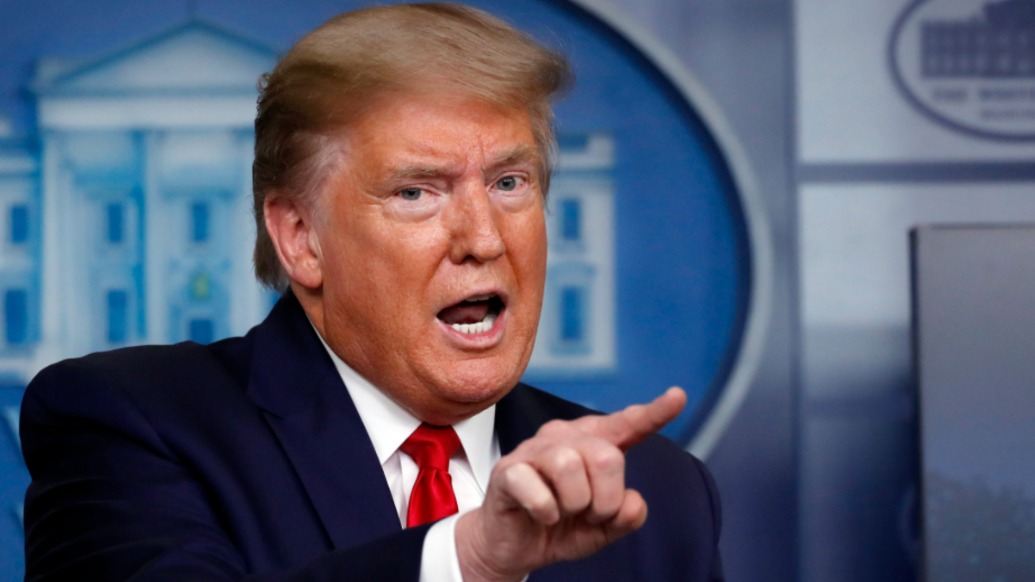
Trump's Confrontation with Reuters Journalist Sparks Media Firestorm
Former President Trump's heated exchange with a Reuters reporter at military base raises questions about press freedom and political discourse.
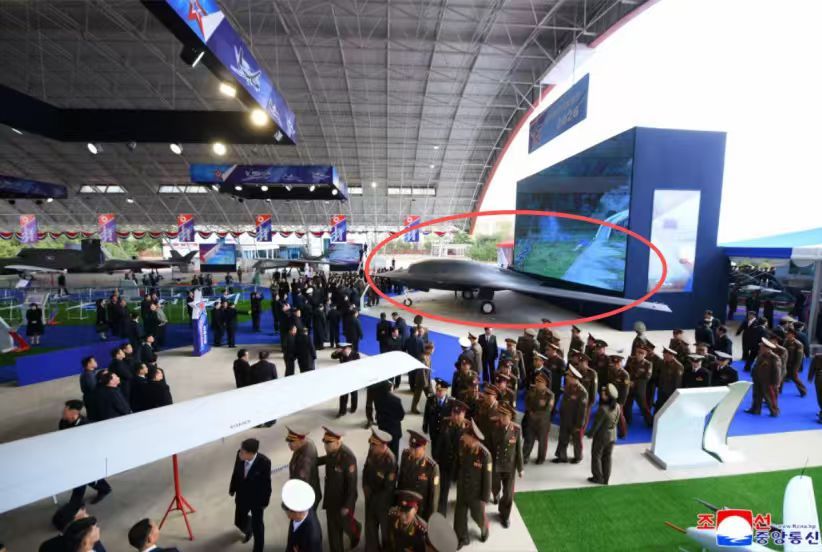
North Korea Unveils New Stealth Drone at Major Aviation Exhibition
North Korea showcased a previously unseen stealth drone with a flying wing design at the 'Unmanned Aviation Technology Development-2026' exhibition. Explore the implications of this new military hardware.

Chinese President Expresses Condolences Over Spain Train Accident
Xi Jinping sends condolences to Spanish King Felipe VI after deadly high-speed train collision in Toledo province.

The Blade Master: How an 80-Year-Old Ice Hockey Sharpener Became a Legend
Meet Ma Zhanru, the 80-year-old ice blade sharpener who has spent decades perfecting his craft, supporting champions, and finding purpose in the ice rink.
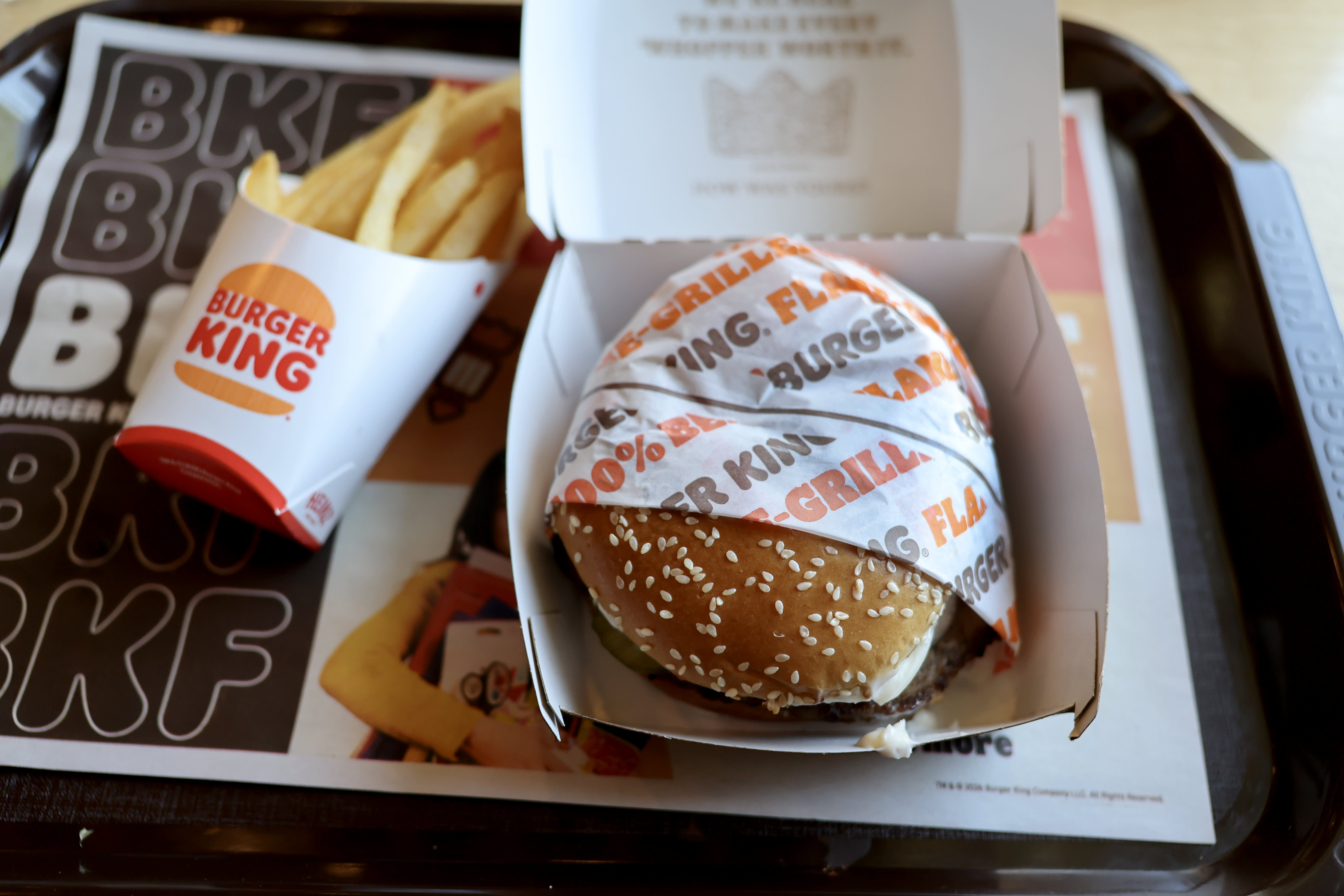
Restaurant Brands Reports Mixed Q3 Results as Burger King Leads Turnaround
Restaurant Brands International shows mixed quarterly performance with Burger King's US success offsetting Popeyes' struggles. Same-store sales growth continues across the portfolio.

Eli Lilly Boosts Sales Outlook as Obesity Drugs Drive Growth
Eli Lilly raises 2026 revenue forecast to $91-92 billion as Zepbound and Mounjaro demand surges, despite mixed results for new obesity pill Foundayo.

US Economy Grows 3.4% Ahead Of Midterms: Inflation Woes Persist
US GDP grew 3.4% in Q3, driven by AI and consumer spending, but inflation and high costs remain key voter concerns.
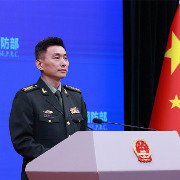
South China Sea Tensions: China's Defense Ministry Responds to Philippine Actions
China's Defense Ministry urges Philippines to prevent small groups from provoking incidents in South China Sea, emphasizing commitment to regional peace and sovereignty.
Latest Articles
- South Korea's Impeached President Yoon Suk Yeol Faces Death Penalty in Second Trial for Insurrection
- COP17 in Yerevan: Global Biodiversity Framework Review and Funding Gaps
- Bolsonaro Son Vows Opposition to Lula Government from Abroad, Thanks Trump and Milei
- FedEx Exceeds Q3 Earnings Expectations, Raises Full-Year Outlook
- Lula Criticizes Bolsonaro Son's Fleeing Brazil as 'Shameful' After Election Defeat
- China's Reduced Presence at ASEAN Defense Ministers' Meeting: A Sign of Deteriorating Sino-Philippine Relations