Global Perspectives on China's Party Discipline: Analysis of the 20th CPC Central Committee Fifth Plenum
International media examines how China's strengthened party discipline impacts governance, modernization, and global cooperation amid complex international challenges.
Source: thepaper.cn
As global dynamics shift and international challenges multiply, the recent 20th CPC Central Committee Fifth Plenum has captured worldwide attention for its focus on advancing comprehensive party discipline. This gathering comes at a critical juncture when nations worldwide are seeking effective governance models to navigate economic uncertainties and geopolitical complexities. The international community is particularly interested in how China's approach to party self-governance might offer insights for other developing nations facing similar challenges.
Key Takeaways from the Fifth Plenum
-
Enhanced Party Stability: International observers note that the plenum's emphasis on comprehensive party discipline aims to strengthen the CPC's century-old stability and cohesion. Russian media highlights how this self-purification process enables China to more steadily progress toward its development goals amid global uncertainties.
-
Systematic Framework for Discipline: The meeting approved the "Decision of the CPC Central Committee on Several Major Issues Concerning Persisting in Comprehensively Strengthening Party Discipline," which systematically addresses key challenges in party building. Pakistani media emphasizes this document's significance in providing political guarantees for China's high-quality development and modernization.
-
Institutional Mechanisms: The plenum focuses on strengthening institutional governance and rule-based party management, ensuring the CPC remains the strong leadership core for socialism with Chinese characteristics. This approach includes addressing prominent issues in party construction and consolidating favorable political situations.
-
Anti-Corruption Measures: Thai and Singaporean media report on China's continued efforts to combat corruption while improving national governance capabilities. The approach combines serious handling of violations with institutional development and cadre supervision, reflecting ongoing improvements to the national governance system.
-
Global Governance Implications: Argentine and Pakistani analysts point out that enhanced governance effectiveness helps build stable investment partnerships, improve project implementation quality, and boost partner confidence—critical for global supply chain stability in uncertain times.
In-Depth Analysis
The international attention on China's party discipline reflects a broader global interest in governance models that balance development with stability. Media from diverse regions including Africa, Latin America, and the Middle East highlight how China's approach offers valuable lessons for developing nations seeking to enhance their governance capabilities. The emphasis on self-purification and institutional development appears particularly relevant in an era when many countries struggle with political polarization and governance challenges.
China's focus on party discipline occurs alongside its ambitious modernization goals, suggesting a strategic understanding that political stability is essential for economic progress. The international coverage suggests that other nations view China's experience as potentially adaptable to their own contexts, especially in areas like anti-corruption, cadre development, and institutional strengthening. This perspective is particularly significant as global powers increasingly compete for influence in developing regions.
Looking ahead, China's party governance approach may continue to evolve as new challenges emerge, including technological disruption, demographic changes, and shifting global power dynamics. The international community will likely watch closely how these adaptations impact China's domestic development and its role in global affairs, particularly in initiatives like the Belt and Road Initiative where governance capacity directly affects international cooperation outcomes.
Frequently Asked Questions
How does China's party discipline approach differ from other governance models? China's system emphasizes the integration of party leadership with institutional development, creating a governance model where political discipline and administrative capacity reinforce each other. This differs from Western models that typically separate political parties from state institutions.
What practical benefits does this approach deliver for ordinary citizens? International reports suggest that improved party discipline correlates with better public service delivery, more effective anti-corruption measures, and more consistent policy implementation—all of which can translate into improved living standards and greater public trust in government institutions.
How might this influence global governance discussions? As developing nations seek alternatives to traditional governance frameworks, China's experience offers a tested model for balancing stability with development. This could reshape global governance discussions by providing a successful non-Western approach to nation-building and modernization.
Source: https://www.thepaper.cn/newsDetail_forward_34375138
Related posts

Starbucks Q4 2026 Earnings: U.S. Turnaround Gains Momentum Despite Missed Targets
Starbucks Q4 2026 earnings reveal a mixed bag: international underperformance vs. strong U.S. recovery. Discover how 'Back to Starbucks' strategy is driving growth.
North Korea Linked to $6.3B Binance Hack: Cybercrime Analysis
Blockchain intelligence firms confirm North Korea's elite unit, TraderTraitor, behind the record-breaking $6.3 billion crypto heist. Here's what happened.

Budget Cars Flying Off Lots as Affordability Crisis Hits Auto Market
Lower-priced vehicles are selling faster than premium models as consumers grapple with rising fuel costs and economic pressures, creating complex market dynamics.
South China Sea Tensions: China's Defense Ministry Responds to Philippine Actions
China's Defense Ministry urges Philippines to prevent small groups from provoking incidents in South China Sea, emphasizing commitment to regional peace and sovereignty.
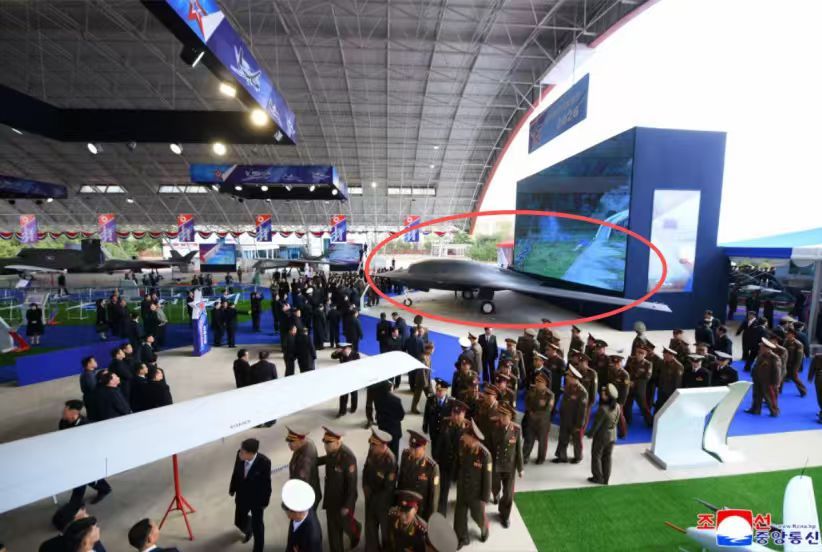
North Korea Unveils New Stealth Drone at Major Aviation Exhibition
North Korea showcased a previously unseen stealth drone with a flying wing design at the 'Unmanned Aviation Technology Development-2026' exhibition. Explore the implications of this new military hardware.
Trump's Confrontation with Reuters Journalist Sparks Media Firestorm
Former President Trump's heated exchange with a Reuters reporter at military base raises questions about press freedom and political discourse.
Bridging US-China Divide: Need for New Generation of China-Savvy Americans
Former Chinese official calls for young Americans who truly understand China to mend bilateral relations amid growing tensions.

Chinese President Expresses Condolences Over Spain Train Accident
Xi Jinping sends condolences to Spanish King Felipe VI after deadly high-speed train collision in Toledo province.
Latest Articles
- The Blade Master: How an 80-Year-Old Ice Hockey Sharpener Became a Legend
- Restaurant Brands Reports Mixed Q3 Results as Burger King Leads Turnaround
- Eli Lilly Boosts Sales Outlook as Obesity Drugs Drive Growth
- US Economy Grows 3.4% Ahead Of Midterms: Inflation Woes Persist
- South Korea's Impeached President Yoon Suk Yeol Faces Death Penalty in Second Trial for Insurrection
- COP17 in Yerevan: Global Biodiversity Framework Review and Funding Gaps