EU-Canada 'Associate Member' Proposal: Ursula von der Leyen's Strategic Move Amidst Internal Divisions
EU Commission President Ursula von der Leyen pushes for Canada to become an associate member, a bid to strengthen ties amidst US trade tensions and geopolitical shifts, despite significant internal resistance from member states.
Source: thepaper.cn
In an increasingly volatile geopolitical landscape, the European Union and Canada are exploring uncharted diplomatic territory. European Commission President Ursula von der Leyen has reignited a controversial proposal: elevating Canada to the status of an "associate member" within the EU framework. This move signals a desire for deeper integration beyond standard trade agreements, aiming to counterbalance shifting power dynamics. However, the proposal has sparked intense debate, revealing a schism within the European bloc regarding the limits of its own expansion and sovereignty.
Key Developments
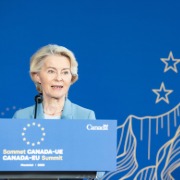
- Historic Summit Proposal: During the Canada-EU Summit in Montreal on October 29, President von der Leyen proposed that Canada become the first "associate member" of the EU, aiming to elevate bilateral relations to their highest possible level.
- Strategic Rationale: The proposal is driven by shared political realities, specifically the trade disputes between Canada and the US and the unexpected thawing of US-Russia relations, which has left Europe seeking new economic and security partners.
- Joint Agreements Signed: Beyond the membership proposal, the leaders signed several new protocols covering investment, digital trade, competition, and border security, aiming to define the scope of this closer relationship before next year's summit.
- Internal EU Resistance: The concept of an "associate member" is not enshrined in EU treaties. Several member states, including Germany and France, have pushed back, leading the draft summit declaration to replace the specific term with the more generic phrase "even closer ties."
- Agricultural Disputes: A significant hurdle remains the delayed ratification of the EU-Canada Comprehensive Economic and Trade Agreement (CETA). Ten member states, including France and Italy, have blocked it to protect local farmers from Canadian agricultural imports.
- Canadian Sovereignty Concerns: While Canadian public opinion generally supports stronger ties with Europe, domestic critics argue that associate membership could erode national sovereignty and subject Canada to burdensome EU regulations.
Deep Dive Analysis
The push for an "associate member" status represents a sophisticated diplomatic maneuver by the EU to extend its influence without formally admitting a non-European state. By offering Canada a unique tier of participation—potentially including attendance at summits and ministerial meetings without voting rights—the EU seeks to institutionalize a relationship that is becoming increasingly vital. This status would allow for a degree of regulatory alignment that standard trade pacts cannot achieve, effectively creating a "special relationship" that strengthens the EU's hand in global negotiations.
However, the resistance from member states highlights a fundamental tension in the EU's identity. The EU's founding treaties strictly limit membership to European nations. The skepticism from countries like Germany and France suggests that while the political leadership may see value in an external partner, the domestic political reality in Europe is more protective of the bloc's integrity. The removal of the specific term from the draft declaration indicates that the EU is prioritizing consensus over ambitious structural changes.
Furthermore, the stalemate over CETA reveals that economic protectionism can still override strategic partnerships. The refusal of several nations to ratify the trade deal, citing the impact on local farmers, demonstrates that the EU’s internal market cohesion is fragile. For Canada, this situation presents a complex opportunity. While the prospect of a closer relationship is attractive, the requirement to navigate the differing priorities of 27 member states complicates the path forward. Ultimately, the success of this initiative depends on whether the EU can balance its desire for global strategic depth with the need to maintain internal political stability.
Frequently Asked Questions
What exactly is an "associate member" of the EU?
Unlike a full member state, an associate member would likely have the right to participate in EU summits and ministerial meetings but would not hold voting power in the European Council. It is a consultative status designed to foster closer policy alignment without the full political obligations of membership.
Why is Canada interested in this role?
Canada seeks to diversify its trade and security partnerships away from the United States. As trade tensions between North American neighbors rise, securing a "special relationship" with the EU offers Canada economic stability and a stronger voice in global affairs.
Why is the EU divided on this issue?
The division stems from legal and political concerns. Legally, EU treaties do not provide for associate membership. Politically, member states are wary of setting a precedent that could invite other non-European nations to seek similar status, potentially undermining the EU's sovereignty and the European project.
Source: https://www.thepaper.cn/newsDetail_forward_34376334
Related posts
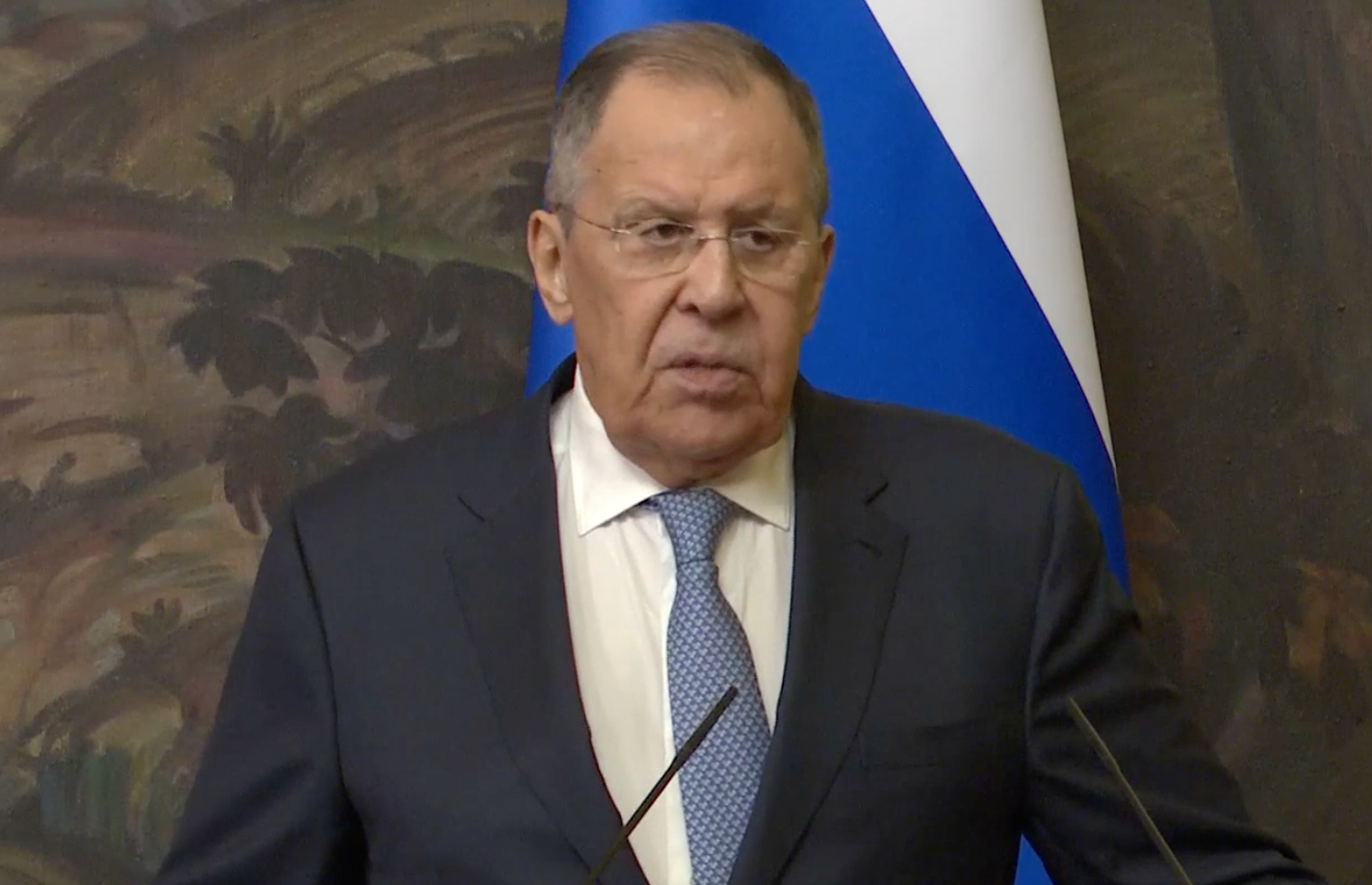
Ukraine Expands Strikes, Russia Denies Progress: The Core Conflict Remains
As diplomatic talks loom in Abu Dhabi, Russia and Ukraine escalate military capabilities. Explore the stalled peace process and the deepening rift between Moscow and Washington.

Poland's Constitutional Crisis: President Returns, PM Accused of Coup
Poland's political standoff escalates as President Nawrocki cancels a trip and PM Tusk faces accusations of a judicial coup.
Global Perspectives on China's Party Discipline: Analysis of the 20th CPC Central Committee Fifth Plenum
International media examines how China's strengthened party discipline impacts governance, modernization, and global cooperation amid complex international challenges.

Starbucks Q4 2026 Earnings: U.S. Turnaround Gains Momentum Despite Missed Targets
Starbucks Q4 2026 earnings reveal a mixed bag: international underperformance vs. strong U.S. recovery. Discover how 'Back to Starbucks' strategy is driving growth.
North Korea Linked to $6.3B Binance Hack: Cybercrime Analysis
Blockchain intelligence firms confirm North Korea's elite unit, TraderTraitor, behind the record-breaking $6.3 billion crypto heist. Here's what happened.

Budget Cars Flying Off Lots as Affordability Crisis Hits Auto Market
Lower-priced vehicles are selling faster than premium models as consumers grapple with rising fuel costs and economic pressures, creating complex market dynamics.
South China Sea Tensions: China's Defense Ministry Responds to Philippine Actions
China's Defense Ministry urges Philippines to prevent small groups from provoking incidents in South China Sea, emphasizing commitment to regional peace and sovereignty.
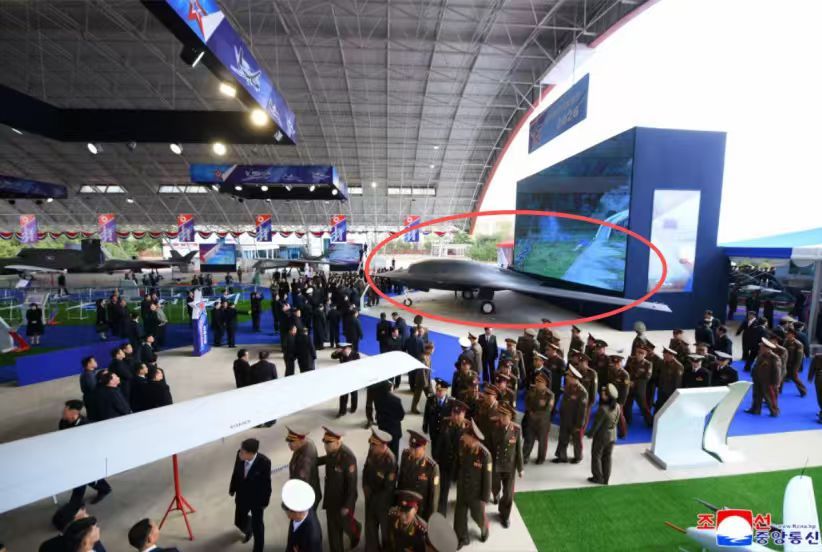
North Korea Unveils New Stealth Drone at Major Aviation Exhibition
North Korea showcased a previously unseen stealth drone with a flying wing design at the 'Unmanned Aviation Technology Development-2026' exhibition. Explore the implications of this new military hardware.
Latest Articles
- Trump's Confrontation with Reuters Journalist Sparks Media Firestorm
- Bridging US-China Divide: Need for New Generation of China-Savvy Americans
- Chinese President Expresses Condolences Over Spain Train Accident
- The Blade Master: How an 80-Year-Old Ice Hockey Sharpener Became a Legend
- Restaurant Brands Reports Mixed Q3 Results as Burger King Leads Turnaround
- Eli Lilly Boosts Sales Outlook as Obesity Drugs Drive Growth