Spanish Train Crash: Viral Video is Old Footage, Not Pre-Disaster Footage
Fact-check reveals the viral video of a swaying train is from 2020, not the recent Toledo crash. Learn why misinformation spreads.
Source: thepaper.cn
The recent high-speed train collision in the province of Toledo, Spain, has sparked widespread concern and confusion. Amidst the chaos, a video purportedly showing the interior of a train moments before the crash began circulating rapidly on social media. However, a deep dive into the footage reveals a troubling trend: the video is not a record of the recent tragedy, but a recycled clip from six years ago. This incident underscores the critical need for media literacy in the digital age, where visual evidence is often weaponized to manipulate public perception.
Key Facts
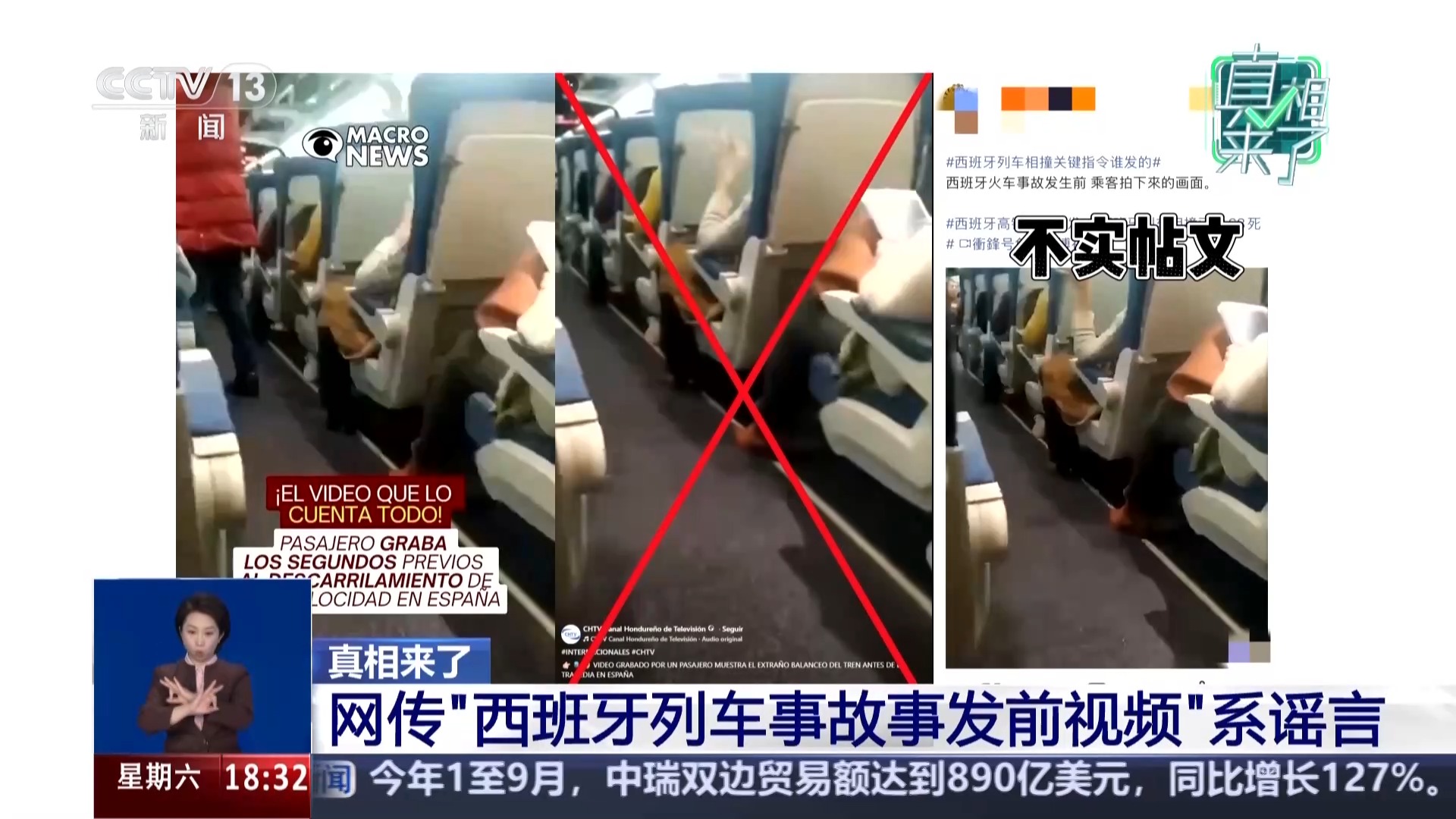
- The Viral Video is a Misleading Reuse: The clip currently circulating online, which depicts a train car swaying violently, is not footage from the October 28, 2026, collision. It has been confirmed by Spanish state broadcaster RTVE and news agency EFE as a recycled video from 2020.
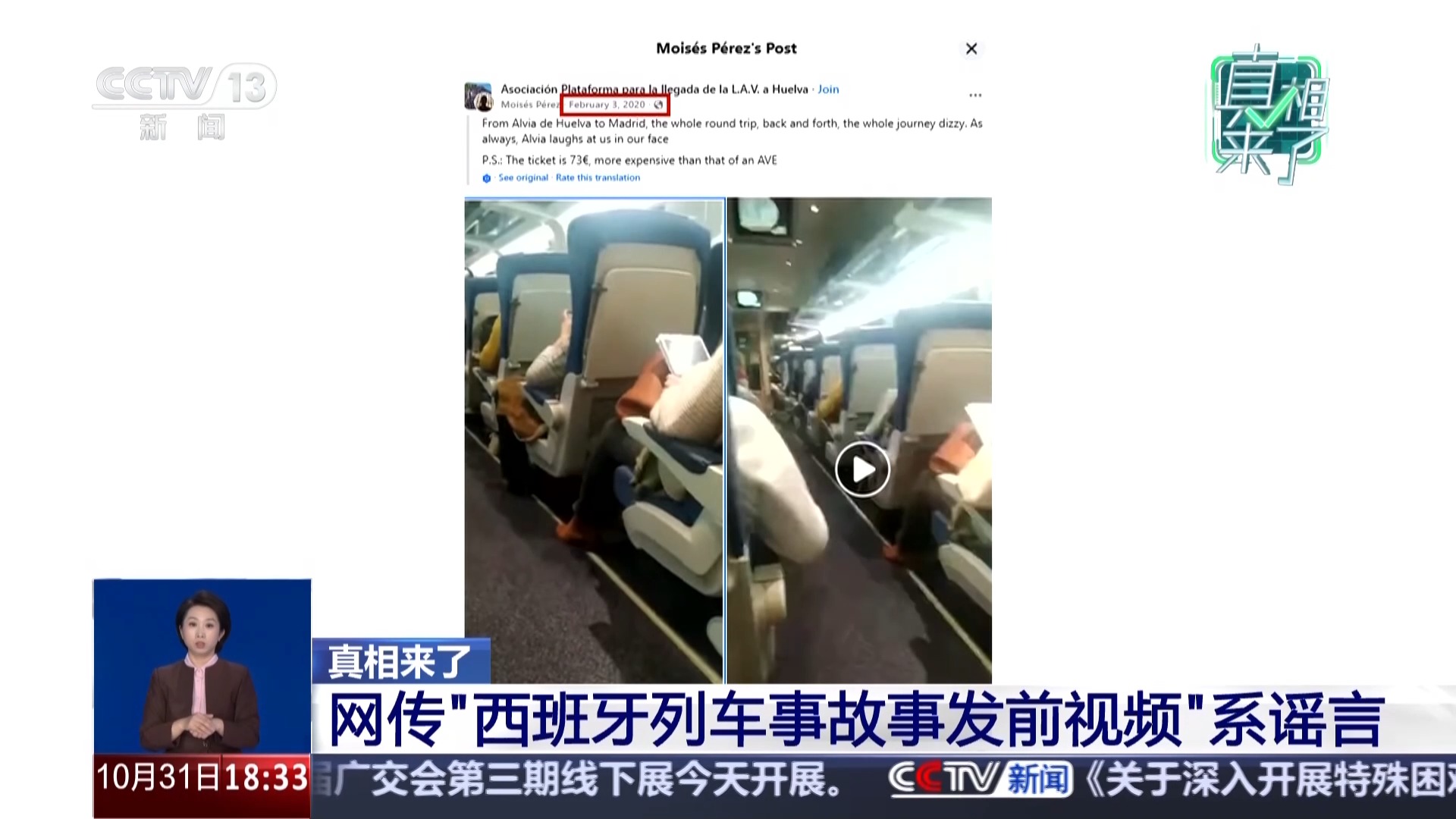
- Original Context: A Complained Journey: The footage originally surfaced in February 2020 on a social media group dedicated to improving rail services in the Huelva region of southern Spain. The uploader described a nauseating experience due to the train's continuous swaying during a long-distance trip from Huelva to Madrid.
- Consistent Visuals Across Years: Fact-checkers, including US-based organizations, have verified that the two versions of the video circulating in 2026 (20 seconds and 12 seconds long) are identical to the 2020 uploads. The visual quality and the specific motion of the train cabin match perfectly.
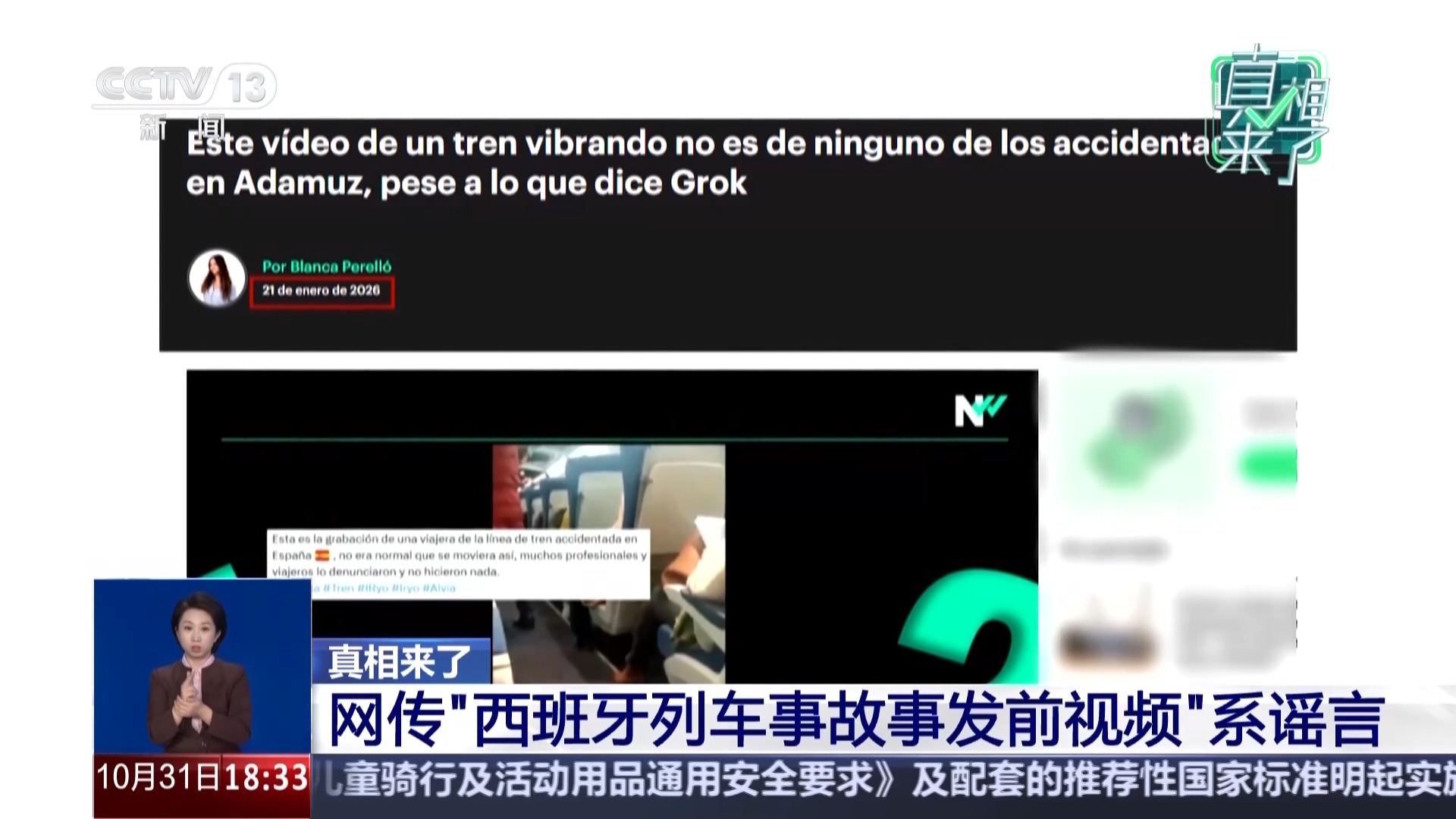
- A Recurring Pattern of Misinformation: This is not the first time this specific video has been mislabeled. It was previously circulated in January 2026 following a separate train derailment in Córdoba, where it was falsely claimed to be the interior of the accident train. The pattern suggests a deliberate strategy of re-packaging old content to exploit fresh tragedy.
- Official Rejection of Claims: Despite the video's widespread sharing, there is no evidence that the Spanish authorities ignored safety warnings. The video's origin is a passenger's complaint about a smooth journey that turned rough, not a report of impending disaster.
In-Depth Analysis
The rapid spread of this misleading video highlights the volatile intersection of real-world disaster and digital misinformation. In the immediate aftermath of the Toledo crash, the public's desire for information and closure is at its peak. This vulnerability is precisely what bad actors exploit. By presenting a clip from a 2020 trip as a 'pre-crash' warning, the creators of the misinformation attempted to manufacture a narrative of negligence or a cover-up.
From a media literacy perspective, this case serves as a stark reminder of the importance of source verification. The visual content of the video—specifically the swaying of the cabin—was compelling because it mirrored the chaos of the accident. However, the 'who, what, when, and where' details were entirely missing or falsified. The original context was a routine commute that turned bumpy, not a precursor to a catastrophe.
Furthermore, the reuse of this specific clip suggests a low-effort, high-impact strategy often seen in online disinformation campaigns. Rather than creating new fake content, bad actors recycle and re-label existing media. This allows them to bypass the need for advanced video editing skills while still generating significant engagement and fear. The fact that the video was debunked in January 2026 but resurfaced successfully in October indicates that the digital memory of the public and fact-checkers is short-lived.
Frequently Asked Questions
Q: What exactly does the video show?
A: The video shows the interior of a train carriage. It depicts the cabin swaying back and forth from left to right. While this motion might look alarming, it is a recording of a passenger's journey from Huelva to Madrid in 2020, not the Toledo crash.
Q: Why is this video being shared now?
A: The video is being shared in the context of the October 28, 2026, train crash. Misinformation campaigns often recycle old footage and falsely label it as new evidence related to a major event to generate clicks and fear.
Q: How can I avoid falling for similar misinformation?
A: Always check the date and origin of the video. Look for official reports from reputable news agencies like RTVE or EFE. Be skeptical of sensational claims that lack verifiable sources.
Source: https://www.thepaper.cn/newsDetail_forward_34380395
Related posts

Binance Security Incident: $6.3 Billion Frozen After Hack
Binance confirms a significant security breach involving a compromised DevOps engineer's laptop. Over $6.3 billion in assets have been frozen by the exchange and stablecoin partners.

Binance $6.3B Crypto Heist: North Korean Cyber Warfare Explained
The massive $6.3 billion hack of Binance reveals the growing threat of state-sponsored cyber warfare and the regulatory gaps in the crypto industry.

AI Giants Face Critical Risks: Supply Chain and Technology Obsolescence
Explore the two most pressing challenges for AI companies like Anthropic: Taiwan's semiconductor dependence and the threat of outdated technology locking in expensive contracts.

Data Center Plans Threaten West Virginia's Wilderness and Dark Skies
A massive data center project in West Virginia raises concerns about environmental impact, light pollution, and the future of the region's pristine wilderness areas.
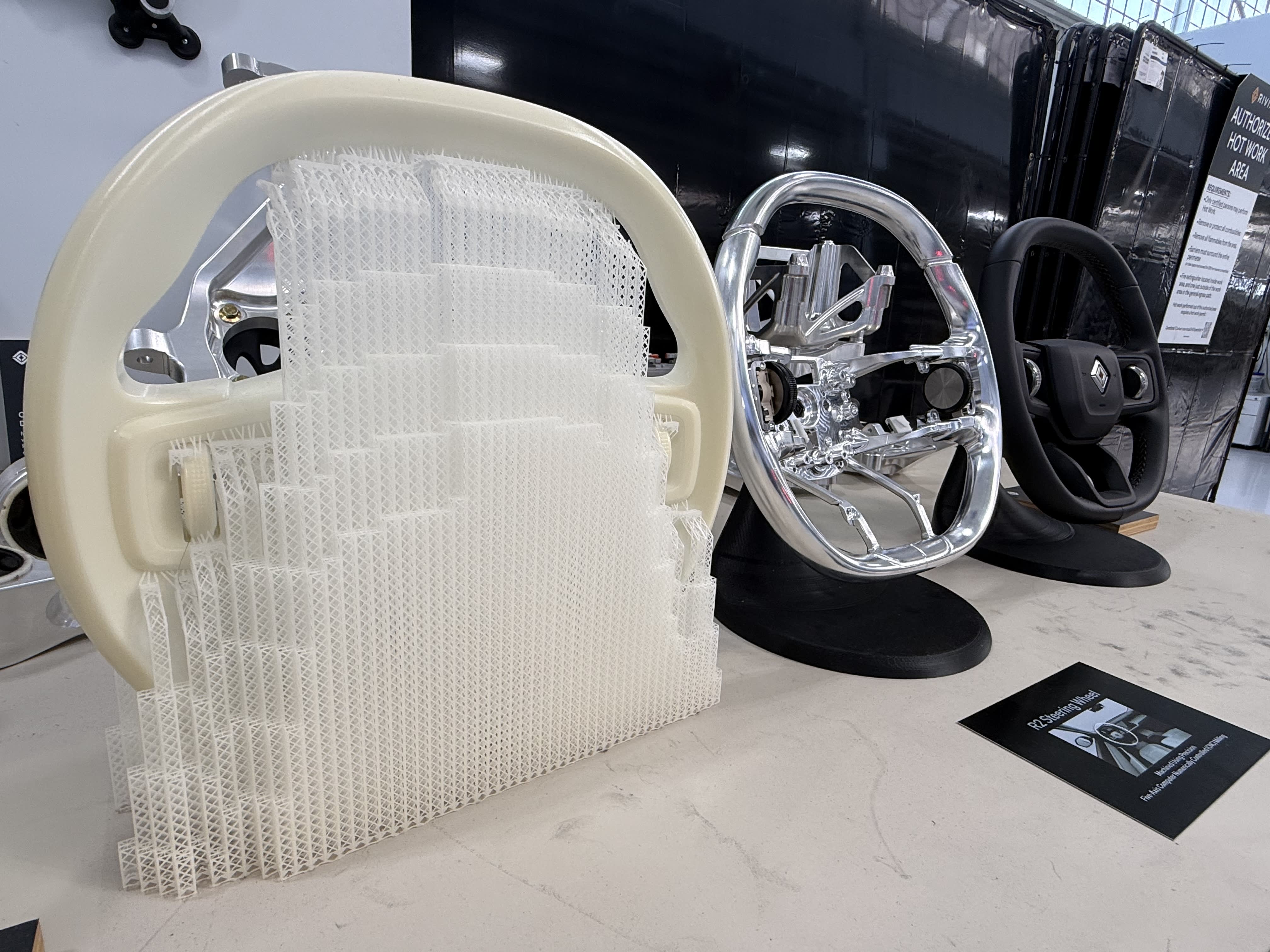
How Automakers Are Revolutionizing Manufacturing with 3D Printing
Ford, Rivian, and GM are democratizing 3D printing to cut costs, accelerate production, and transform automotive manufacturing processes.
Ukraine Expands Strikes, Russia Denies Progress: The Core Conflict Remains
As diplomatic talks loom in Abu Dhabi, Russia and Ukraine escalate military capabilities. Explore the stalled peace process and the deepening rift between Moscow and Washington.

EU-Canada 'Associate Member' Proposal: Ursula von der Leyen's Strategic Move Amidst Internal Divisions
EU Commission President Ursula von der Leyen pushes for Canada to become an associate member, a bid to strengthen ties amidst US trade tensions and geopolitical shifts, despite significant internal resistance from member states.

Poland's Constitutional Crisis: President Returns, PM Accused of Coup
Poland's political standoff escalates as President Nawrocki cancels a trip and PM Tusk faces accusations of a judicial coup.
Latest Articles
- Global Perspectives on China's Party Discipline: Analysis of the 20th CPC Central Committee Fifth Plenum
- Starbucks Q4 2026 Earnings: U.S. Turnaround Gains Momentum Despite Missed Targets
- North Korea Linked to $6.3B Binance Hack: Cybercrime Analysis
- Budget Cars Flying Off Lots as Affordability Crisis Hits Auto Market
- South China Sea Tensions: China's Defense Ministry Responds to Philippine Actions
- North Korea Unveils New Stealth Drone at Major Aviation Exhibition