Middle East Peace: Wang Yi's Diplomatic Push for Dialogue in Iran Talks
Wang Yi meets Iranian deputy secretary to discuss regional stability, emphasizing dialogue over conflict and China's role in the Global South.
Source: thepaper.cn
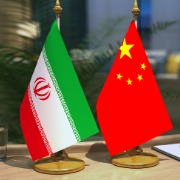
The Middle East is currently facing a critical juncture, with ongoing conflicts threatening to destabilize the entire region. Amidst this volatility, diplomatic efforts are intensifying, with Chinese diplomacy taking a central stage. On November 2, 2026, Wang Yi, a member of the Political Bureau of the CPC Central Committee and Director of the Office of the Central Commission for Foreign Affairs, held a significant meeting with Mohammad Baqeri, Deputy Secretary of Iran's Supreme National Security Council. This encounter highlights Beijing's strategic intent to act as a stabilizing force, advocating for a political resolution to the crisis rather than a military escalation.
Key Points of the Meeting
- Advocacy for Dialogue over Conflict: Wang Yi explicitly stated that the prolonged warfare in the Middle East requires a shift toward dialogue and negotiation. He urged all parties to adopt a responsible attitude toward their people and history, focusing on rational and pragmatic political solutions instead of returning to armed confrontation.
- China's Commitment to Regional Stability: China expressed its willingness to uphold the series of initiatives and propositions proposed by President Xi Jinping regarding the de-escalation of the Middle East situation. The goal is to continue contributing to the restoration of regional peace in collaboration with all stakeholders.
- Steadfast Support for Sovereignty: Despite the turbulent international landscape, China emphasized that its relationship with Iran remains stable and develops in line with the fundamental interests of both nations. Beijing firmly supports Iran in maintaining its sovereignty and security.
- Iran's Stance on Security: Baqeri reaffirmed Iran's commitment to defending its national security, sovereignty, and territorial integrity against external pressures and threats. He noted that Iran is open to contact and negotiation, actively striving to achieve regional peace and stability.
- Appreciation of China's Role: Iran expressed deep appreciation for President Xi Jinping's initiatives and China's consistent stance on upholding multilateralism. The two sides agreed to enhance cooperation within international and multilateral frameworks to promote the steady development of bilateral relations.
In-Depth Analysis
The meeting between Wang Yi and Baqeri serves as a clear signal of China's evolving role as a global mediator. In an era where traditional power blocs are fracturing, Beijing is positioning itself as a key interlocutor capable of bridging divides. By engaging with Iran, a pivotal nation in the region, China reinforces its diplomatic leverage and its commitment to a multipolar world order.
This diplomatic engagement is particularly significant for the "Global South." Both China and Iran represent emerging economies that prioritize sovereignty and non-interference. Wang Yi's remarks regarding the stability of their relationship amidst international turmoil underscore a shared strategic vision. For the Global South, this partnership offers an alternative narrative to Western-centric security models, emphasizing dialogue and mutual respect over coercion.
Looking ahead, the effectiveness of this diplomatic push will depend on the ability of regional actors to trust China's mediation. While the rhetoric of peace and political resolution is positive, the practical implementation requires sustained engagement and the willingness of conflicting parties to de-escalate. China's continued involvement suggests a long-term strategy to embed itself as a permanent fixture in Middle East peace processes.
Frequently Asked Questions
Q: Why is China's involvement in the Middle East becoming more prominent?
A: China is increasingly acting as a stabilizing force in the Middle East to secure energy resources, expand its Belt and Road Initiative, and assert its status as a major global power. It aims to promote a multipolar world order where dialogue is prioritized over military confrontation.
Q: What are the main differences between China's approach and Western approaches to the Middle East conflict?
A: Western approaches often focus on security alliances and military deterrence. In contrast, China emphasizes diplomatic engagement, non-interference in internal affairs, and the promotion of dialogue and political solutions, often framing its role through the lens of Global South solidarity.
Q: How does the relationship between China and Iran benefit both countries?
A: For China, Iran is a crucial partner in energy security and a gateway to the Middle East. For Iran, China provides economic investment and political support, helping to counter Western sanctions and bolster its international standing.
Source: https://www.thepaper.cn/newsDetail_forward_34388416
Related posts

Belgian Prime Minister Resigns After Budget Talks Collapse Amid EU Pressures
Belgium faces political crisis as Prime Minister De Wever resigns following failed budget negotiations, with King Philip delaying decision amid EU fiscal requirements and NATO defense spending demands.
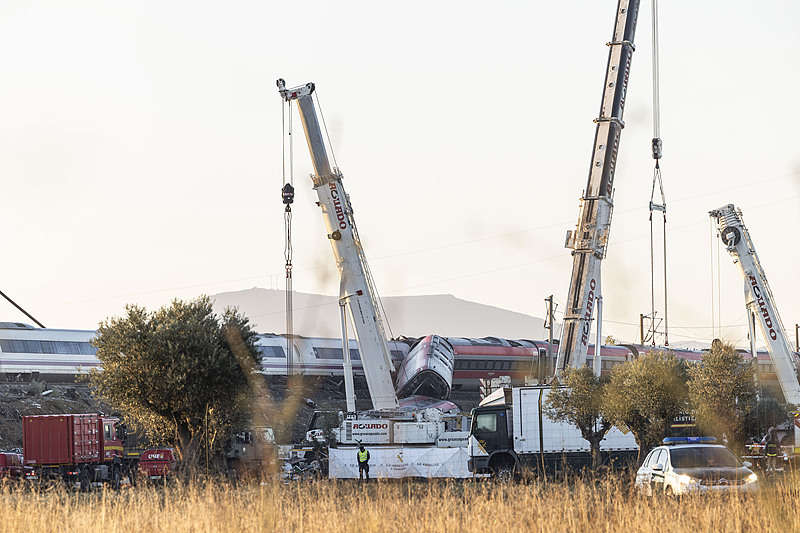
Spain Train Crash: 66 Victims Identified in Toledo Province Collision
Spanish authorities confirm the identities of 66 victims in the Toledo province high-speed train collision. Read the latest updates on casualties, nationalities, and the investigation.
Trump Administration Prepares for Potential Democratic Control of Congress After Midterms
Explore how the Trump team is strategizing to bypass a Democratic Congress, utilizing executive orders and administrative power to advance its agenda despite potential investigations.
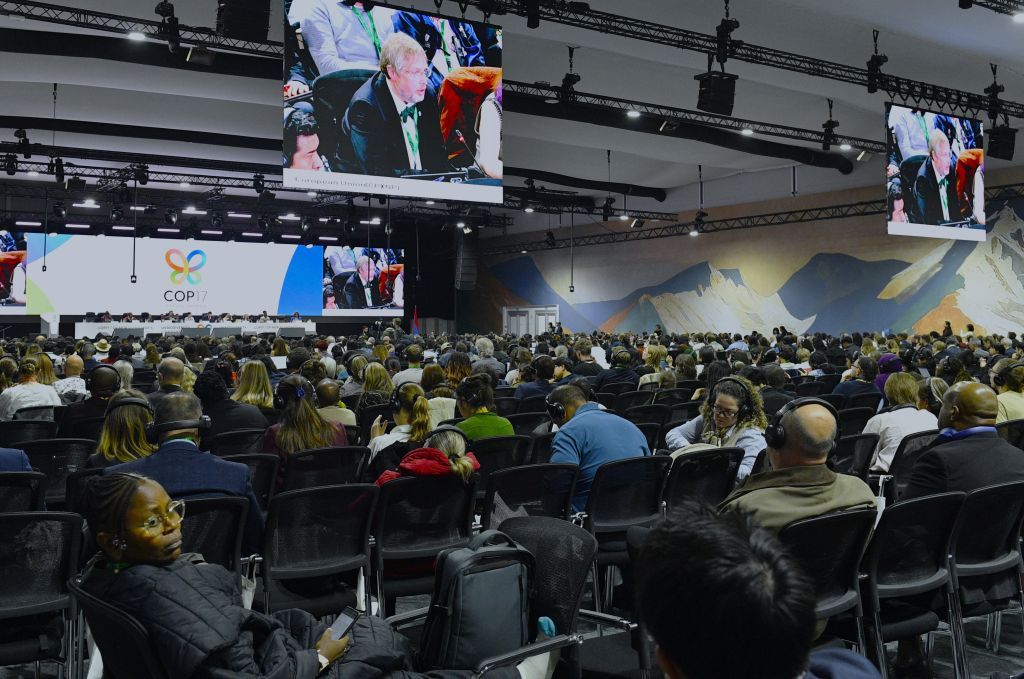
Armenia Path: Global Community Re-calibrates Biodiversity Goals
COP17 concludes with the 'Armenia Path,' a critical framework to address biodiversity gaps, despite challenges in funding and implementation.

Data Center Plans Threaten West Virginia's Wilderness and Dark Skies
A massive data center project in West Virginia raises concerns about environmental impact, light pollution, and the future of the region's pristine wilderness areas.

Norwegian Cruise Line Surges 13% on Strong Q3 Results and 2026 Guidance
Norwegian Cruise Line Holdings beats Q3 earnings expectations and raises 2026 outlook, driven by revenue growth and improved demand. CFO Mark Kempa to retire, replaced by Meghan Montana.

Rivian Surpasses Q3 Earnings Expectations with Strong R2 SUV Performance
Rivian beats Wall Street expectations in Q3 2026 with increased R2 deliveries and software revenue, narrowing losses while improving financial guidance.
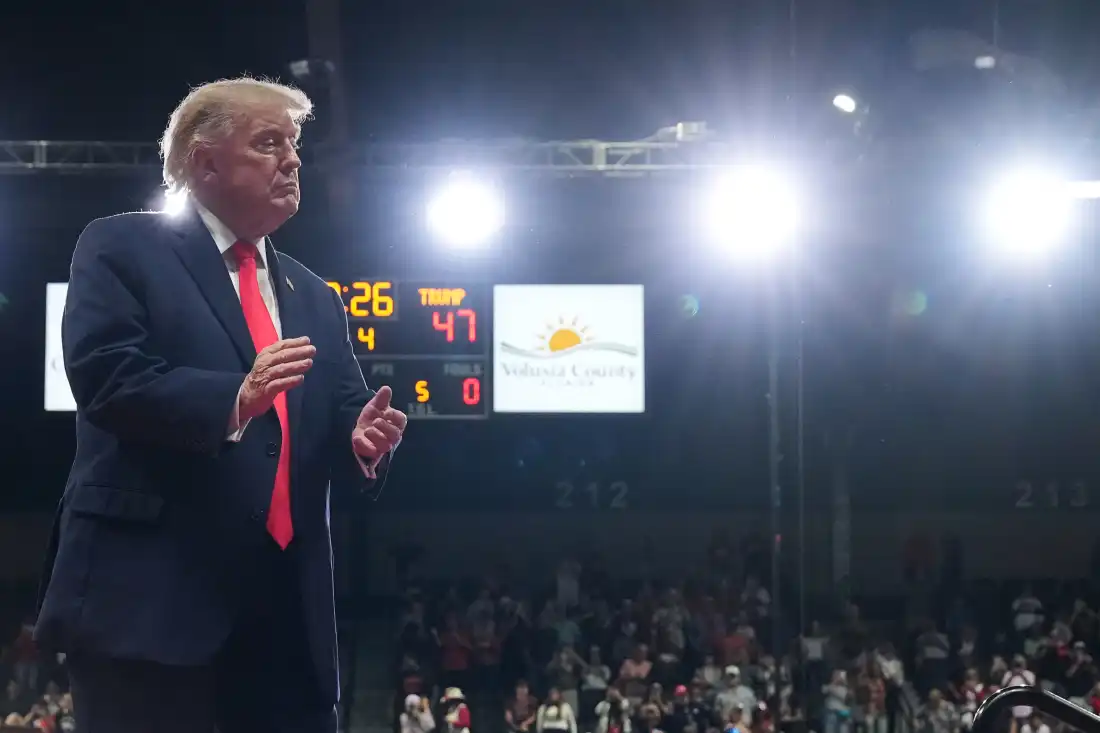
Judge Dismisses Trump's $10 Billion Lawsuit Against Wall Street Journal Over Epstein Letter
Federal judge permanently dismisses Trump's defamation case against WSJ, ruling president failed to prove actual malice in Epstein letter reporting.
Latest Articles
- Binance Security Incident: $6.3 Billion Frozen After Hack
- Deadlocked Democracy: Netanyahu's High-Stakes Calculations in Israel
- G20 Foreign Ministers' Ends Without Consensus on Geopolitical and Economic Security
- Spanish Train Crash: Viral Video is Old Footage, Not Pre-Disaster Footage
- Binance $6.3B Crypto Heist: North Korean Cyber Warfare Explained
- AI Giants Face Critical Risks: Supply Chain and Technology Obsolescence