China-Russia Military Relations Strengthen as Strategic Partnership Marks Key Anniversaries
High-level talks between Chinese and Russian defense officials signal deepening military cooperation amid evolving global security challenges.
Source: thepaper.cn
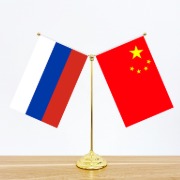
In an increasingly complex global security landscape, the meeting between China's Vice Chairman of the Central Military Commission Zhang Shengmin and Russian Defense Minister Andrei Belousov marks a significant development in international relations. As geopolitical tensions continue to reshape global dynamics, this high-level dialogue underscores the growing strategic alignment between two major world powers at a time when international stability faces unprecedented challenges.
Key Developments
- Strategic Partnership Milestones: The discussions coincided with the 30th anniversary of the China-Russia strategic partnership and the 25th anniversary of the Treaty of Good-Neighborliness and Friendly Cooperation, highlighting the depth and longevity of this relationship.
- Military Cooperation Expansion: Both sides emphasized the importance of strengthening military ties through joint exercises, training programs, and enhanced strategic communication mechanisms.
- Global Governance Role: The meeting highlighted how the China-Russia partnership contributes to maintaining global strategic stability and improving international governance structures.
- Regional Security Focus: Particular attention was given to security challenges in the Asia-Pacific region, with both nations expressing commitment to maintaining peace and stability.
- Practical Collaboration: The talks explored new areas of cooperation, including military education and technological innovation, reflecting the evolving nature of their defense partnership.
- Mutual Support Mechanisms: Both countries reaffirmed their policy of mutual support on international issues, particularly concerning matters affecting their respective national interests.
In-Depth Analysis
The meeting between Chinese and Russian defense officials occurs against a backdrop of shifting global power dynamics and increasingly complex security challenges. The deepening military cooperation between these two nations represents a significant realignment in international security architecture, potentially creating a counterbalance to Western defense alliances. This strategic partnership, built on shared interests and complementary geopolitical positions, demonstrates how major powers are adapting their defense policies to address contemporary security threats.
From an economic perspective, the military cooperation between China and Russia serves as a stabilizing factor in their broader economic relationship, particularly amid global trade disruptions and technological competition. The defense partnership facilitates technology sharing and reduces dependency on Western military hardware, aligning with both nations' strategic goals of technological self-sufficiency.
Looking ahead, this military relationship is likely to expand in scope and sophistication, potentially encompassing advanced technologies such as artificial intelligence, hypersonic weapons, and space-based systems. The evolving nature of this cooperation will undoubtedly influence global defense strategies and international security calculations for years to come.
Frequently Asked Questions
What is the historical significance of the China-Russia strategic partnership? The partnership, established 30 years ago, represents one of the most durable bilateral relationships in contemporary international relations, evolving from post-Cold War pragmatism to a comprehensive strategic alignment addressing global challenges.
How does this military cooperation affect global security dynamics? The deepening defense ties between China and Russia create a significant counterweight to traditional Western security alliances, potentially reshaping regional power balances and influencing global defense postures and arms control negotiations.
What areas show the most promise for future military collaboration? Emerging fields like artificial intelligence applications in defense, hypersonic technology development, and space-based security systems represent the most promising areas for future cooperation, reflecting both nations' technological ambitions and security concerns.
Source: https://www.thepaper.cn/newsDetail_forward_34396288
Related posts

Bridging the Digital Divide: China's Vision for an Inclusive Internet Future
Explore how China advocates for an 'Internet of People' to prevent AI from deepening global inequality.

Trump's Election Eve Speech: Infrastructure, Inflation, and the 'Renovation Report'
Trump's pre-election speech focused on infrastructure projects instead of inflation, causing frustration among GOP strategists and voters.

Europe Supermarket Freezer Attack: Cyber Attack Raises Temps to 50°C
A second wave of cyber attacks hits European supermarkets, raising freezer temperatures to 50°C and threatening food supply chains across eight nations.

Merck's Keytruda Qlex Drives Q3 2026 Beat: How Pharma Giants Are Future-Proofing Blockbusters
Merck reports strong Q3 2026 earnings, beating estimates with Keytruda Qlex sales. Discover how the pharma giant is navigating patent cliffs and securing growth.
Middle East Peace: Wang Yi's Diplomatic Push for Dialogue in Iran Talks
Wang Yi meets Iranian deputy secretary to discuss regional stability, emphasizing dialogue over conflict and China's role in the Global South.

Belgian Prime Minister Resigns After Budget Talks Collapse Amid EU Pressures
Belgium faces political crisis as Prime Minister De Wever resigns following failed budget negotiations, with King Philip delaying decision amid EU fiscal requirements and NATO defense spending demands.

Cruise Lines Battle Fuel Costs: Hedging vs. Efficiency Strategies
How Royal Caribbean, Carnival, and Norwegian navigate rising oil prices with distinct financial strategies.

California's Billionaire Tax: Economic Revolution or Financial Disaster?
As California votes on America's first billionaire wealth tax, economists clash over whether it will raise billions or drive the wealthy out of state.
Latest Articles
- Spain Train Crash: 66 Victims Identified in Toledo Province Collision
- Trump Administration Prepares for Potential Democratic Control of Congress After Midterms
- Armenia Path: Global Community Re-calibrates Biodiversity Goals
- Data Center Plans Threaten West Virginia's Wilderness and Dark Skies
- Norwegian Cruise Line Surges 13% on Strong Q3 Results and 2026 Guidance
- Rivian Surpasses Q3 Earnings Expectations with Strong R2 SUV Performance