Netanyahu Era: End or Continuation in Israeli Politics?
Analysis of Israel's recent election results and the future of Benjamin Netanyahu's political legacy amid shifting power dynamics.
Source: thepaper.cn
The recent Israeli parliamentary elections have presented a pivotal moment in the nation's political landscape, with results that could either mark the end or continuation of Benjamin Netanyahu's era. As the dust settles on this closely watched contest, Israel finds itself at a crossroads, with no clear majority emerging and the potential for significant political realignment. The implications extend far beyond domestic politics, potentially reshaping Israel's approach to security, foreign relations, and internal governance in the coming years.
Key Developments
- Right-wing Coalition Loss: Netanyahu's right-wing governing coalition secured 53 seats, a significant drop of 11 from the previous election, losing its majority advantage. This decline reflects growing public dissatisfaction with the government's handling of security challenges and economic pressures during prolonged conflicts.
- Opposition Gains: The opposition bloc led by former IDF Chief of Staff Gadi Eisenkot gained 48 seats, a modest increase of 2, but still fell short of the 61-seat threshold required to form a government. This near-parity underscores the deep political polarization within Israeli society.
- Arab Parties' Historic Rise: Arab-majority parties made unprecedented gains, increasing their seats from 10 to 19, becoming an influential minority bloc in parliament. This surge represents both increased political engagement among Arab citizens and a demographic shift that cannot be ignored in coalition negotiations.
- Coalition Formation Challenges: With no single bloc achieving a majority, and both major factions facing difficulties incorporating Arab parties into their coalitions, government formation appears increasingly complex. The opposition's refusal to cooperate with Arab parties, combined with fundamental disagreements on military service with ultra-Orthodox parties, creates significant obstacles.
- Netanyahu's Personal Challenges: The Prime Minister faces ongoing corruption trials and the aftermath of military conflicts, factors that have undoubtedly influenced public perception and contributed to his coalition's diminished support.
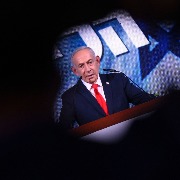
In-depth Analysis
The election results reveal not just a temporary political shift but a fundamental transformation in Israel's political dynamics. Netanyahu's nearly 19 years in power—spanning multiple terms since 1996—have profoundly reshaped Israel's political identity and its approach to security and foreign policy. His ideological framework, blending revisionist Zionism, Hobbesian realism, and free-market economics, has dominated Israeli politics for nearly three decades.
The rise of Arab parties to 19 seats represents a demographic reality that cannot be ignored, creating both opportunities and challenges for potential coalition governments. This development stands in stark contrast to the 2018 Nation-State Law that defined Israel as the nation-state of the Jewish people, highlighting an increasingly complex national identity question.
Regardless of who ultimately forms the next government, Israel's rightward conservative trajectory appears unlikely to reverse. The security-first approach and hawkish foreign policy that characterized Netanyahu's tenure will likely continue, even if he personally steps down. In this sense, the 'Netanyahu era' may transcend the individual, becoming a defining political paradigm that shapes Israel's future direction.
The judicial reforms championed by Netanyahu, which sparked massive protests, and the tensions between religious and secular Israelis over military service obligations remain unresolved fault lines that will continue to challenge any future government. These issues reflect deeper societal divisions that transcend political alliances and will require nuanced approaches to governance.
Looking ahead, Israel faces the complex task of balancing security imperatives with democratic values, while navigating an increasingly volatile Middle East. The next government, whoever leads it, will need to address these fundamental questions while managing relations with both traditional allies and emerging regional powers.
Frequently Asked Questions
What does the election result mean for Netanyahu's political future? While Netanyahu's coalition lost its majority, his political future remains uncertain. He still holds significant influence within the right-wing bloc and could potentially form a minority government or lead a coalition with ultra-Orthodox parties, though this would be a fragile arrangement that could collapse quickly.
How will the increased Arab parliamentary representation affect Israeli politics? The Arab parties' historic gain to 19 seats makes them a potential kingmaker in coalition negotiations. However, both major political blocs face challenges in incorporating them due to ideological differences and public opinion, creating a complex dynamic that could lead to prolonged coalition negotiations or new elections.
What are the implications for Israel's foreign policy, particularly regarding the Palestinian issue? Regardless of which government forms, Israel's rejection of the two-state solution and its hardline approach to security matters are likely to continue. The election results suggest no significant shift toward compromise on Palestinian statehood, with both major blocs maintaining positions that prioritize Israeli security concerns over territorial concessions.
Source: https://www.thepaper.cn/newsDetail_forward_34394060
Related posts
Binance $6.3 Billion Cyber Heist: Job Interview Ruse Exposed
How North Korean hackers orchestrated the world's largest crypto theft through a sophisticated job interview scam targeting a Binance engineer.
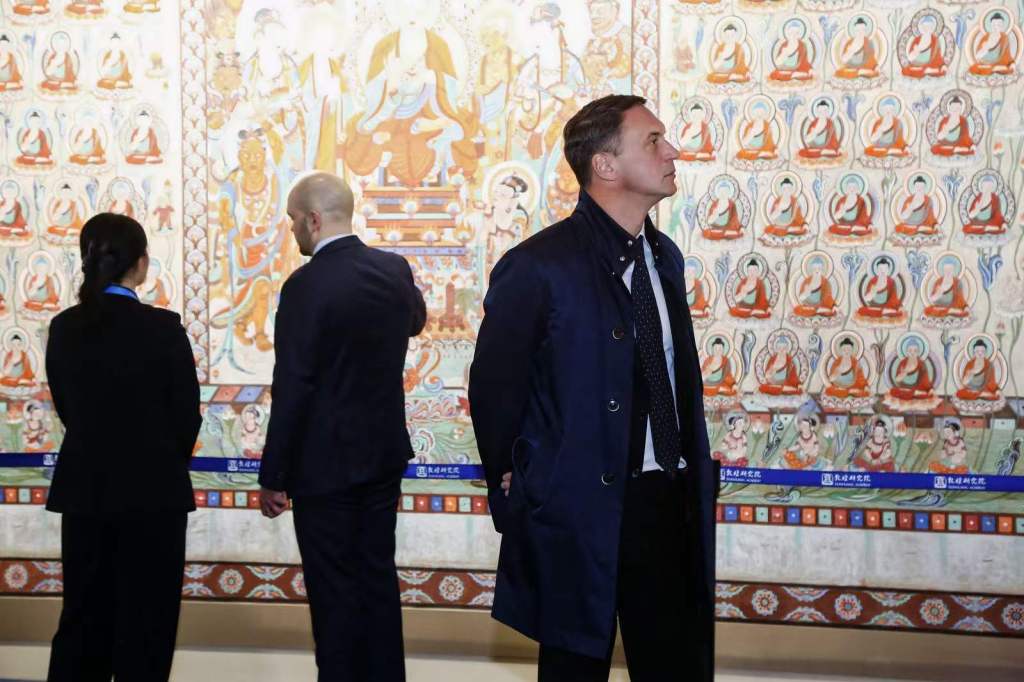
Mogao Grottoes 45: Digital Access at Dunhuang Cultural Expo
Missed Mogao Grottoes Cave 45? Experience the immersive VR tour at the 9th Dunhuang International Cultural Expo, featuring 3D recreations of ancient masterpieces.

JetBlue Increases Bag Fees Third Time in Year Amid Rising Fuel Costs
JetBlue Airways has raised checked bag fees for the third time in less than a year as fuel costs continue to impact airline industry profits.
Middle East Peace: Wang Yi's Diplomatic Push for Dialogue in Iran Talks
Wang Yi meets Iranian deputy secretary to discuss regional stability, emphasizing dialogue over conflict and China's role in the Global South.
Merck's Keytruda Qlex Drives Q3 2026 Beat: How Pharma Giants Are Future-Proofing Blockbusters
Merck reports strong Q3 2026 earnings, beating estimates with Keytruda Qlex sales. Discover how the pharma giant is navigating patent cliffs and securing growth.
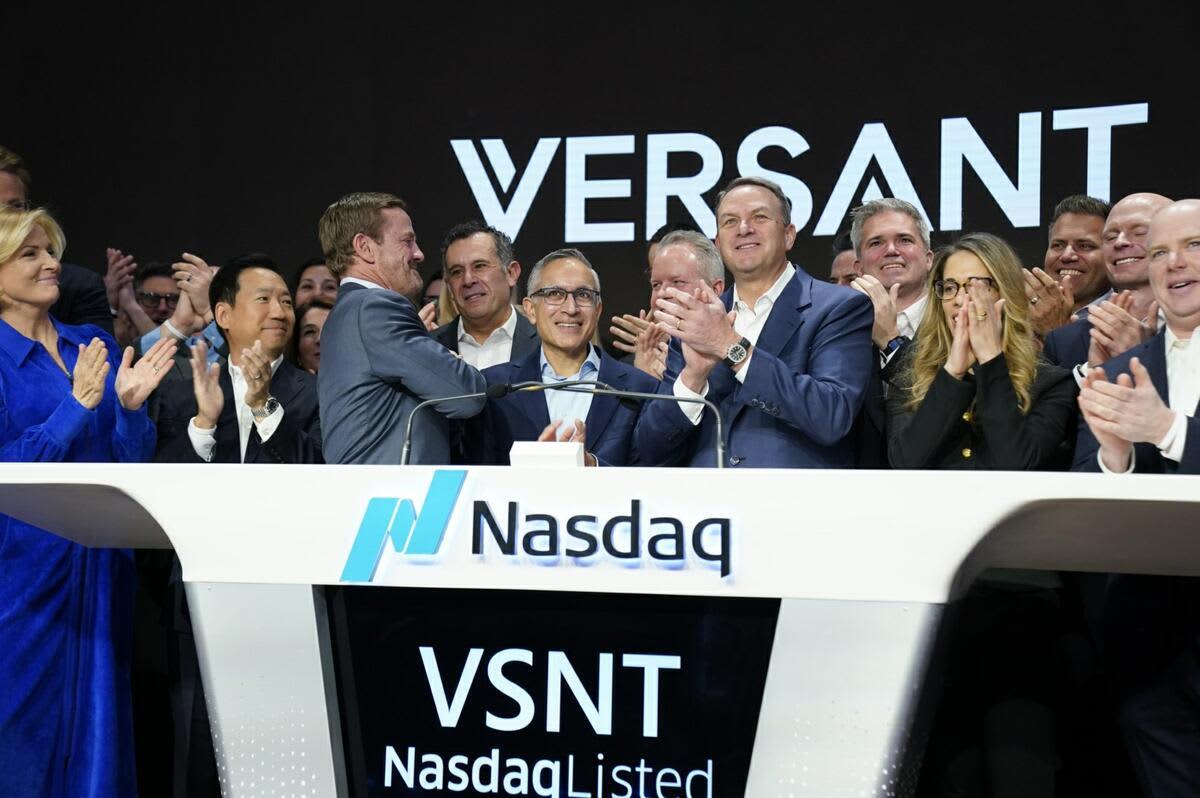
Versant Media Q3 2026 Earnings Beat: Digital Growth & Cable Resilience
Versant Media beats analyst expectations with strong digital platform growth and reaffirmed guidance. CNBC and Fandango drive revenue, despite slight linear TV decline.
Bridging the Digital Divide: China's Vision for an Inclusive Internet Future
Explore how China advocates for an 'Internet of People' to prevent AI from deepening global inequality.

China-Russia Military Relations Strengthen as Strategic Partnership Marks Key Anniversaries
High-level talks between Chinese and Russian defense officials signal deepening military cooperation amid evolving global security challenges.
Latest Articles
- Trump's Election Eve Speech: Infrastructure, Inflation, and the 'Renovation Report'
- Europe Supermarket Freezer Attack: Cyber Attack Raises Temps to 50°C
- Belgian Prime Minister Resigns After Budget Talks Collapse Amid EU Pressures
- Cruise Lines Battle Fuel Costs: Hedging vs. Efficiency Strategies
- California's Billionaire Tax: Economic Revolution or Financial Disaster?
- Spain Train Crash: 66 Victims Identified in Toledo Province Collision