Mogao Grottoes 45: Digital Access at Dunhuang Cultural Expo
Missed Mogao Grottoes Cave 45? Experience the immersive VR tour at the 9th Dunhuang International Cultural Expo, featuring 3D recreations of ancient masterpieces.
Source: thepaper.cn
The allure of the Mogao Grottoes is undeniable, but the reality of visiting these ancient sites can be frustrating. The most sought-after cave, No. 45, is often closed for conservation, leaving many travelers disappointed. However, a solution exists at the 9th Silk Road (Dunhuang) International Cultural Expo. Through cutting-edge VR technology, visitors can now step inside this legendary chamber, overcoming the limitations of physical access and conservation schedules. This digital re-creation offers a unique opportunity to explore one of the finest examples of Tang Dynasty art.
Key Highlights
- Immersive VR Experience: The Expo features a "Seeking Dunhuang" VR project that allows visitors to explore the interiors of Mogao Grottoes Caves 285, 45, and 217 in high fidelity.
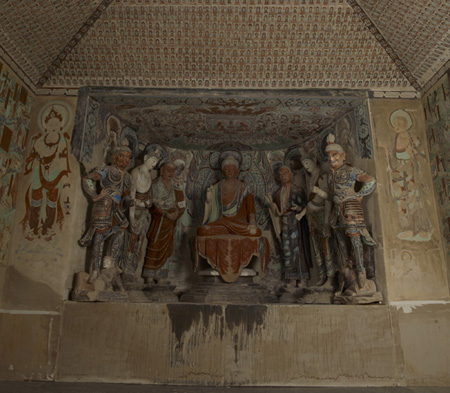
- Recreation of Cave 45: This specific exhibit digitally reconstructs Cave 45, a "must-see" site along the Mogao special route, which is frequently closed to the public.
- Historical Context: Cave 45 dates back to the High Tang Dynasty and houses seven exquisite彩塑, including the main Buddha, disciples, and celestial beings.
- Interactive Viewing: The VR experience includes an elevated viewing angle, simulating the traditional kneeling posture of worshippers to enhance the sense of scale and reverence.
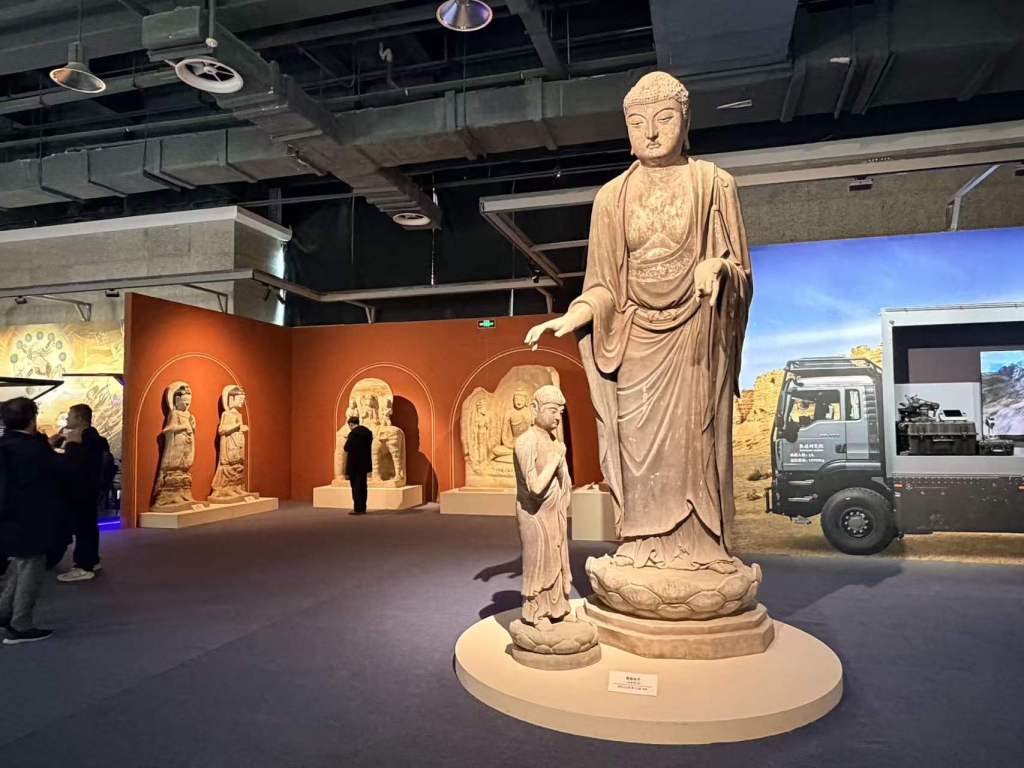
- Global Digital Collaboration: The Dunhuang Research Academy has partnered with institutions in the UK, Germany, and Russia to digitally share over 1,100 artifacts, expanding the "Digital Caves of Dunhuang" database.
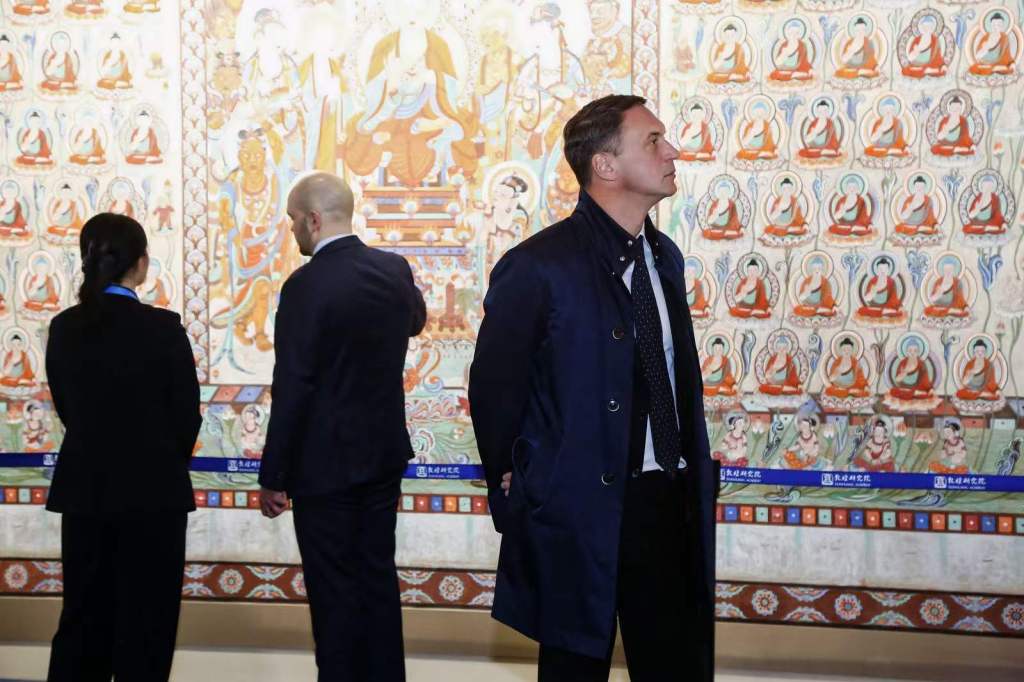
- Revival of Folk Art: The Expo also showcases traditional Chinese art forms, such as face sculpting (Mian Su), which recreates the famous "Nine-Color Deer" mural from Cave 257 using dough.
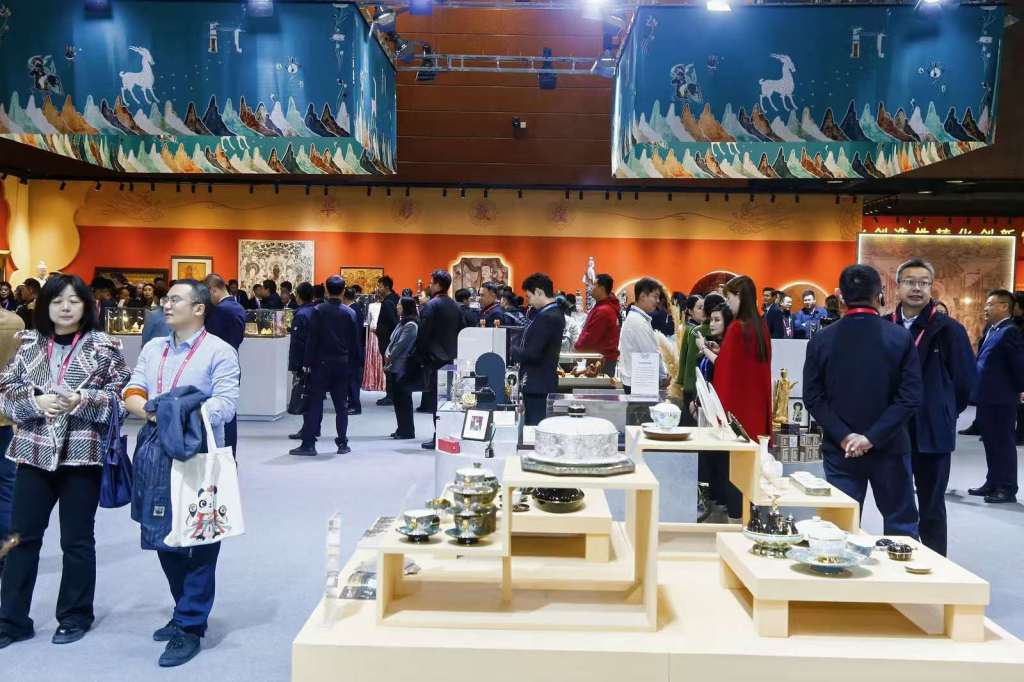
- Comprehensive Cultural Exchange: The event serves as a major platform for international dialogue, featuring over 1,200 attendees from 58 countries and regions.
In-Depth Analysis
The integration of VR technology at the Dunhuang International Cultural Expo marks a significant evolution in how cultural heritage is preserved and consumed. For decades, the protection of fragile sites like the Mogao Grottoes has necessitated strict limitations on visitor numbers and access to specific caves. While this is essential for the site's longevity, it creates a barrier between the public and its most treasured artifacts. The Expo's VR initiative bridges this gap, offering a sustainable alternative that democratizes access to cultural history. It allows global audiences to experience the aesthetic grandeur of the High Tang Dynasty without contributing to physical wear and tear.
This digital approach is not merely a technological gimmick; it is a critical component of the Dunhuang Research Academy's strategy to establish a global standard for cultural heritage management. By partnering with international bodies like the Bavarian State Library and the British Library, the Academy is creating a "digital Silk Road." This initiative not only preserves artifacts that may be at risk due to environmental factors or geopolitical instability but also facilitates unprecedented academic collaboration. The ability to virtually reconstruct and study these sites in high detail opens new avenues for art history and conservation science, proving that digital preservation can be as rigorous and valuable as physical restoration.
Furthermore, the inclusion of traditional crafts like face sculpting in the expo highlights the living legacy of Dunhuang. It demonstrates that the influence of these ancient caves extends beyond the stone walls, inspiring contemporary artisans to reinterpret classical narratives through modern mediums. This fusion of ancient art and modern technology, combined with traditional folk arts, creates a holistic cultural ecosystem that is both educational and commercially viable. The event successfully positions Dunhuang not just as a relic of the past, but as a vibrant, living center of cultural exchange and innovation.
Frequently Asked Questions
Q: Why is Cave 45 so famous? A: Cave 45 is renowned for its exceptional collection of彩塑 from the High Tang Dynasty. The figures are celebrated for their realistic proportions, intricate details, and the emotional depth of their expressions, representing the pinnacle of Chinese Buddhist sculpture.
Q: Can VR completely replace visiting the actual grottoes? A: While the VR experience at the expo is incredibly detailed and immersive, it cannot fully replicate the atmosphere and atmosphere of the actual site. The physical journey and the presence of other visitors add a layer of experience that digital media cannot capture, but VR is an excellent way to prepare for a visit or to see sites that are permanently closed.
Q: What is the "Digital Caves of Dunhuang"? A: This is a massive initiative by the Dunhuang Research Academy to digitize the Mogao Grottoes and other sites. It involves creating 3D models, high-resolution images, and VR experiences to preserve the art digitally and make it accessible to the world for research and education.
Source: https://www.thepaper.cn/newsDetail_forward_34398428
Related posts

Netanyahu Era: End or Continuation in Israeli Politics?
Analysis of Israel's recent election results and the future of Benjamin Netanyahu's political legacy amid shifting power dynamics.

Binance $6.3 Billion Cyber Heist: Job Interview Ruse Exposed
How North Korean hackers orchestrated the world's largest crypto theft through a sophisticated job interview scam targeting a Binance engineer.

JetBlue Increases Bag Fees Third Time in Year Amid Rising Fuel Costs
JetBlue Airways has raised checked bag fees for the third time in less than a year as fuel costs continue to impact airline industry profits.
Middle East Peace: Wang Yi's Diplomatic Push for Dialogue in Iran Talks
Wang Yi meets Iranian deputy secretary to discuss regional stability, emphasizing dialogue over conflict and China's role in the Global South.

Merck's Keytruda Qlex Drives Q3 2026 Beat: How Pharma Giants Are Future-Proofing Blockbusters
Merck reports strong Q3 2026 earnings, beating estimates with Keytruda Qlex sales. Discover how the pharma giant is navigating patent cliffs and securing growth.

Versant Media Q3 2026 Earnings Beat: Digital Growth & Cable Resilience
Versant Media beats analyst expectations with strong digital platform growth and reaffirmed guidance. CNBC and Fandango drive revenue, despite slight linear TV decline.

Bridging the Digital Divide: China's Vision for an Inclusive Internet Future
Explore how China advocates for an 'Internet of People' to prevent AI from deepening global inequality.

China-Russia Military Relations Strengthen as Strategic Partnership Marks Key Anniversaries
High-level talks between Chinese and Russian defense officials signal deepening military cooperation amid evolving global security challenges.
Latest Articles
- Trump's Election Eve Speech: Infrastructure, Inflation, and the 'Renovation Report'
- Europe Supermarket Freezer Attack: Cyber Attack Raises Temps to 50°C
- Belgian Prime Minister Resigns After Budget Talks Collapse Amid EU Pressures
- Cruise Lines Battle Fuel Costs: Hedging vs. Efficiency Strategies
- California's Billionaire Tax: Economic Revolution or Financial Disaster?
- Spain Train Crash: 66 Victims Identified in Toledo Province Collision