China Signs Landmark Agreement to Establish UNDP Global Sustainable Development Center in Shanghai
China and UNDP sign agreements to set up a new global hub in Shanghai, marking a historic shift in international development cooperation.
Source: thepaper.cn
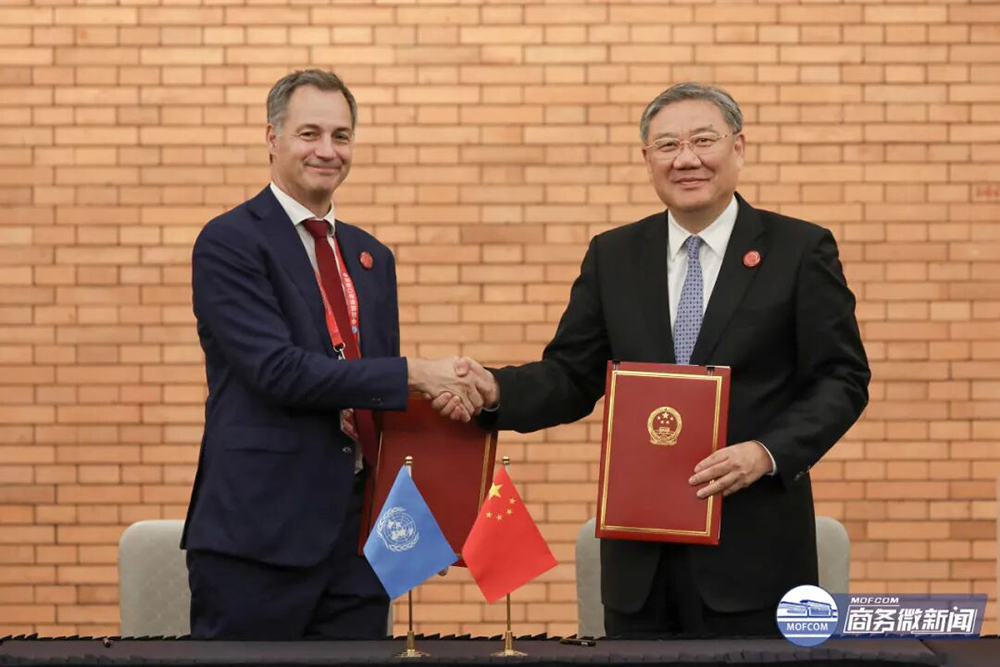
In a significant move for global diplomacy and sustainable development, China has formalized a strategic partnership with the United Nations Development Programme (UNDP) to establish a dedicated global center in Shanghai. The agreement, signed on November 4, 2026, by Chinese Commerce Minister Wang Wentao and UNDP Administrator Achim Steiner, marks a pivotal moment in the execution of the Global Development Initiative (GDI). This center will serve as a critical platform for advancing the 2030 Agenda for Sustainable Development, acting as a bridge between Asian economic dynamism and global governance frameworks.
Key Highlights of the Agreement
- Dual Legal Framework: The agreement consists of two distinct documents: the Host Country Agreement regarding the establishment of the center and the Agreement on the Operation of the center. These legal instruments were signed in Shanghai and are set to take effect immediately, paving the way for rapid implementation.
- Historic Milestone: This initiative represents the first time in the UNDP's 60-year history that a global sustainable development center is being established outside of Europe and the Americas. The choice of Shanghai as the host city underscores China's growing role as a central hub for international cooperation.
- Strategic Location: Situated in Shanghai, the center will leverage the city's status as a global financial and logistical hub. This geographic advantage allows for closer collaboration with Asian markets and facilitates easier access to resources for developing nations.
- Focus on Implementation: The center is designed not just as a symbolic venue but as an active operational entity. It aims to translate high-level policy commitments into tangible projects, particularly focusing on the Global Development Initiative and Global Governance Initiative.
- International Public Good: The Shanghai center is positioned as an 'international public good.' This means it will provide open access to knowledge, technology, and best practices for countries worldwide, fostering a more inclusive and equitable global development landscape.
- Accelerated Timeline: Both parties have committed to expediting the preparatory work. The immediate signing of the legal documents signals a strong political will to get the center operational and 'open for business' as soon as possible.
- Multi-Platform Collaboration: The new facility will serve as a convergence point for various UN agendas. It will specifically focus on coordinating efforts related to the 2030 Sustainable Development Goals (SDGs), ensuring that development efforts are aligned and mutually reinforcing.
In-Depth Analysis
The establishment of the UNDP Global Sustainable Development Center in Shanghai is more than just a diplomatic formality; it is a structural shift in the architecture of international development. Historically, the majority of UN specialized agencies and development hubs have been concentrated in Western capitals. By locating this new center in Shanghai, the initiative reflects a deliberate diversification of the global development ecosystem. This move challenges the traditional dominance of Western-centric narratives and offers a platform that integrates the perspectives and experiences of the Global South more prominently.
From an economic perspective, this center acts as a catalyst for the Global Development Initiative (GDI). The GDI, championed by China, seeks to address the widening gap between developed and developing nations. By anchoring this initiative in Shanghai, China is effectively creating a physical manifestation of its commitment to this cause. The center will likely become a magnet for foreign direct investment (FDI) in the green and sustainable sectors, as international organizations and corporations look to establish a presence in a region that is rapidly transitioning toward a low-carbon economy.
Furthermore, this development has profound geopolitical implications. It signals a deepening of the strategic partnership between China and the UNDP. As the world becomes increasingly multipolar, such centers of excellence are essential for maintaining the relevance and efficacy of multilateral institutions. The center will likely become a forum for negotiating complex issues such as climate finance, digital infrastructure, and sustainable urbanization. By hosting these critical dialogues in Shanghai, the center ensures that the voices of emerging economies are heard on the global stage, fostering a more balanced approach to global governance.
Looking ahead, the success of the Shanghai center will depend on its ability to deliver concrete results. It must avoid becoming a mere talking shop. Instead, it needs to demonstrate tangible outcomes, such as successful pilot projects, capacity-building programs for developing countries, and the dissemination of innovative technologies. If it achieves this, it could set a new standard for international cooperation, demonstrating that development is a shared responsibility that transcends borders and political ideologies.
Frequently Asked Questions
Q: Why is the UNDP choosing Shanghai for its new global center?
A: Shanghai is selected for its robust economic infrastructure, its status as a global financial hub, and its strategic location in Asia. It offers a unique environment where high-level policy discussions can be closely linked with practical implementation and market opportunities.
Q: How does this center contribute to the 2030 Agenda?
A: The center serves as a dedicated operational platform to accelerate the implementation of the 2030 Agenda. It will facilitate knowledge sharing, resource mobilization, and technical assistance specifically tailored to the needs of developing countries.
Q: Who can benefit from the programs offered by the Shanghai center?
A: The center is designed to be an international public good, meaning its programs and resources will be accessible to all UN member states, particularly developing countries, as well as to international organizations and the private sector.
Source: https://www.thepaper.cn/newsDetail_forward_34411144
Related posts
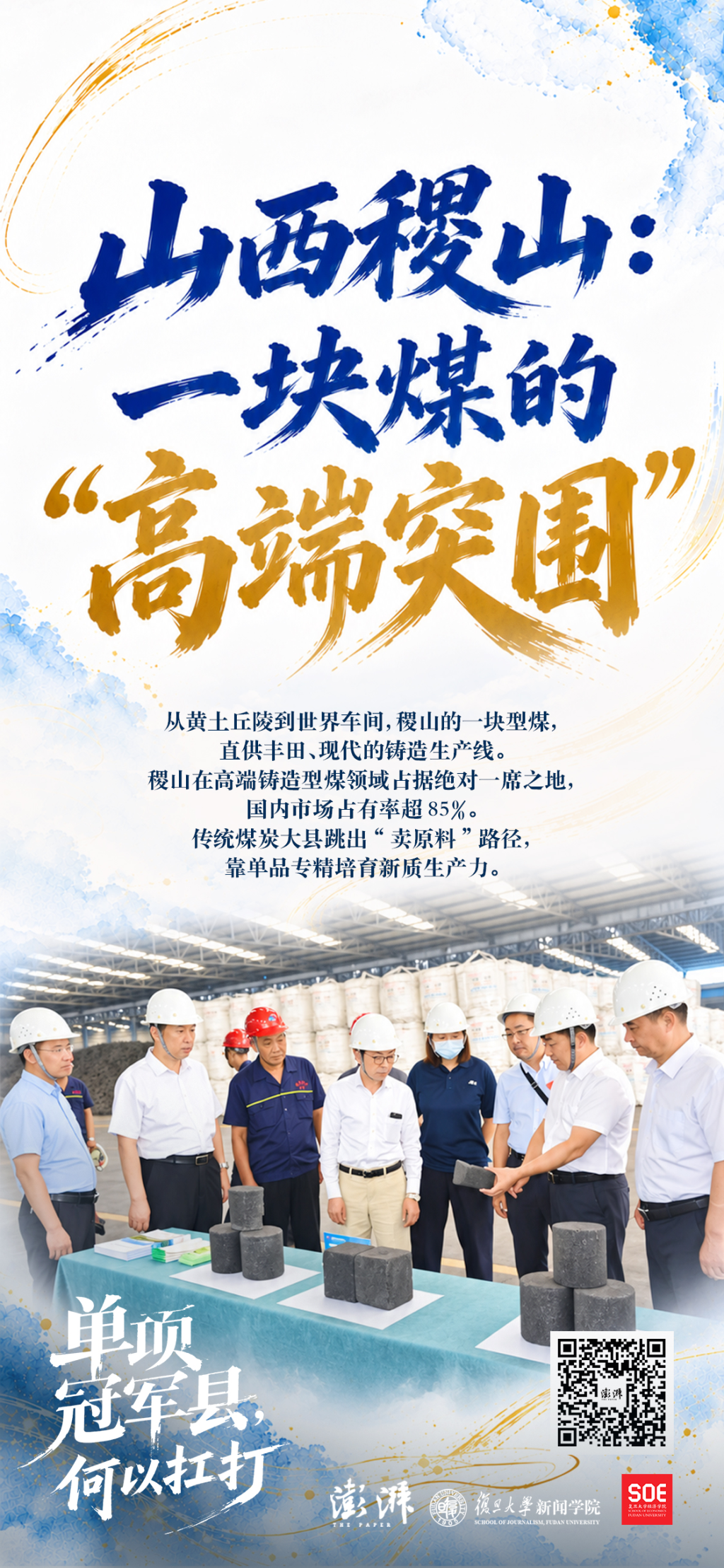
Jishan County: How a Coal Town Achieved High-End Breakthrough
Discover how Jishan County transformed from a traditional coal-based economy into a specialized manufacturing hub through innovation and quality focus.

E.l.f. Beauty Reports 51% Sales Surge, Boosts Full-Year Outlook
E.l.f. Beauty exceeds expectations with 51% sales increase in Q2, raises full-year guidance as TikTok momentum drives growth.

Mogao Grottoes 45: Digital Access at Dunhuang Cultural Expo
Missed Mogao Grottoes Cave 45? Experience the immersive VR tour at the 9th Dunhuang International Cultural Expo, featuring 3D recreations of ancient masterpieces.
Binance $6.3 Billion Cyber Heist: Job Interview Ruse Exposed
How North Korean hackers orchestrated the world's largest crypto theft through a sophisticated job interview scam targeting a Binance engineer.
Trump Blames Fox News for Midterm Losses as Ratings Plummet
Donald Trump attacks Fox News over GOP midterm defeats, citing a 27% drop in viewership and media bias. An analysis of the shifting media landscape.
CVS Health to Split into Two Companies in Major Healthcare Restructuring
CVS Health announces plans to separate its retail pharmacy business from insurance operations by mid-2028, reversing its 2018 Aetna acquisition in one of healthcare's largest corporate splits.
Netanyahu Era: End or Continuation in Israeli Politics?
Analysis of Israel's recent election results and the future of Benjamin Netanyahu's political legacy amid shifting power dynamics.

Midterm Elections: Blue Wave Hits as Trump Allies Blame Iran War
Democratic gains in North Carolina and South Carolina shock observers, while Trump allies cite the ongoing Iran conflict as the primary reason for Republican setbacks.
Latest Articles
- US Business Leaders Urged to Join China's Competitive Market for Mutual Growth
- JetBlue Increases Bag Fees Third Time in Year Amid Rising Fuel Costs
- Middle East Peace: Wang Yi's Diplomatic Push for Dialogue in Iran Talks
- Merck's Keytruda Qlex Drives Q3 2026 Beat: How Pharma Giants Are Future-Proofing Blockbusters
- Versant Media Q3 2026 Earnings Beat: Digital Growth & Cable Resilience
- Bridging the Digital Divide: China's Vision for an Inclusive Internet Future