Expedia CEO: AI Agents Won't Replace Human Booking Trust Yet
Expedia CEO Ariane Gorin explains why AI travel agents haven't changed booking habits despite industry hype. Discover the future of travel tech and Expedia's strategy.
Source: CNBC
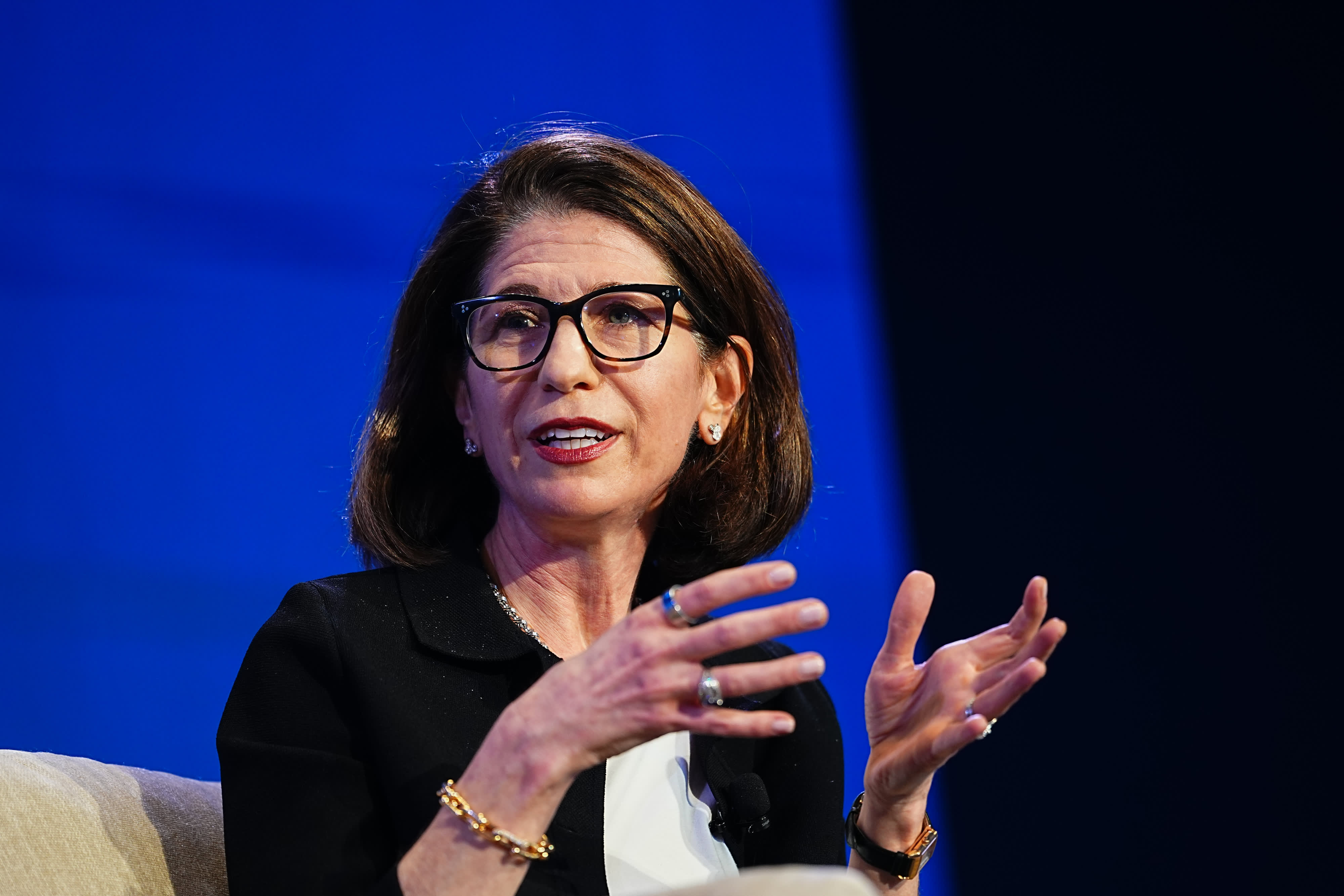
The rapid rise of artificial intelligence agents, from Meta's Muse to OpenAI's Dots, has sparked a global conversation about the future of travel planning. While these personal AI assistants promise to revolutionize everything from daily scheduling to complex trip logistics, one of the industry's giants remains skeptical about an immediate disruption. Expedia CEO Ariane Gorin recently clarified that despite the hype, the fundamental way customers book travel has not yet shifted. This stance highlights a critical tension between technological innovation and consumer behavior in the hospitality sector.
Key Takeaways
- No Immediate Shift in Habits: Despite the mainstream entry of personal AI agents, Expedia has not observed a change in how customers actually complete their travel bookings.
- AI as a Planning Tool: The company views AI agents primarily as effective tools for inspiration and initial trip planning, rather than direct booking platforms.
- Strategic Integration: Expedia is actively working with all major AI agents to ensure its inventory is surfaced in search results and understands how these agents gather information.
- The 'Human Touch' Remains Critical: The CEO argues that while AI can shop for deals, the complexity of travel requires human intervention for customer service, problem-solving, and guaranteeing accuracy.
- Market Volatility: Expedia shares were down 12% recently, attributed to weaker-than-expected Q4 guidance and external factors like geopolitical events.
- Strong Q3 Performance: The company reported solid growth in the third quarter, with total gross bookings rising 11% and revenue climbing 12%.
- Competitive Landscape: As AI agents become more capable, they pose a competitive threat to traditional OTA (Online Travel Agency) models, though the path to full adoption is complex.
In-Depth Analysis
The travel industry is currently at a crossroads, balancing the allure of automation with the irreplaceable nature of human trust. Gorin's comments suggest that while AI agents are excellent at the 'shopping' phase—comparing prices and options across multiple platforms—they struggle with the 'booking' phase, which demands a high degree of confidence and security. The travel sector is unique because it involves high-value, high-stakes transactions where errors can be costly and stressful. Consumers, especially when dealing with foreign destinations or complex itineraries, still rely on the assurance that a human will be available to resolve issues instantly.
This dynamic creates a significant barrier to entry for AI-only booking systems. While an AI can theoretically book a flight, the user experience of troubleshooting a cancellation or a hotel mix-up with a chatbot is vastly different from speaking to a live agent. Expedia’s strategy appears to be defensive yet proactive: they are integrating with AI agents to capture the 'inspiration' phase of the funnel, thereby ensuring they remain visible even as the search method changes. However, the company acknowledges a long-term risk where agents might develop their own proprietary booking engines, potentially siphoning market share if the industry shift occurs.
Furthermore, the recent stock market reaction to Expedia's guidance serves as a reminder that technological shifts are not the only drivers of market performance. Geopolitical instability and macroeconomic factors continue to weigh heavily on consumer spending. Despite the optimism surrounding AI, the company's focus remains on stabilizing revenue and maintaining its position as a trusted intermediary in a fragmented digital landscape. The coming years will likely see a hybrid model emerge, where AI handles the heavy lifting of data processing while human experts handle the critical finalization and support.
Frequently Asked Questions
Can AI agents completely replace travel booking sites like Expedia?
While AI agents can handle the research and comparison phase effectively, they currently lack the infrastructure to fully replace traditional booking sites. The complexity of travel logistics, including dynamic pricing, cancellations, and customer support, requires a level of reliability and human intervention that AI agents have not yet mastered.
Why is customer service considered a barrier for AI booking agents?
Travel often involves unforeseen issues such as flight delays or hotel overbookings. Users need immediate, empathetic, and effective problem-solving, which AI chatbots often struggle to provide compared to human agents who can navigate complex situations and offer reassurance.
What is Expedia doing to prepare for the AI agent trend?
Expedia is actively integrating with major AI agents to ensure its inventory is accessible. They are focusing on understanding how agents retrieve information and ensuring their platform has the necessary APIs and data structures to be easily 'read' by these new technologies.
Source: https://www.cnbc.com/2026/11/05/expedia-ai-agents-booking-habits.html
Related posts

Holiday Shopping Trends: Physical Gifts Trump Travel Despite Consumer Wishes
Visa survey reveals consumers desire travel experiences but prioritize physical gifts due to economic pressures and rising costs.
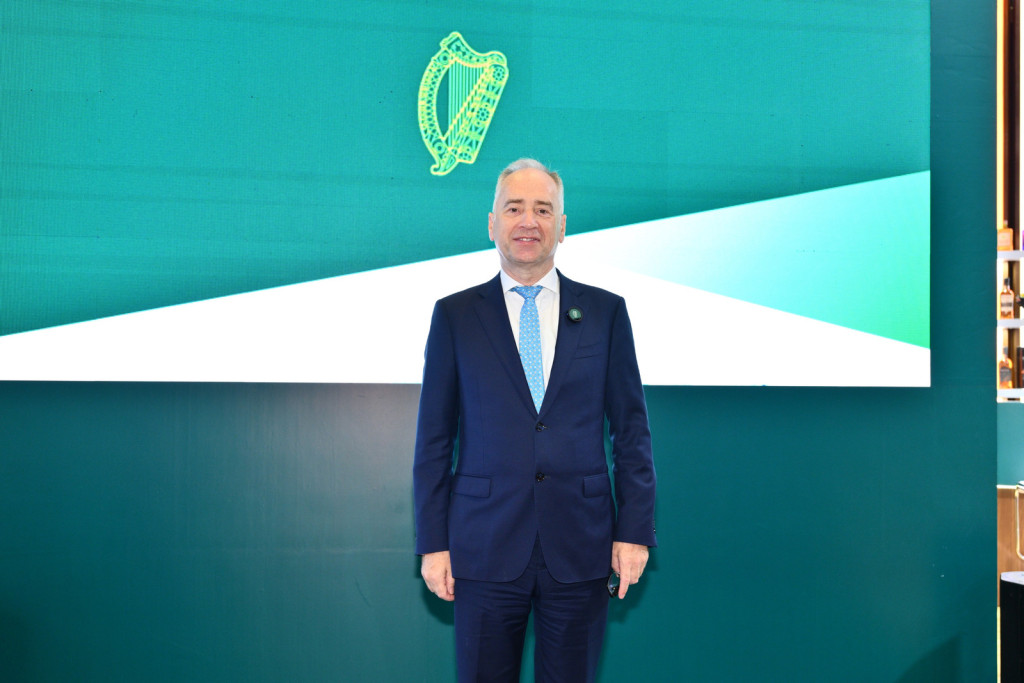
Ireland's Ambassador: CIIE Bridges Human Connections in a Divided World
How Ireland's top diplomat views the China International Import Expo as a vital platform for dialogue and trade amid global tensions.

Jishan County: How a Coal Town Achieved High-End Breakthrough
Discover how Jishan County transformed from a traditional coal-based economy into a specialized manufacturing hub through innovation and quality focus.

China Signs Landmark Agreement to Establish UNDP Global Sustainable Development Center in Shanghai
China and UNDP sign agreements to set up a new global hub in Shanghai, marking a historic shift in international development cooperation.

E.l.f. Beauty Reports 51% Sales Surge, Boosts Full-Year Outlook
E.l.f. Beauty exceeds expectations with 51% sales increase in Q2, raises full-year guidance as TikTok momentum drives growth.

Mogao Grottoes 45: Digital Access at Dunhuang Cultural Expo
Missed Mogao Grottoes Cave 45? Experience the immersive VR tour at the 9th Dunhuang International Cultural Expo, featuring 3D recreations of ancient masterpieces.

Binance $6.3 Billion Cyber Heist: Job Interview Ruse Exposed
How North Korean hackers orchestrated the world's largest crypto theft through a sophisticated job interview scam targeting a Binance engineer.

Trump Blames Fox News for Midterm Losses as Ratings Plummet
Donald Trump attacks Fox News over GOP midterm defeats, citing a 27% drop in viewership and media bias. An analysis of the shifting media landscape.
Latest Articles
- CVS Health to Split into Two Companies in Major Healthcare Restructuring
- Netanyahu Era: End or Continuation in Israeli Politics?
- Midterm Elections: Blue Wave Hits as Trump Allies Blame Iran War
- US Business Leaders Urged to Join China's Competitive Market for Mutual Growth
- JetBlue Increases Bag Fees Third Time in Year Amid Rising Fuel Costs
- Middle East Peace: Wang Yi's Diplomatic Push for Dialogue in Iran Talks