Tesla to Discontinue Cybertruck Production in Texas for Robotaxi Focus
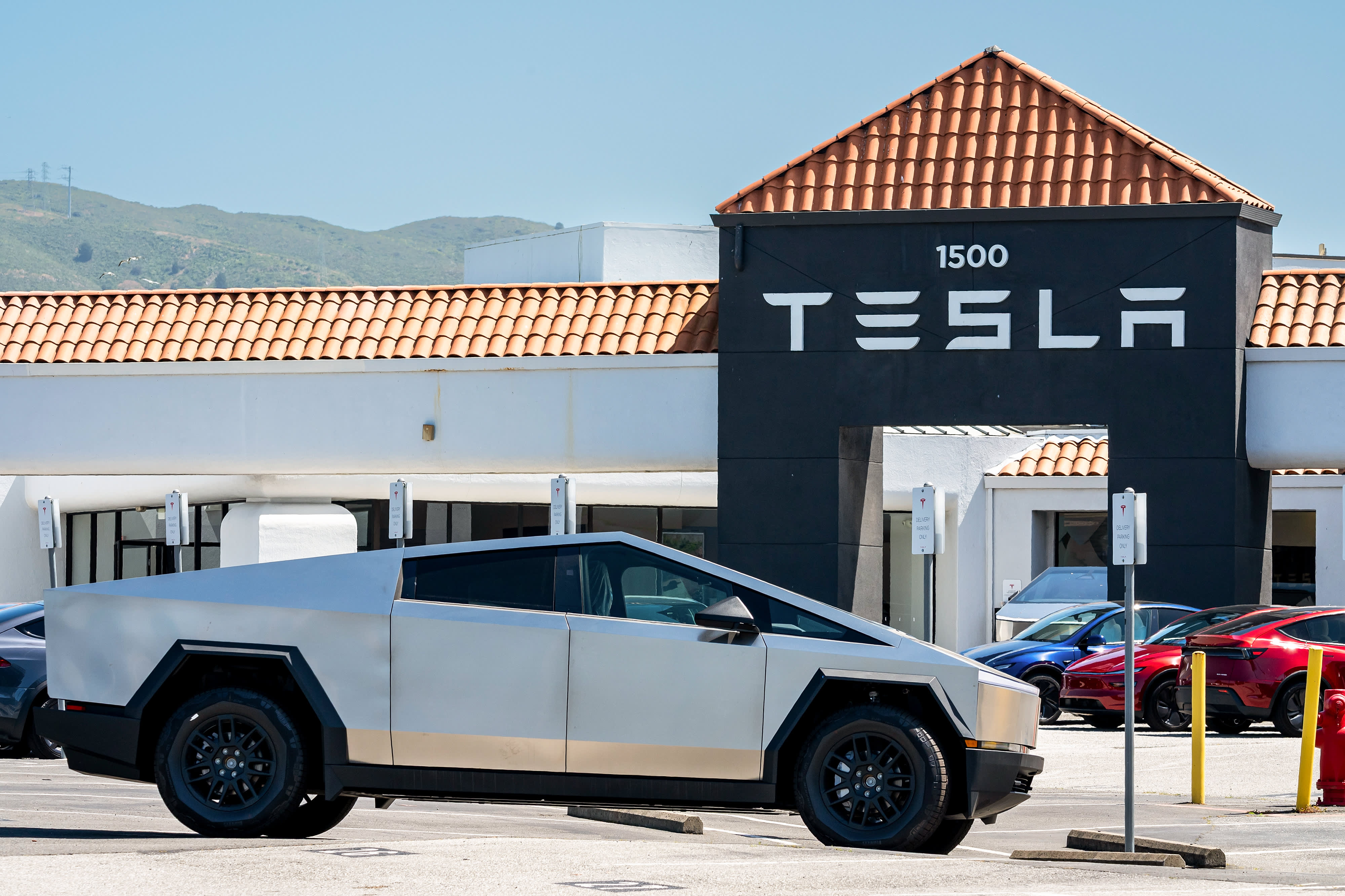
Tesla plans to wind down Cybertruck production at its Texas gigafactory next year to make way for the Cybercab robotaxi, according to Elon Musk.
Source: CNBC
Tesla is shifting its production priorities at its Texas facility, with CEO Elon Musk announcing that the company will be winding down Cybertruck production around the middle of next year. This strategic move will free up capacity for the highly anticipated Cybercab robotaxi, which Musk has positioned as a crucial product for Tesla's future growth. The Cybertruck, which has been exclusively produced at the Texas gigafactory alongside the Model Y, will make way for this new autonomous vehicle initiative that could potentially revolutionize urban transportation.
Key Points
- Production Timeline: Tesla will cease Cybertruck production at its Texas facility around mid-2027, according to Musk's announcement on X (formerly Twitter).
- Cybertruck Legacy: Despite being hailed as the future of pickup trucks when unveiled in 2019, the Cybertruck failed to achieve mass-market success, with sales significantly below Musk's initial predictions of 250,000 units annually.
- Sales Performance: Cox Automotive estimated Cybertruck sales at 20,237 units in the U.S. last year, down 48% from 38,965 in 2024, indicating declining market interest.
- Special Customer: Interestingly, SpaceX, Musk's aerospace company, spent $131 million purchasing Cybertrucks at retail price, becoming one of its largest customers.
- Design Challenges: The vehicle's polarizing design made some owners targets of road rage incidents, with Wired magazine noting its association with political polarization in the U.S.
- Quality Issues: The 2024 Cybertruck faced 11 voluntary recalls, ranging from acceleration pedal risks to software defects and inverter faults that could cause sudden power loss.
- Future Direction: Musk confirmed that while production is ending, existing Cybertruck vehicles will remain on roads for "a long time," suggesting continued service and support.
- Facility Repurposing: The Texas gigafactory will be repurposed to focus on Cybercab production, though Musk hasn't specified if Cybertruck production will move to another facility.
In-Depth Analysis
Tesla's decision to phase out Cybertruck production represents a significant strategic pivot for the company. The move comes as Tesla faces increasing competition in the electric vehicle market and seeks to differentiate itself through autonomous technology. The Cybercab robotaxi, which has been touted as a revolutionary product, could potentially generate new revenue streams and establish Tesla as a leader in autonomous transportation.
The Cybertruck's failure to meet sales expectations highlights the challenges Tesla has faced in expanding its product beyond its initial success with premium sedans. Despite its innovative design and polarizing aesthetic, the vehicle struggled with quality issues, production delays, and ultimately failed to resonate with mainstream consumers as Musk had predicted.
This shift also reflects Tesla's evolving business priorities as it moves toward more automated and potentially higher-margin transportation solutions. The company's focus on robotaxis aligns with broader industry trends toward autonomous mobility services, which could represent the next major growth frontier for automotive companies.
The decision to repurpose the Texas facility for Cybercab production rather than shifting Cybertruck manufacturing elsewhere suggests that Tesla sees greater strategic value in accelerating its autonomous vehicle program than in continuing to refine its pickup truck offering. This move could position Tesla to capitalize on the emerging robotaxi market while competitors are still developing their autonomous technologies.
Looking ahead, Tesla's success with the Cybercab will be critical in determining whether this strategic shift proves beneficial. The company will need to overcome significant technical and regulatory challenges to bring autonomous vehicles to market at scale, but the potential rewards could be substantial if they succeed.
Frequently Asked Questions
Will Tesla stop making Cybertrucks completely? While production is ending at the Texas facility, Tesla hasn't confirmed whether Cybertruck manufacturing will continue at other locations. However, Musk has indicated that existing Cybertruck vehicles will remain on roads for "a long time," suggesting the model won't disappear entirely.
Why is Tesla shifting focus to robotaxis? Tesla appears to be betting on autonomous technology as its next major growth area. Robotaxis represent a potentially higher-margin business model than vehicle sales and could establish Tesla as a leader in the emerging autonomous mobility market.
What challenges does the Cybercab face? The Cybercab will need to overcome significant technical hurdles in autonomous driving technology, navigate complex regulatory environments, and address public safety concerns before it can be deployed at scale.
Source: https://www.cnbc.com/2026/11/06/tesla-cybertruck-texas-musk.html
Related posts

Trump Announces End of US Aid to Israel: Shockwaves in the Middle East
President Trump's surprise decision to halt $40 billion in annual aid to Israel has caused political instability. Here's what's happening and why it matters.

Grenada Election: Mitchell Wins Second Term, China Pledges Enhanced Cooperation
China congratulates Grenada Prime Minister Mitchell on reelection, emphasizing strengthened bilateral ties and mutual cooperation in the Caribbean region.

China Appoints New Ambassadors: Diplomatic Shifts in Europe, Pacific, and Nordic Regions
President Xi Jinping's recent diplomatic reshuffle involves key ambassadorial changes across Europe, the Pacific, and Nordic nations. Explore the strategic implications of these appointments and the evolving landscape of Chinese foreign policy.
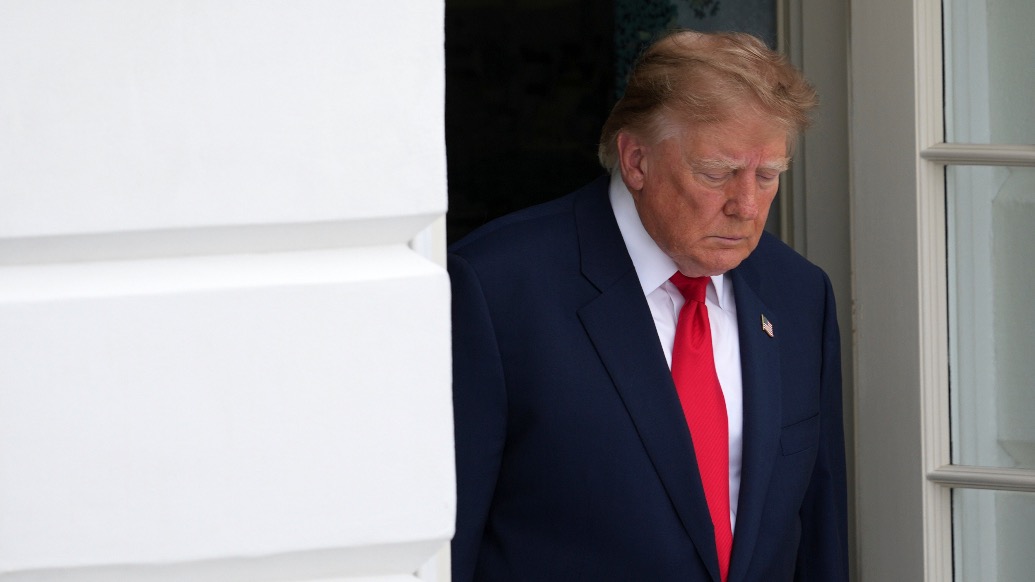
Trump Stands By Iran War Decision Despite Election Loss
Analysis of Trump's unapologetic stance on the Iran conflict and its impact on US politics and global markets.
Wendy's Rejects $1.4 Billion Trian Takeover Proposal
Wendy's has formally rejected a $1.4 billion buyout proposal led by Nelson Peltz, deeming the offer to undervalue the fast-food chain's turnaround strategy.
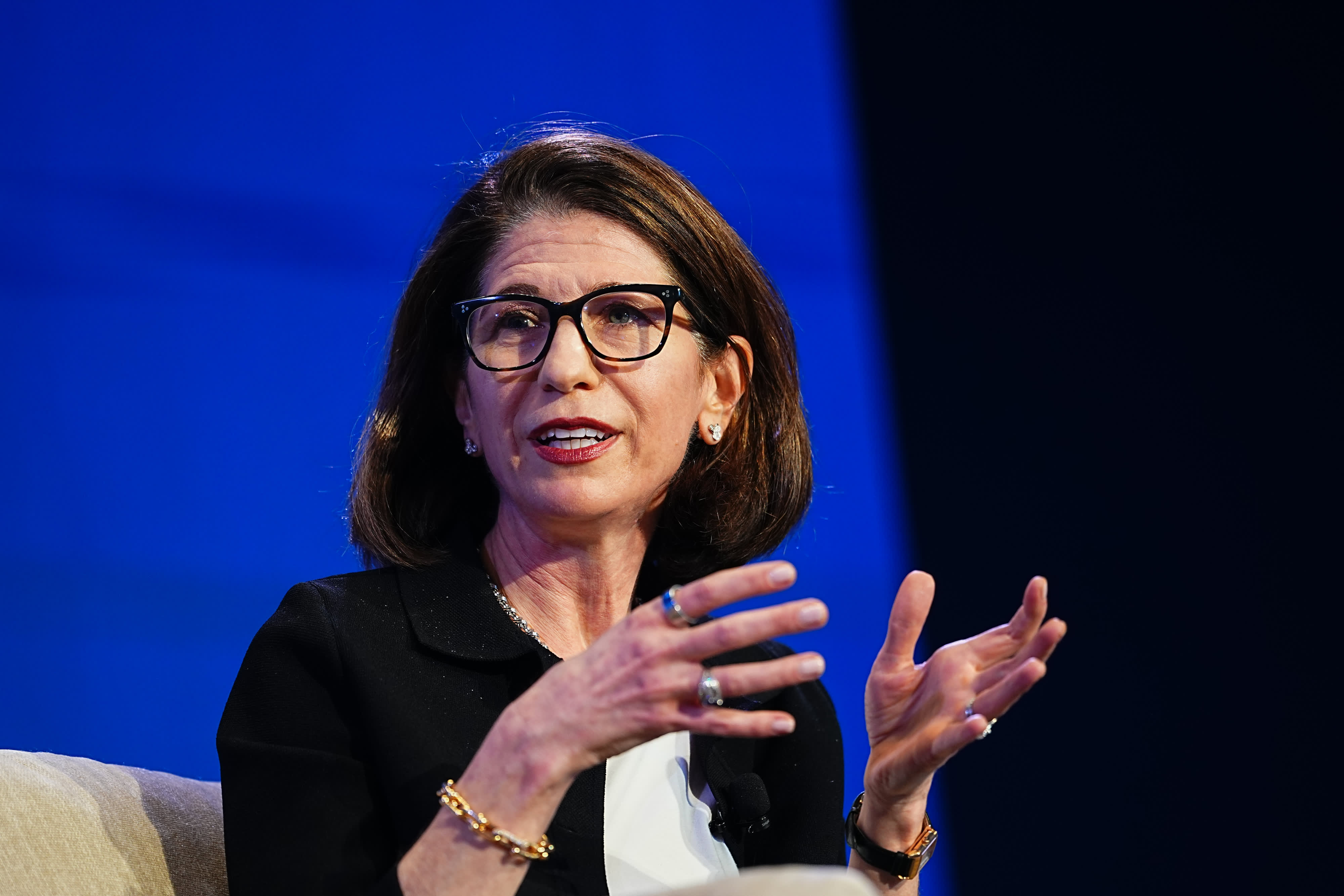
Expedia CEO: AI Agents Won't Replace Human Booking Trust Yet
Expedia CEO Ariane Gorin explains why AI travel agents haven't changed booking habits despite industry hype. Discover the future of travel tech and Expedia's strategy.

Marc Lore's Wonder Files for IPO: A New Era for Food Delivery
Wonder confidentially files for IPO, aiming to raise funds for expansion after securing $3B+ in funding.

Holiday Shopping Trends: Physical Gifts Trump Travel Despite Consumer Wishes
Visa survey reveals consumers desire travel experiences but prioritize physical gifts due to economic pressures and rising costs.
Latest Articles
- Ireland's Ambassador: CIIE Bridges Human Connections in a Divided World
- Jishan County: How a Coal Town Achieved High-End Breakthrough
- China Signs Landmark Agreement to Establish UNDP Global Sustainable Development Center in Shanghai
- E.l.f. Beauty Reports 51% Sales Surge, Boosts Full-Year Outlook
- Mogao Grottoes 45: Digital Access at Dunhuang Cultural Expo
- Binance $6.3 Billion Cyber Heist: Job Interview Ruse Exposed